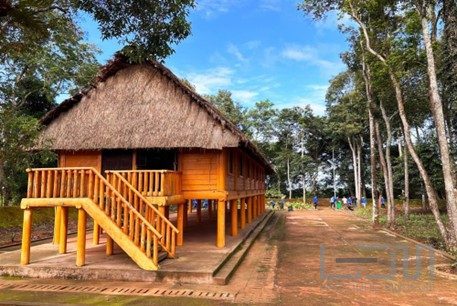
In the treasure trove of cultural heritage of Lam Dong province's ethnic groups, Cham culture contributes to the depth of diversity in history, beliefs and cultural practices of the resident community. Those values are preserved and expressed through many forms of traditional cultural activities, in which the Kate Festival holds a special position in the spiritual life of the Cham people who follow Brahmanism. Not simply a ceremonial event, the Kate Festival is also a cultural space where concepts of belief, community knowledge and social connections are recreated, transmitted and continued through many generations.
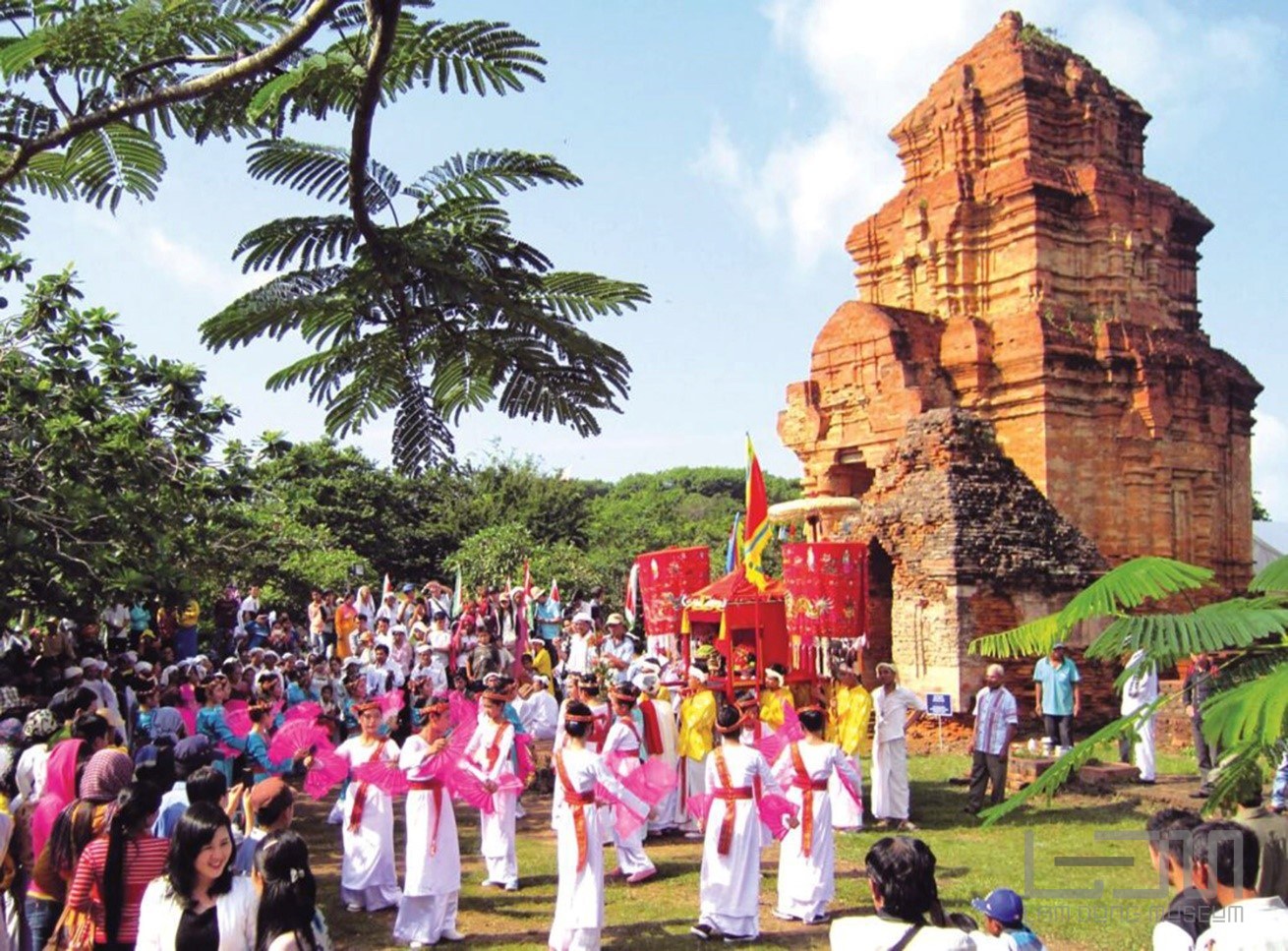
Kate is a unique traditional folk culture festival of the Cham Brahmin community in Lam Dong province, taking place annually in the 7th month of the Cham calendar (around September or October of the solar calendar). In 2022, the Kate Festival of the Cham people of the province has been included in the National Intangible Cultural Heritage List by the Ministry of Culture, Sports and Tourism with the name "Kate Festival of the Cham people of Binh Thuan province", in Decision No. 776/QD-BVHTTDL datedApril 4, 2022.
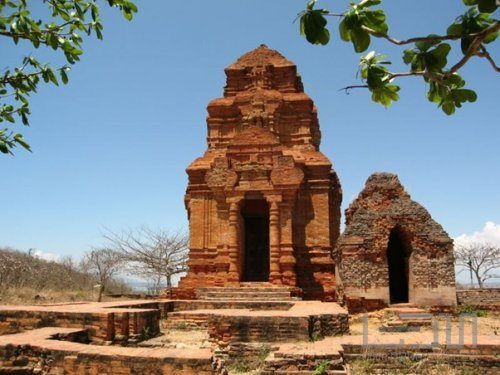
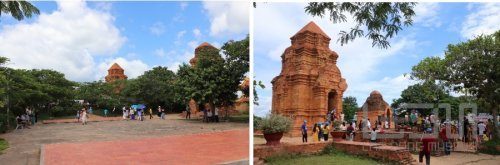
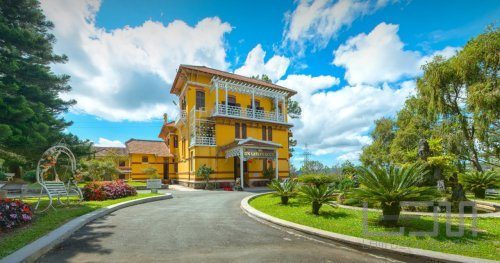
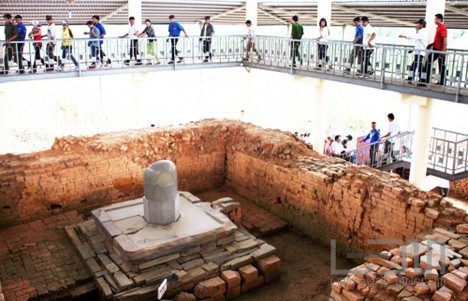
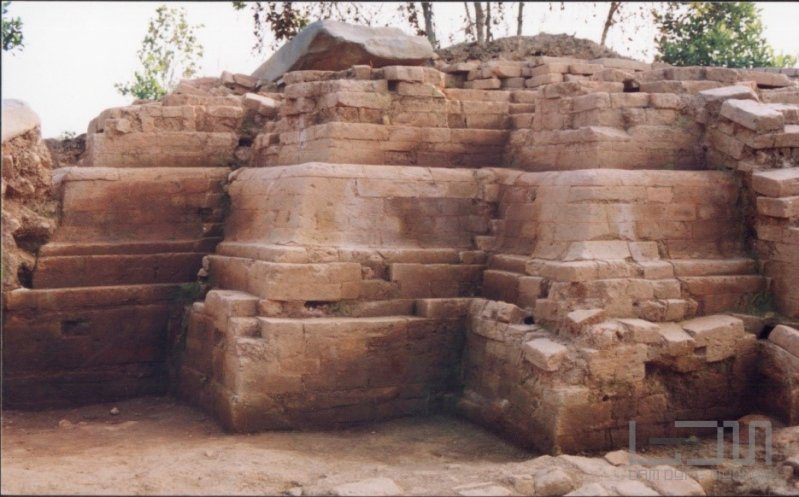
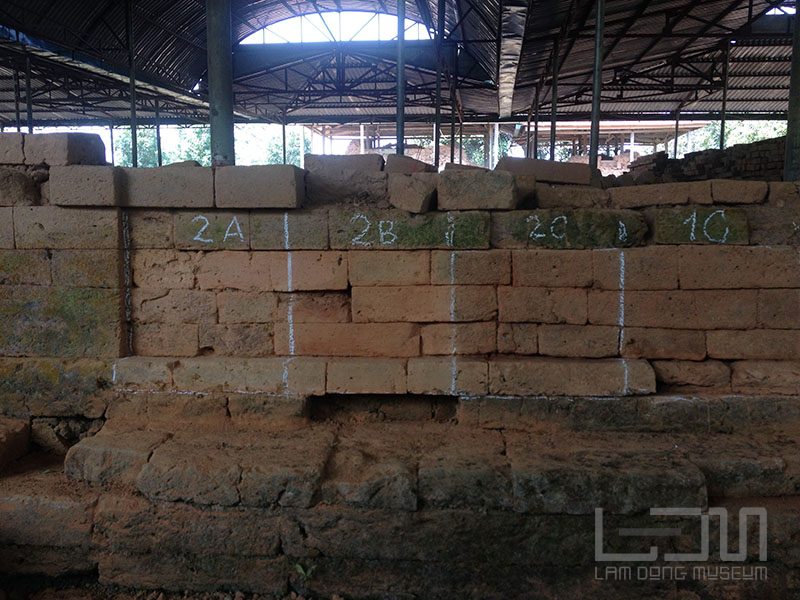
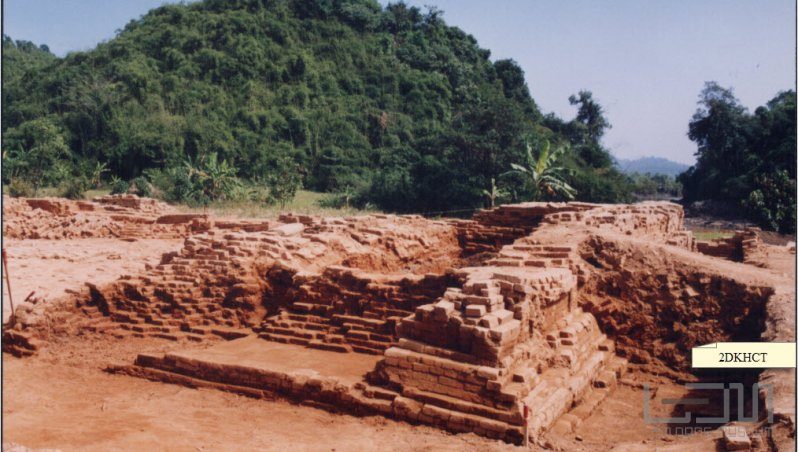
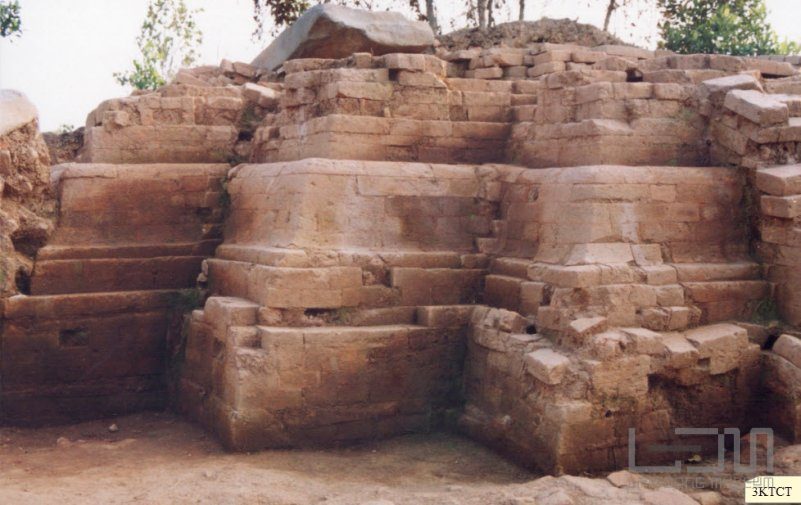
At Po Sah Inu Tower Relics (Phu Thuy ward, Lam Dong province), Kate Festival was officially restored in 2005 after about 2/3 of a century of absence. The festival gradually becomes an important cultural, religious and belief practice space of the Cham community in Lam Dong. Organizing the festival at the Po Sah Inu Relic space has created a direct connection between tangible cultural heritage and intangible cultural heritage: the tower provides a sacred space for ritual practice, while the festival allows the relic space to continue to be used, interpreted and transmitted cultural meaning by the community in current life.
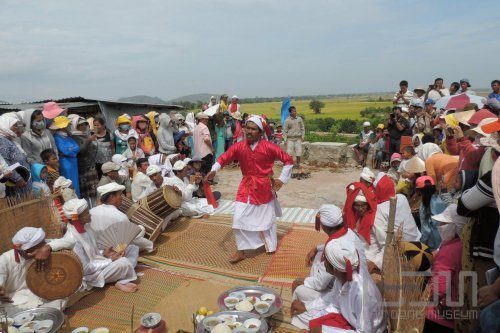
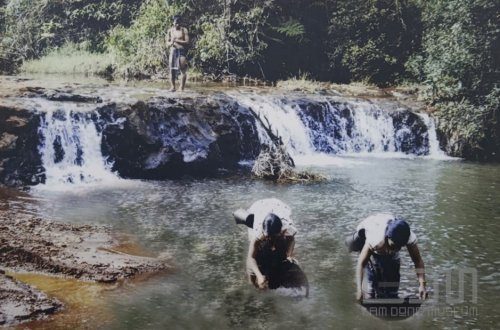
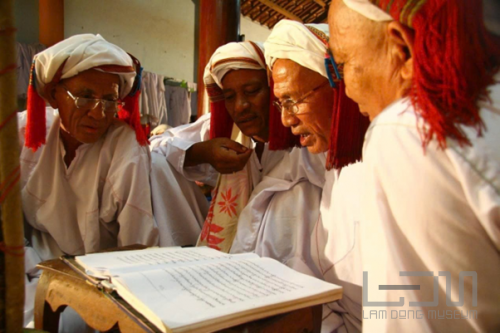
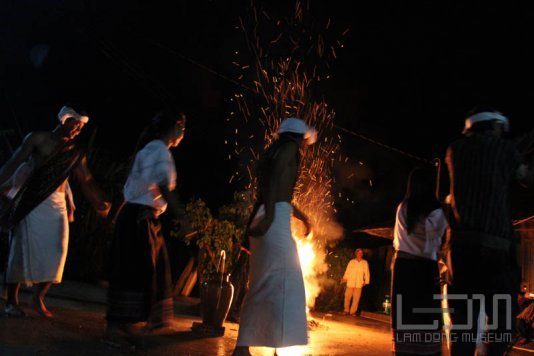
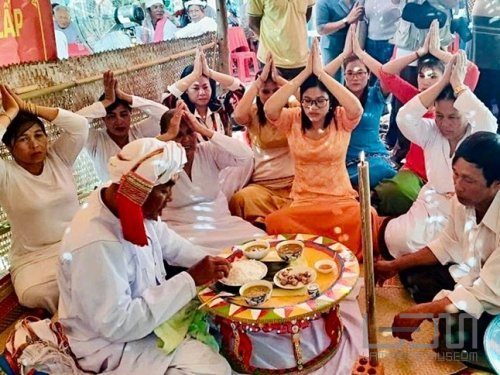
The value of conservation is first of all reflected in the ability to maintain the traditional ritual system. Rituals such as carrying the costume of the goddess Po Sah Inu, opening the tower door, bathing the Linga - Yoni altar, dressing the altar and performing rituals to worship Kate do not exist as separate operations, but form a regular sequence of practices, remembered and performed by the community according to certain religious regulations and customs. This ritual system helps maintain the invisible link between past and presentnow, educating the young generation about roots and profound humanistic ethics.
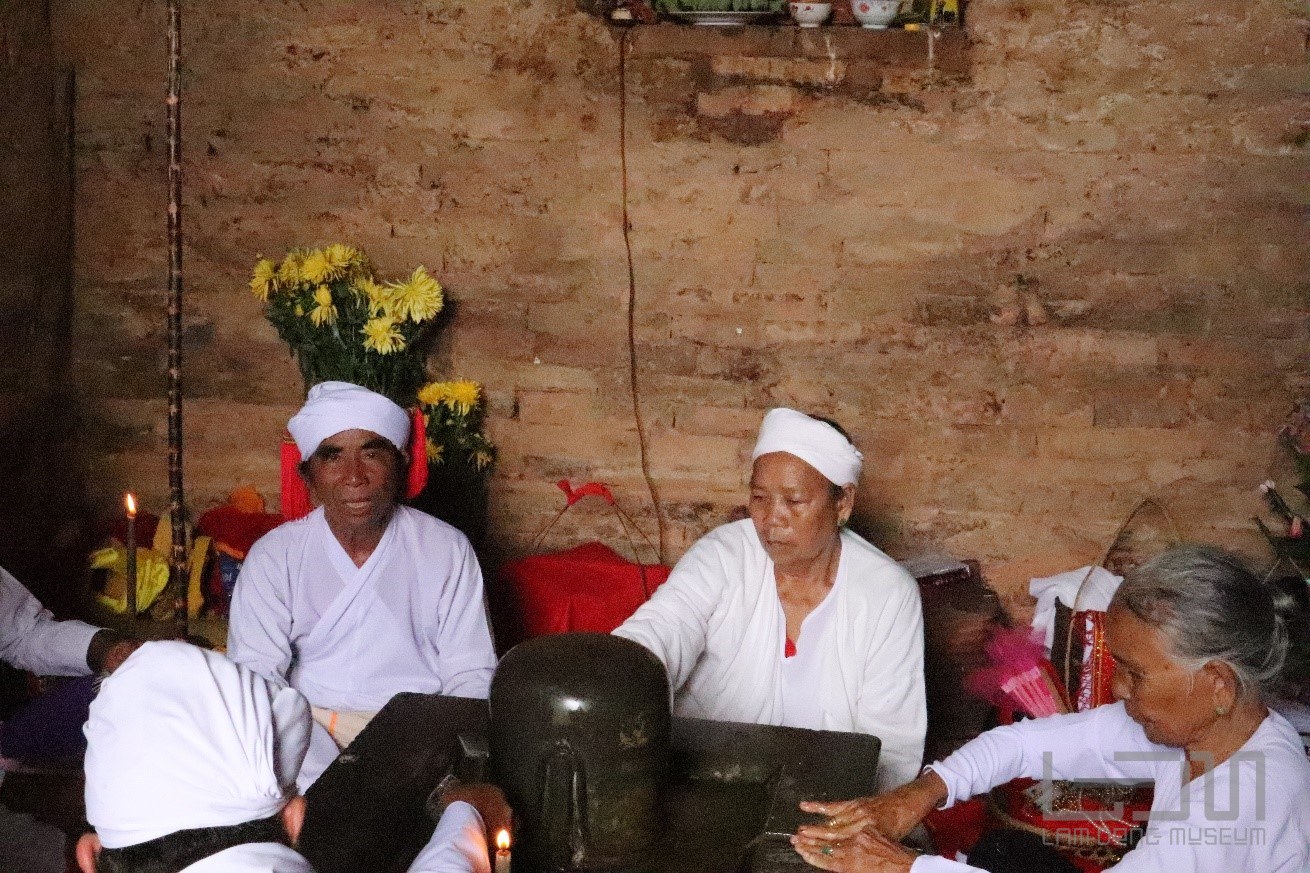
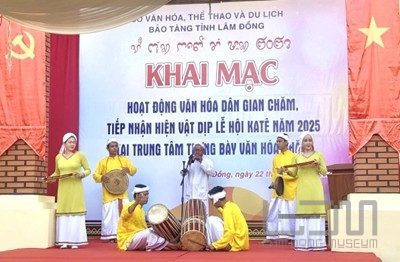
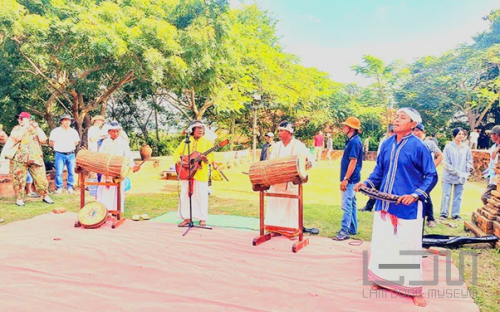
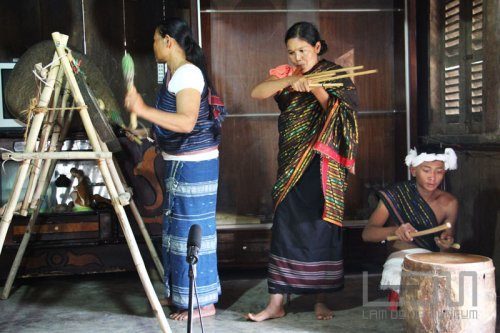
Kate Festival serves as a perfect "natural performance environment" to preserve a series of other intangible heritages. Thanks to the festival space at the ancient Po Sah Inu tower, traditional music with a trio of musical instruments: Paranung drum (symbol of earth), Ghinang drum (symbol of heaven) and Saranai trumpet (symbol of people) truly creates an enchanting musical space.
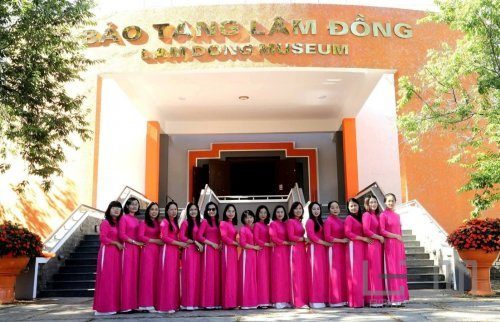
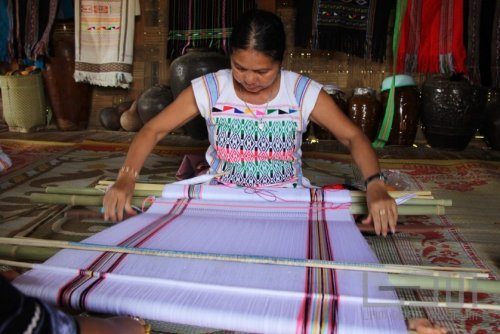
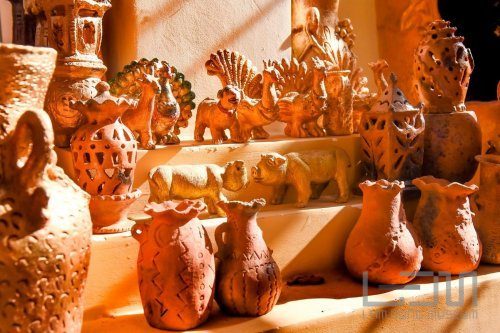
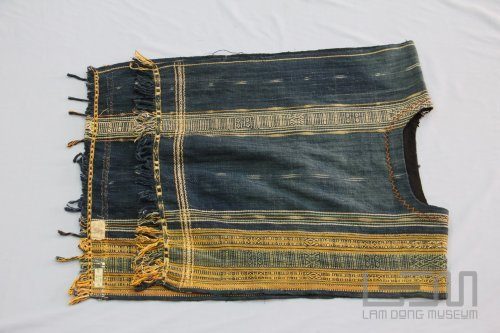
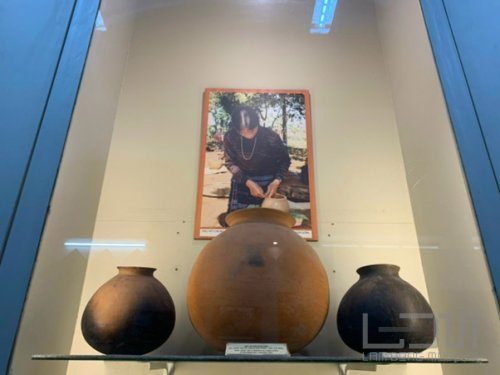
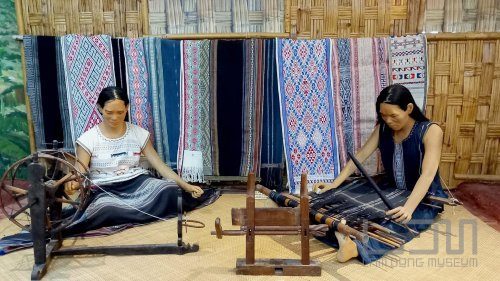
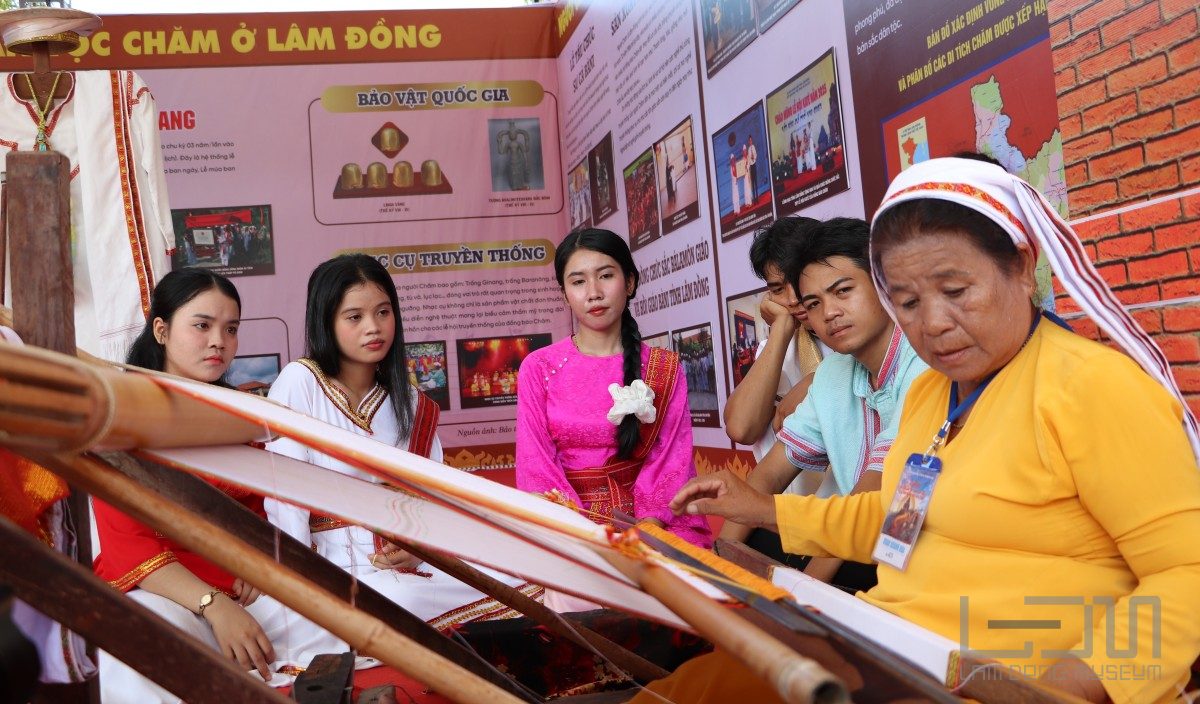
In addition, the graceful dances of Cham girls in traditional ao dai have the meaning of offering ceremonies, praying for good weather, good harvests, and peaceful villages. Along with the traditional crafts of pottery making and brocade weaving through the skillful hands of artisans, all are vividly recreated in the quiet ancient tower space.
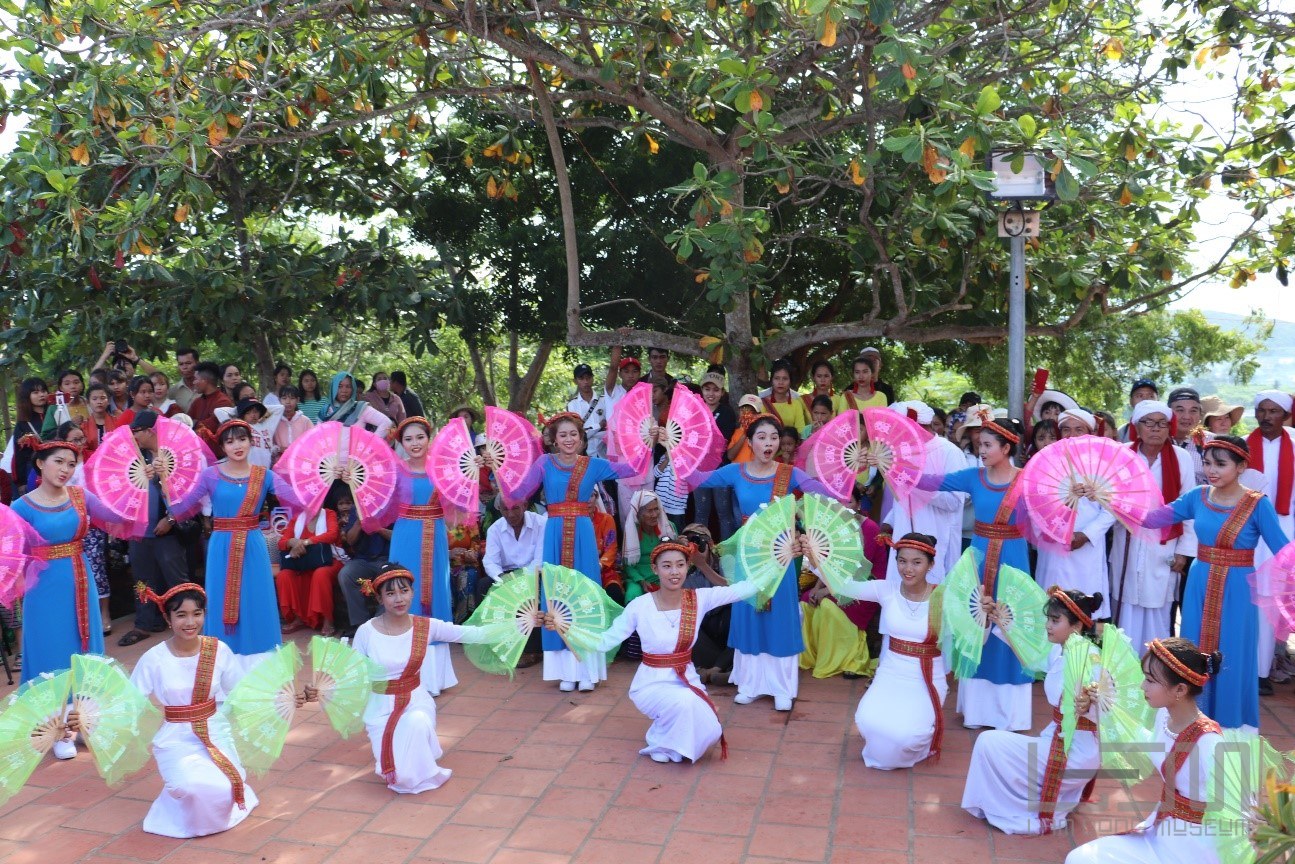
Kate Festival is a strong bond between families, clans and villagesCham after days of hard work. Today, at the Po Sah Inu Tower space, Kate also creates a large exchange space between Cham people, Kinh people and tourists from all over, promoting closer togetherness, enhancing understanding and respect for national cultural diversity. It is an eloquent testament to the enduring vitality of Cham cultural identity. In the digital era and integration trend, preserving the originality of the Kate Festival associated with the community's ownership role is the key to sustainable development of this heritage.
Kate is forever a pride, an endless cultural flow that nourishes the souls of generations of Cham people, and is also a cultural rendezvous that cannot be missed by tourists from all over.