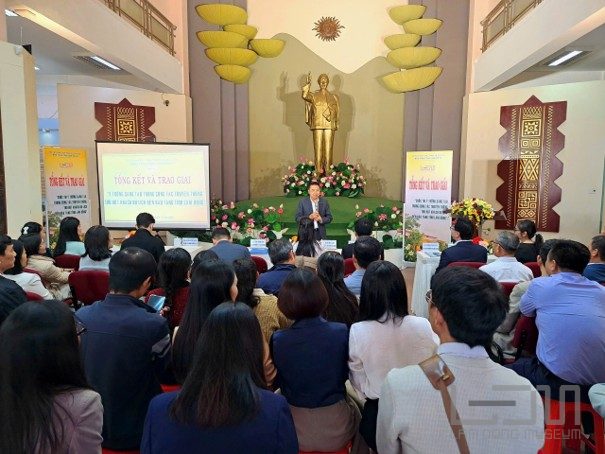
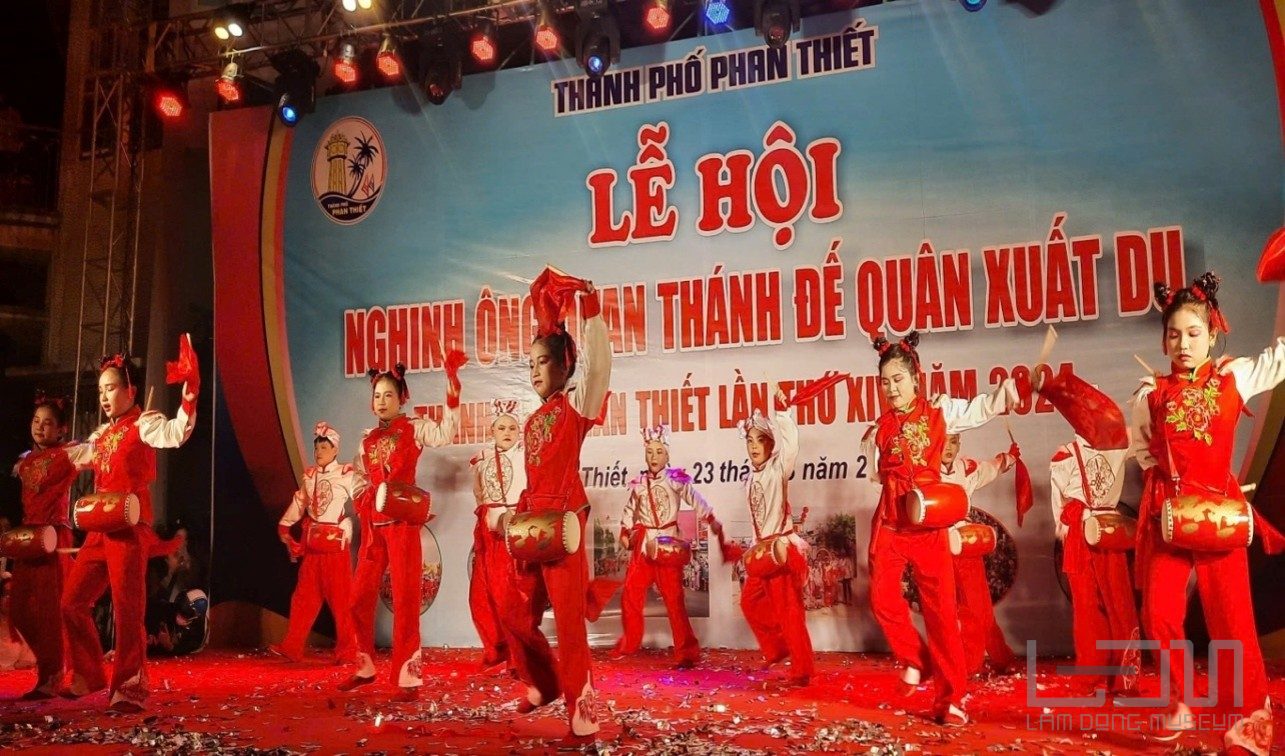
Celebrating Vietnam Cultural Heritage Day on November 23 every year is an opportunity for each person to look back at their roots, honor the cultural heritage values of the nation and raise their sense of responsibility to preserve and promote the values that generations of ancestors have passed down, so that those values continue to spread widely in the community.
From historical vestiges to a traditional educational red address
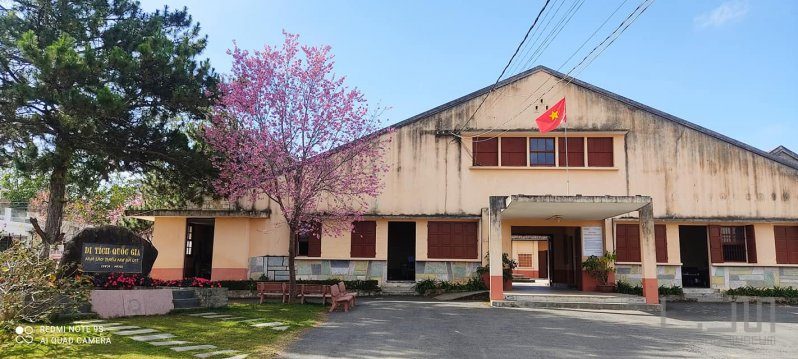
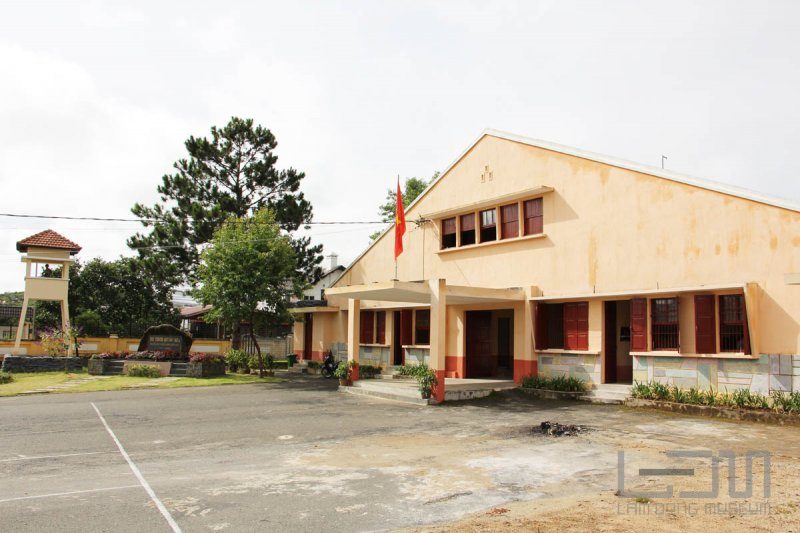
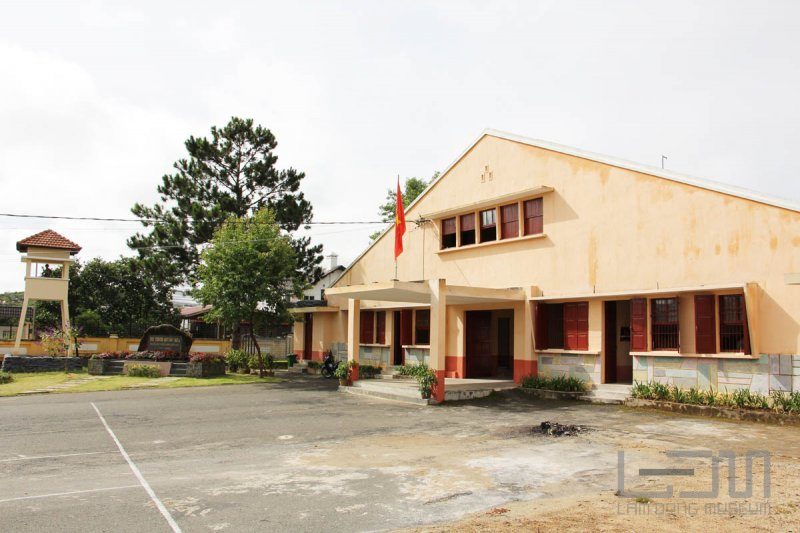
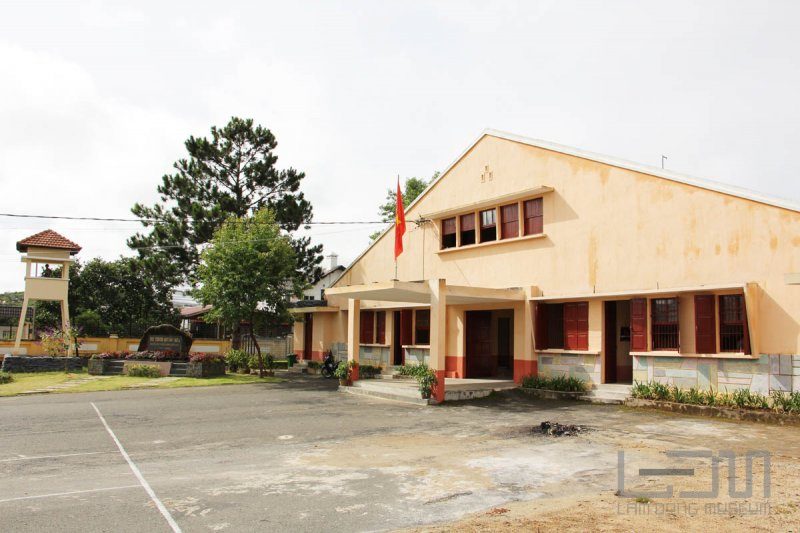
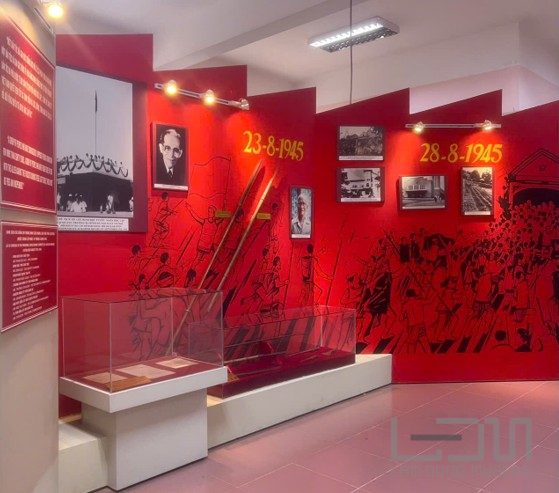
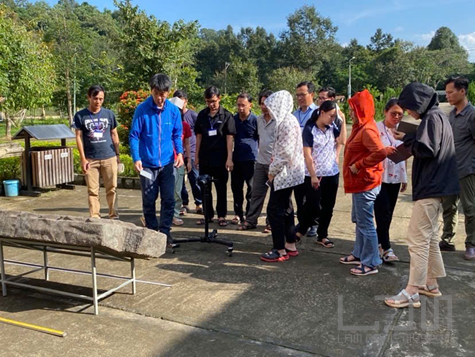
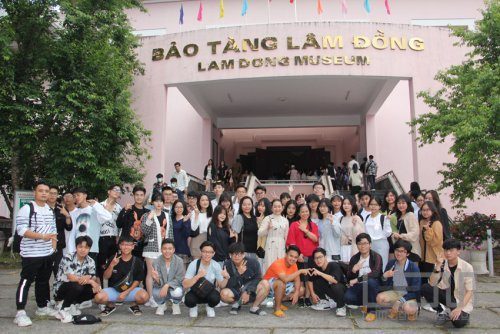
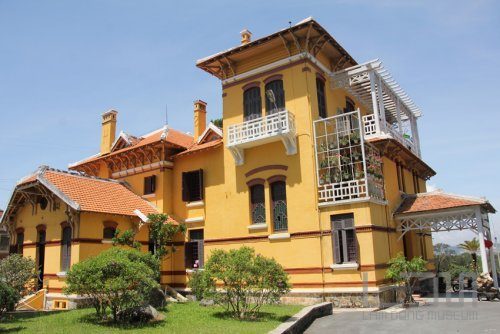
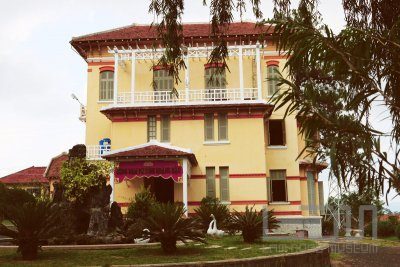
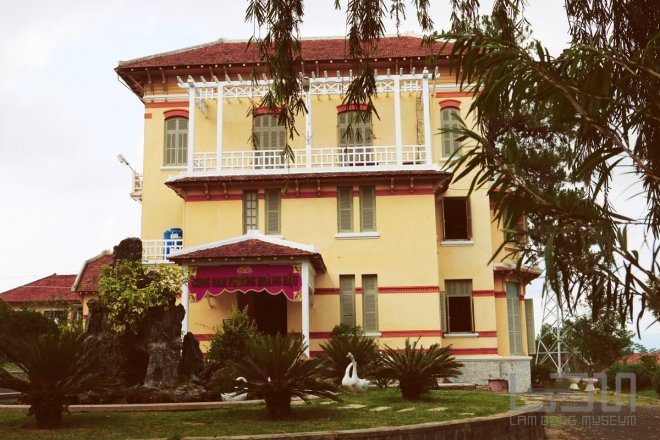
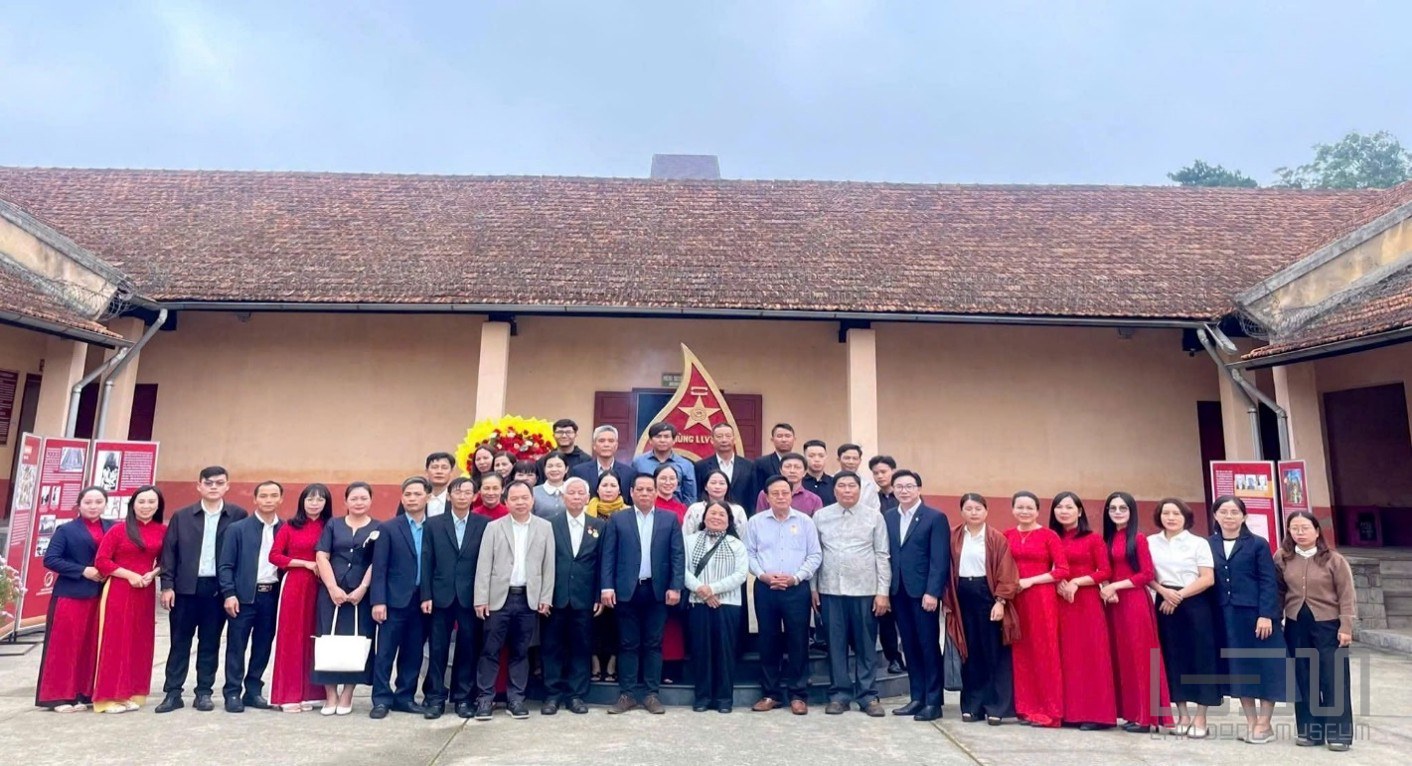
In the flow of history, the National Monument of Da Lat Children's Prison is a special historical address. The remaining vestiges and stories about the fighting spirit, camaraderie and unyielding will of young revolutionary soldiers have become valuable resources in educating revolutionary traditions for today's generations. With the responsibility of managing, preserving and promoting relic values, Lam Dong Provincial Museum is gradually connecting those historical values with the public, throughresearch, preservation, collection of documents, organization of tours, traditional education and promotion of communication and promotion of monuments.
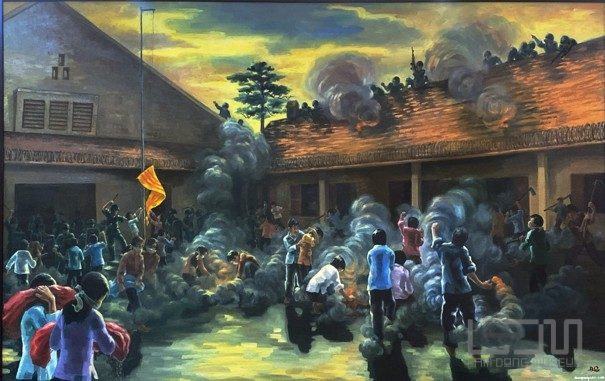
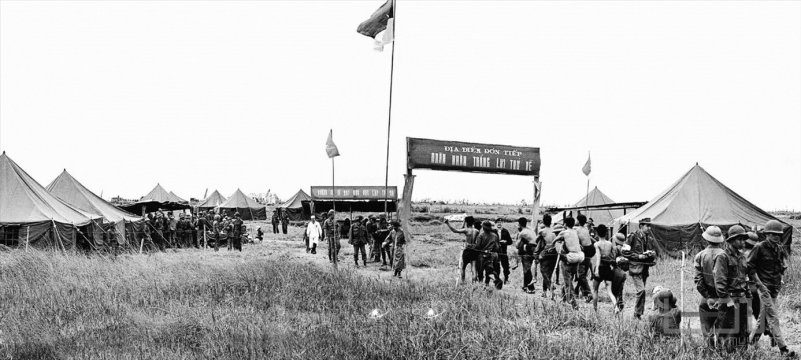
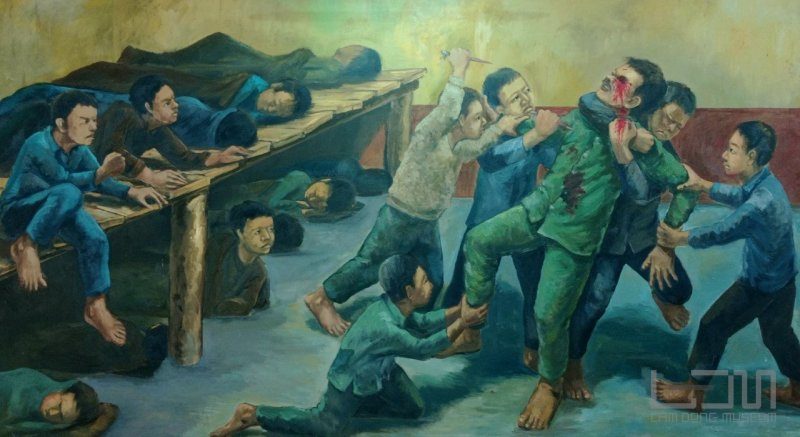
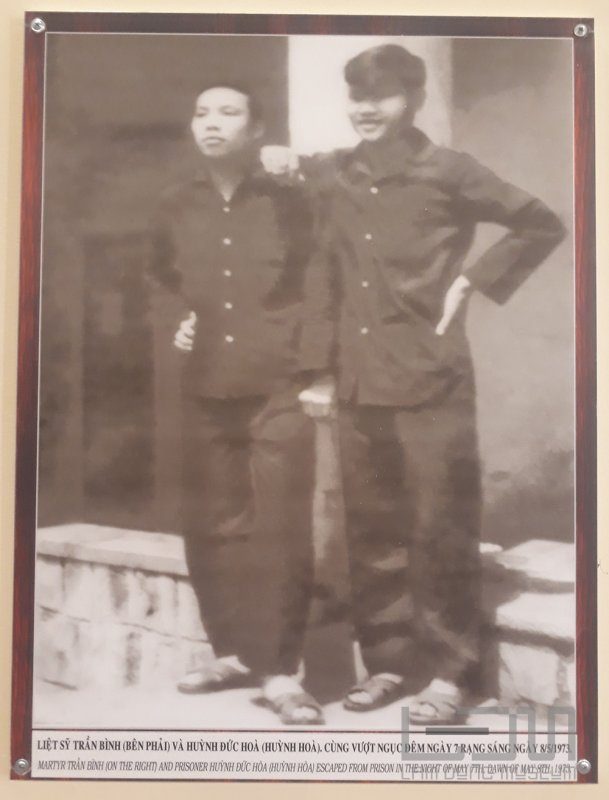
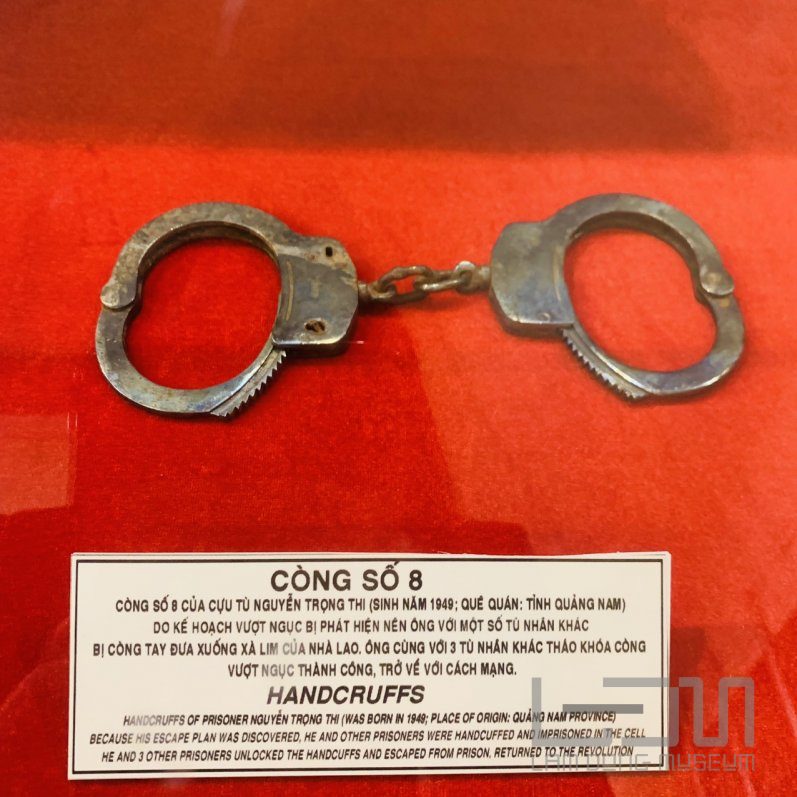
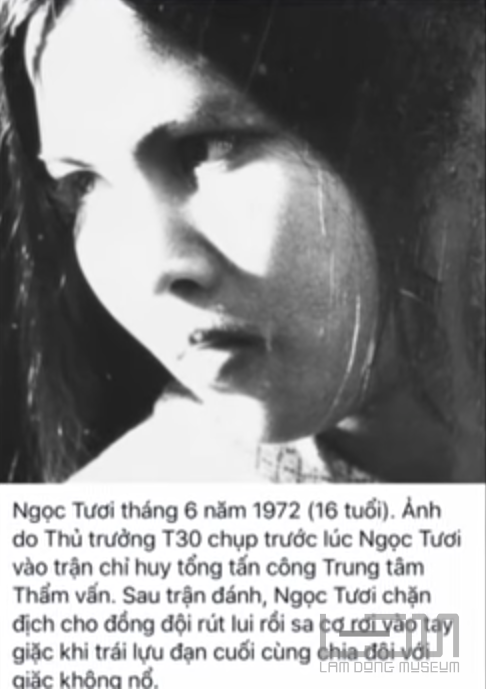
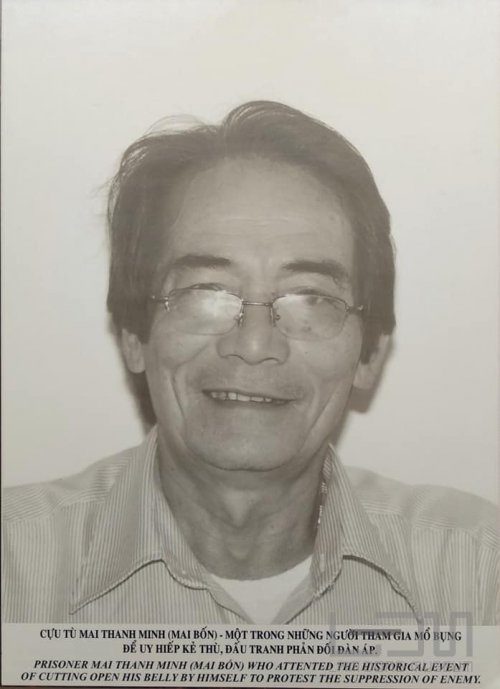
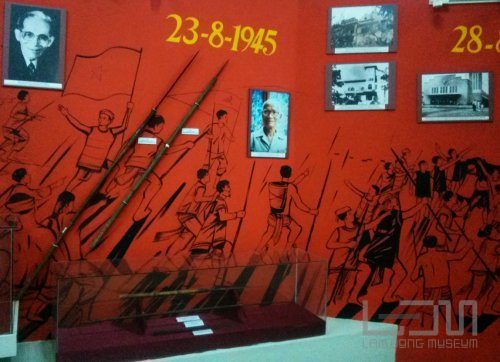
During the period 1971 - 1973, Da Lat Children's Prison was known as "Da Lat Children's Education Center". This place once detained more than 600 young revolutionary soldiers, most of them aged 14-16, brought back from many prisons in the South. In harsh detention conditions, young soldiers face many forms of house arrest and repression. However, with the spirit of solidarity, unyielding will and belief in their ideals, they organized many forms of struggle to maintain their morale and desire for freedom: hunger strikes, seppuku to protest against the flag, extermination of evil, uprisings to gain ownership of prisons, or attempts to escape from prison have become memorable milestones in the history of the site. Behind each event are stories about the courage, camaraderie and steadfast will of a generation of teenagers who early committed themselves to revolutionary ideals.
The Dalat Children's Prison relic was recognized as a national revolutionary historical relic in 2009. After the process of renovation and embellishment, the relic was restored.serving visitors since 2016. Since then, this place has not only been a space to preserve historical vestiges, but has also become a meaningful "red address" in educating revolutionary traditions, especially for the younger generation.
Journey to awaken heritage
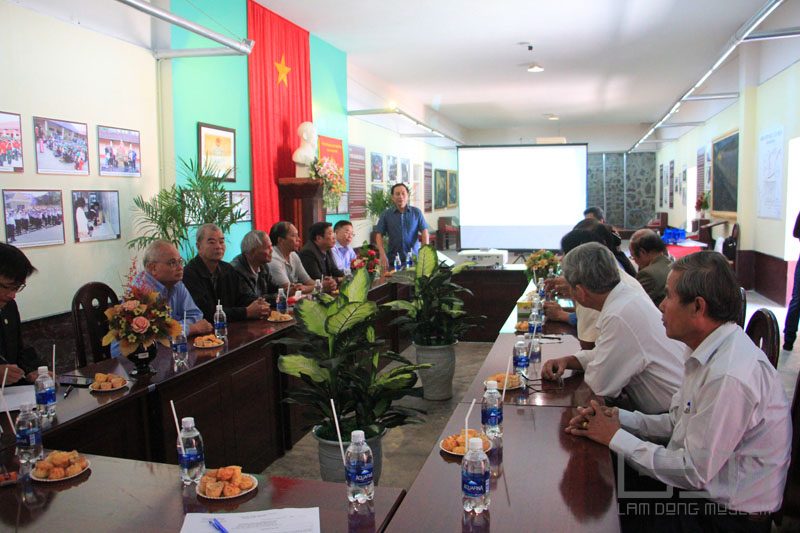
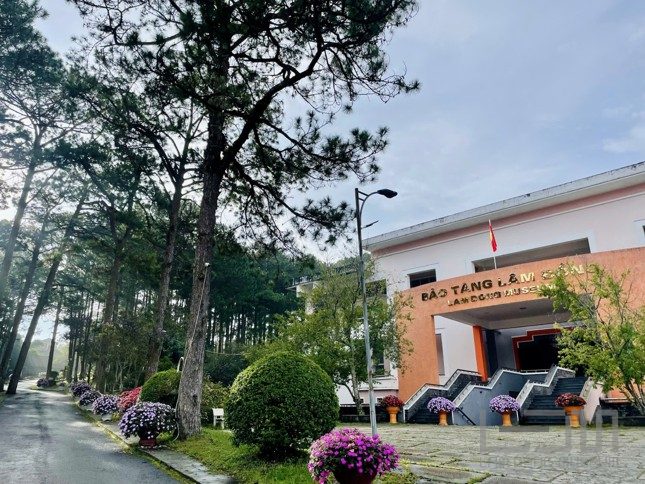
Conserving relics is a long-term process, in which preserving physical traces needs to be done in parallel with research, collection and supplementation of documents. This is also the task that Lam Dong Provincial Museum is interested in in the process of managing and promoting the value of the National Monument of Da Lat Children's Prison.
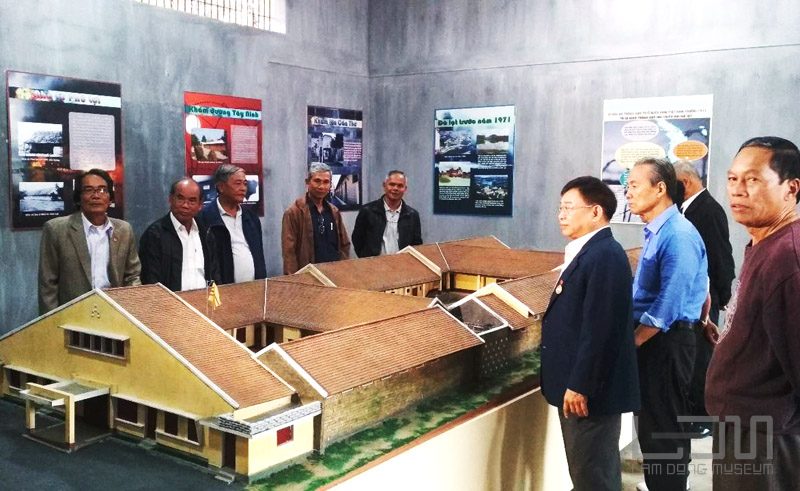
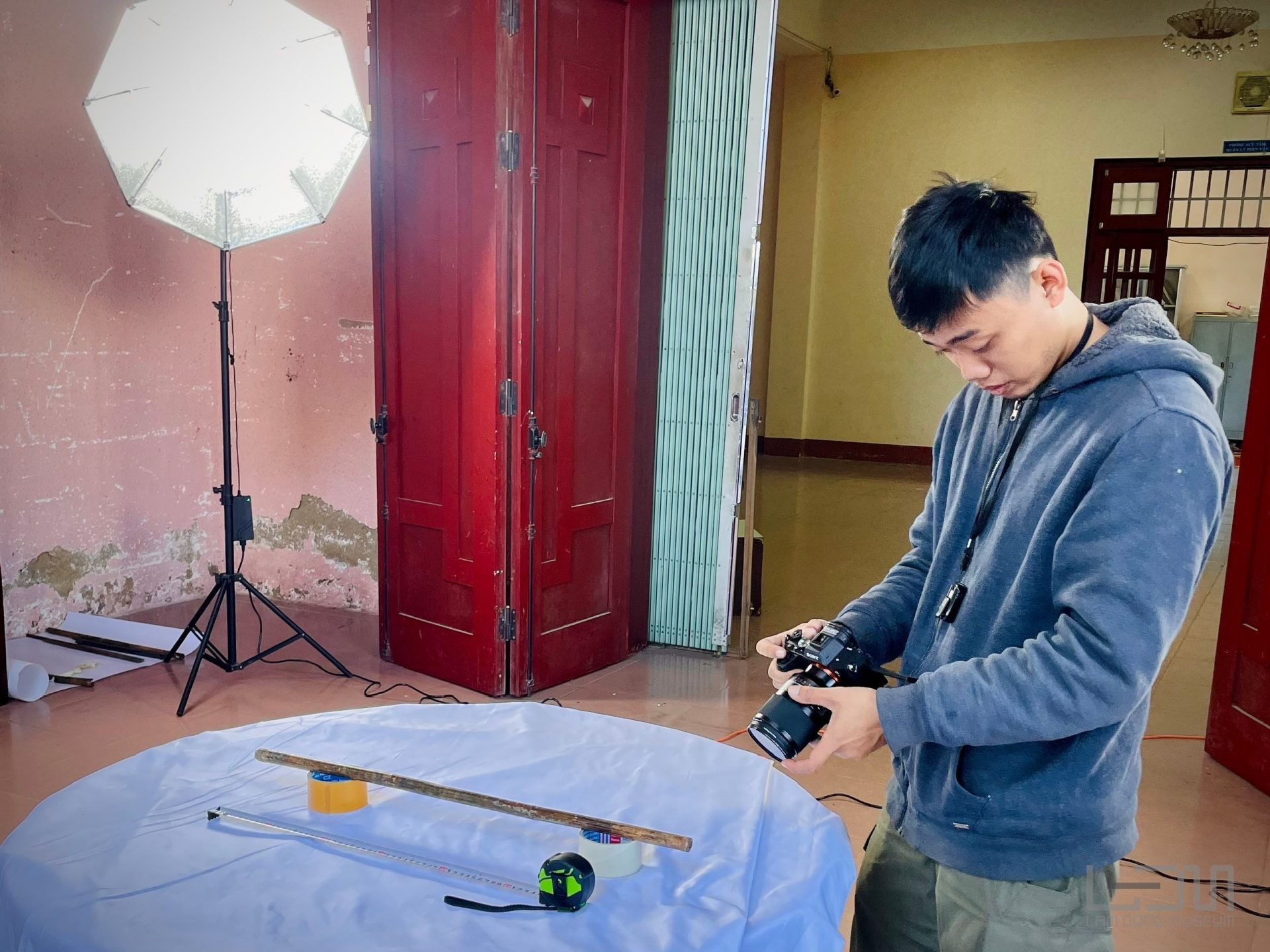
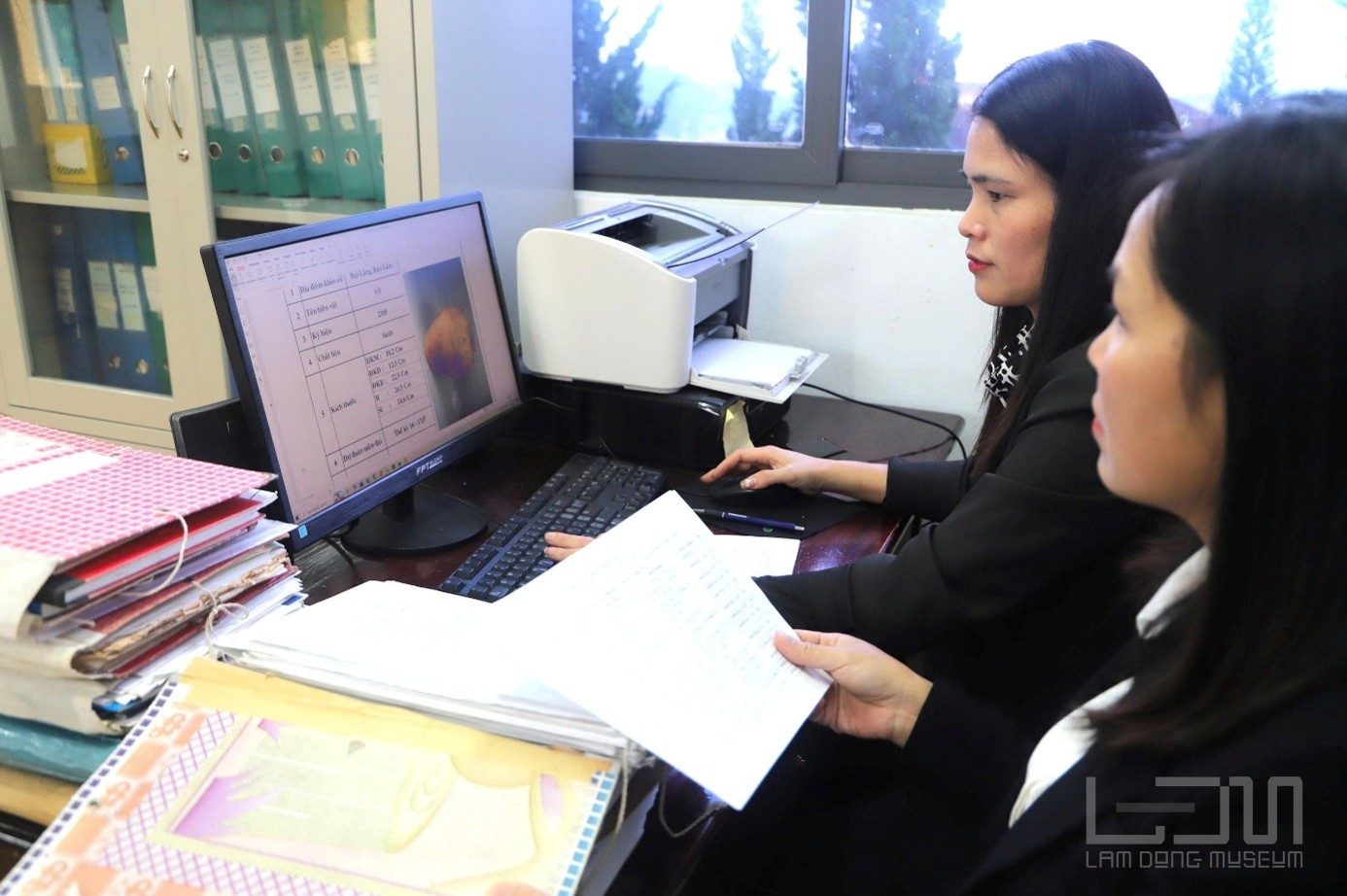
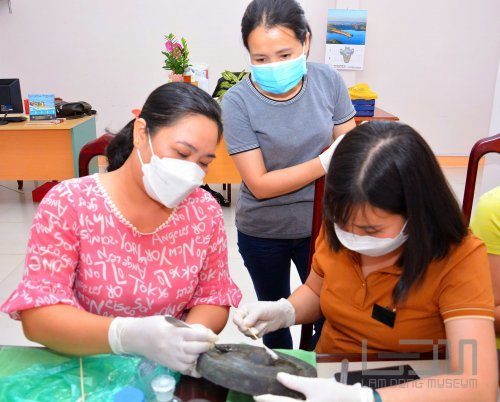
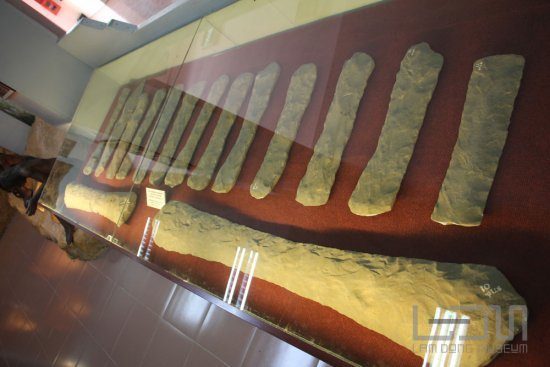
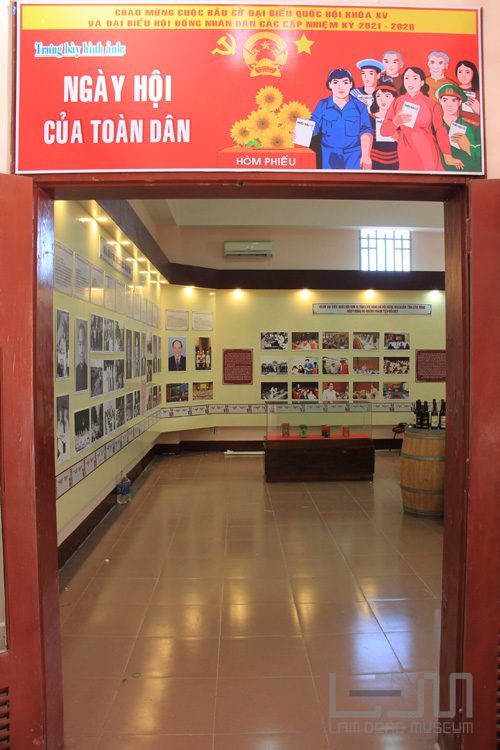
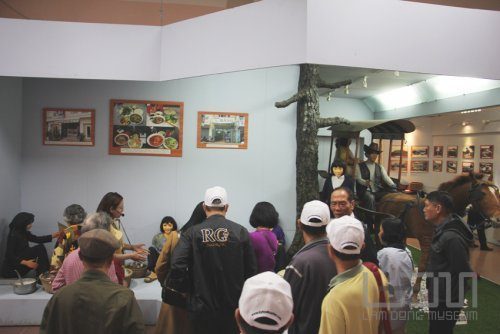
In addition to preserving the landscape, architecture and original vestiges, inventorying, reviewing the list of artifacts, systematizing documents and editing display content plays an important role. Verified information and fully recorded artifacts contribute to clarifying the history of monuments, while also creating a basis for research, introduction and traditional education.
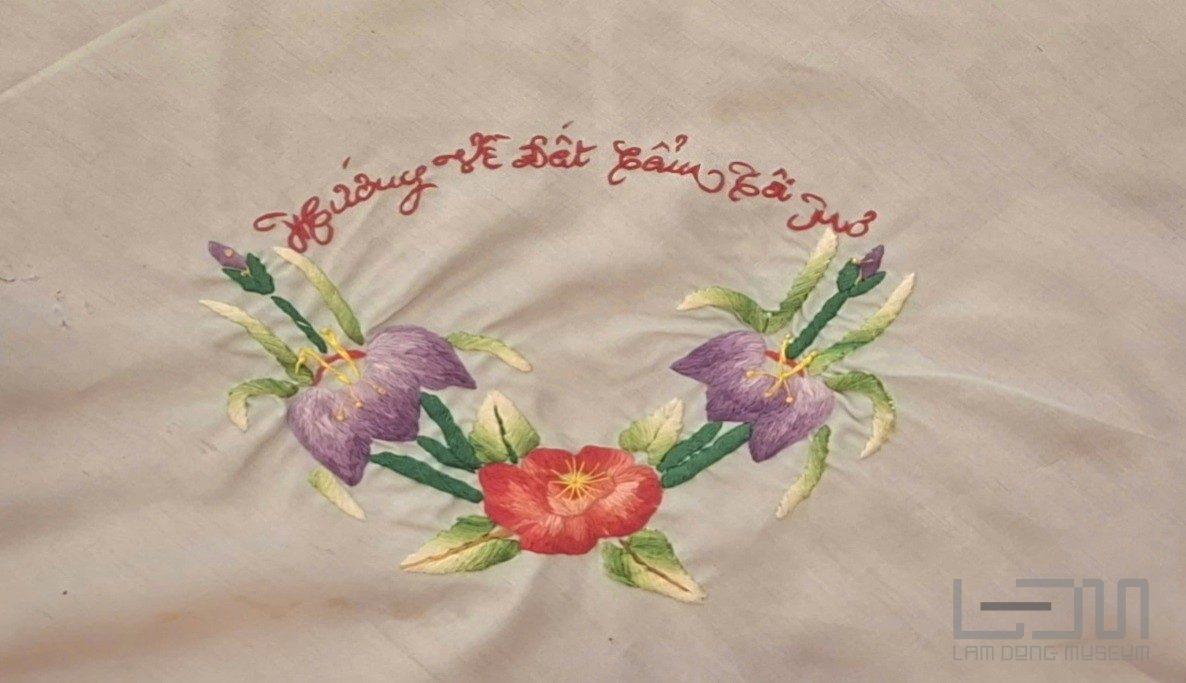
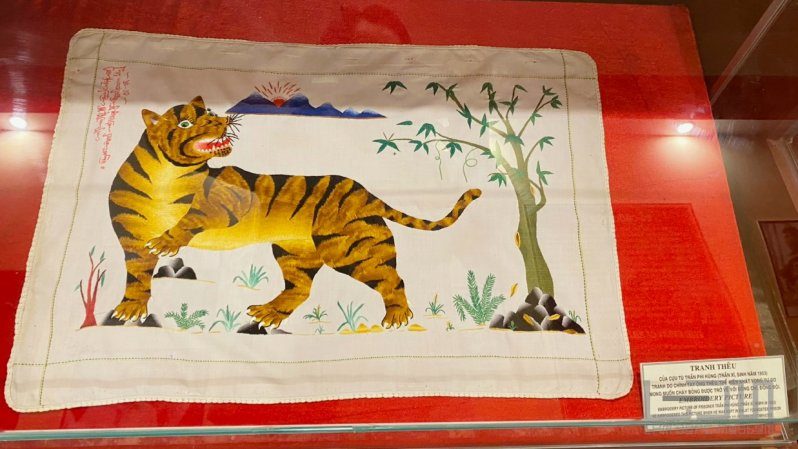
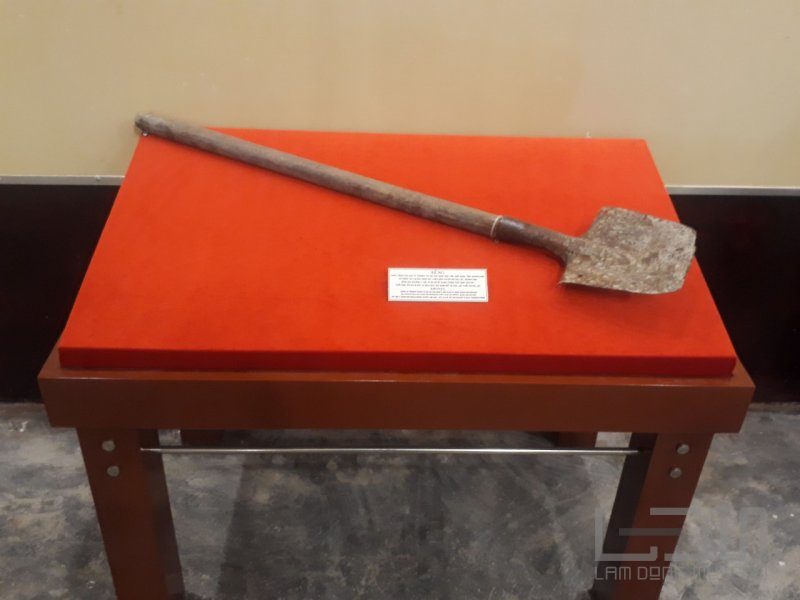
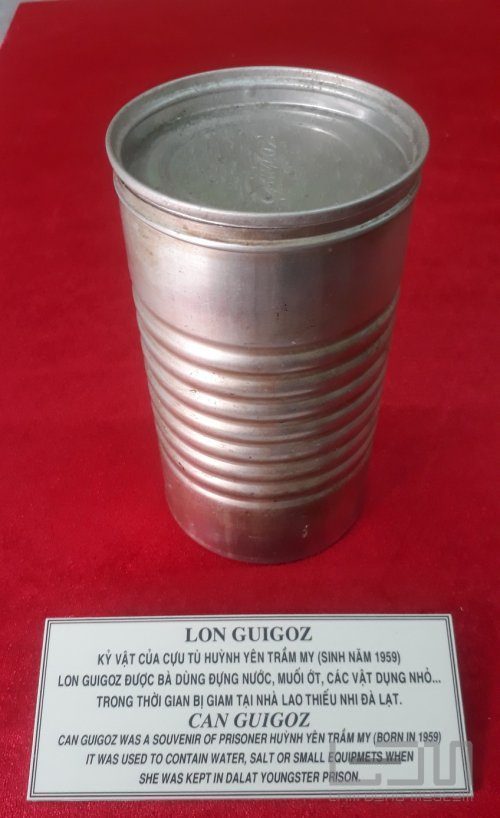
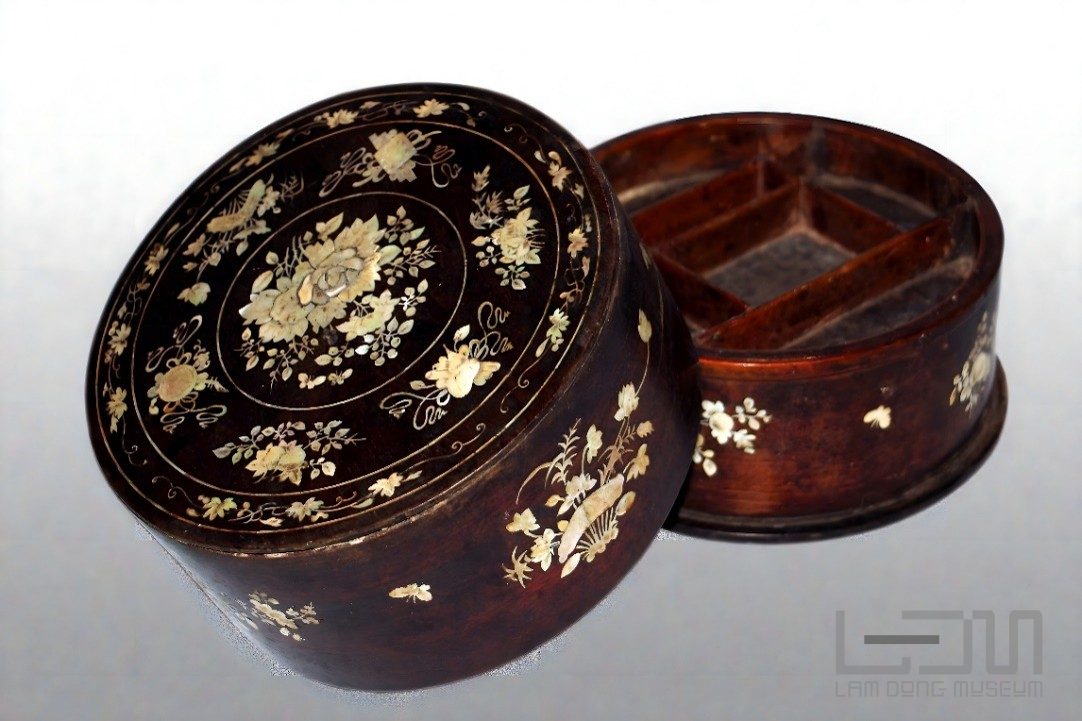
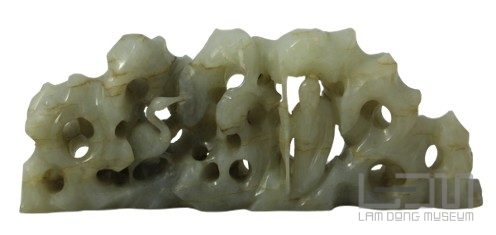
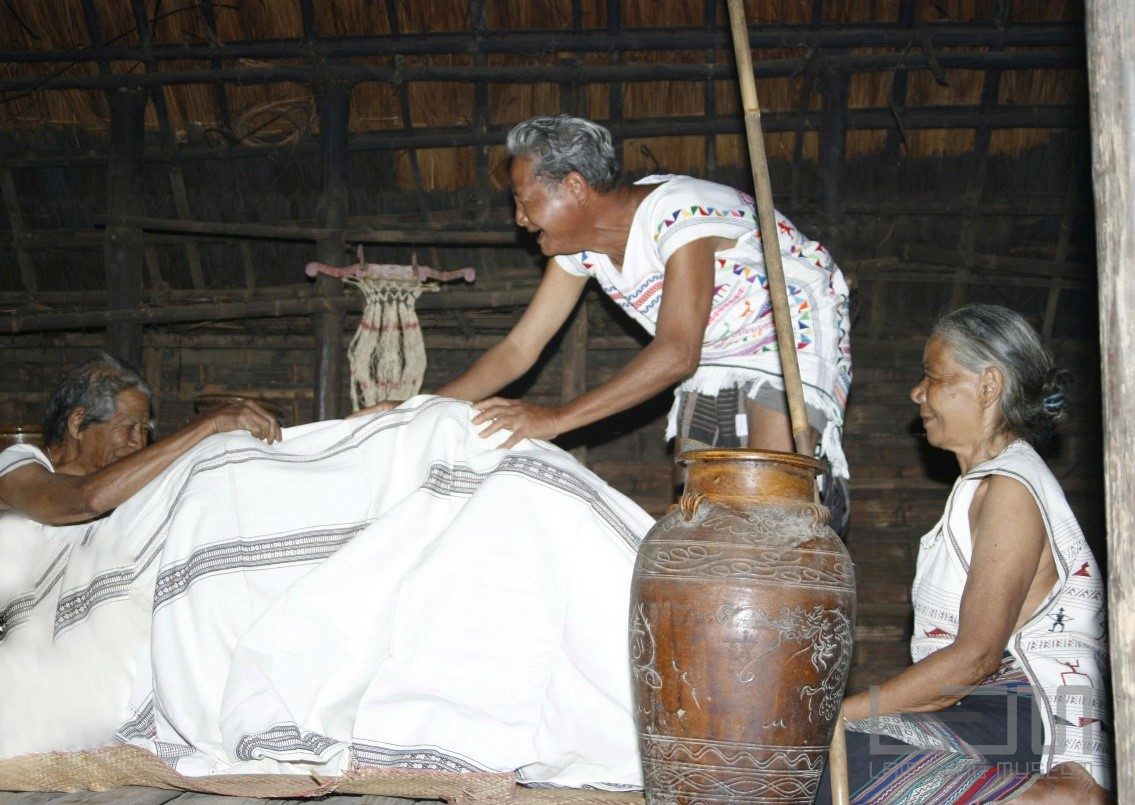
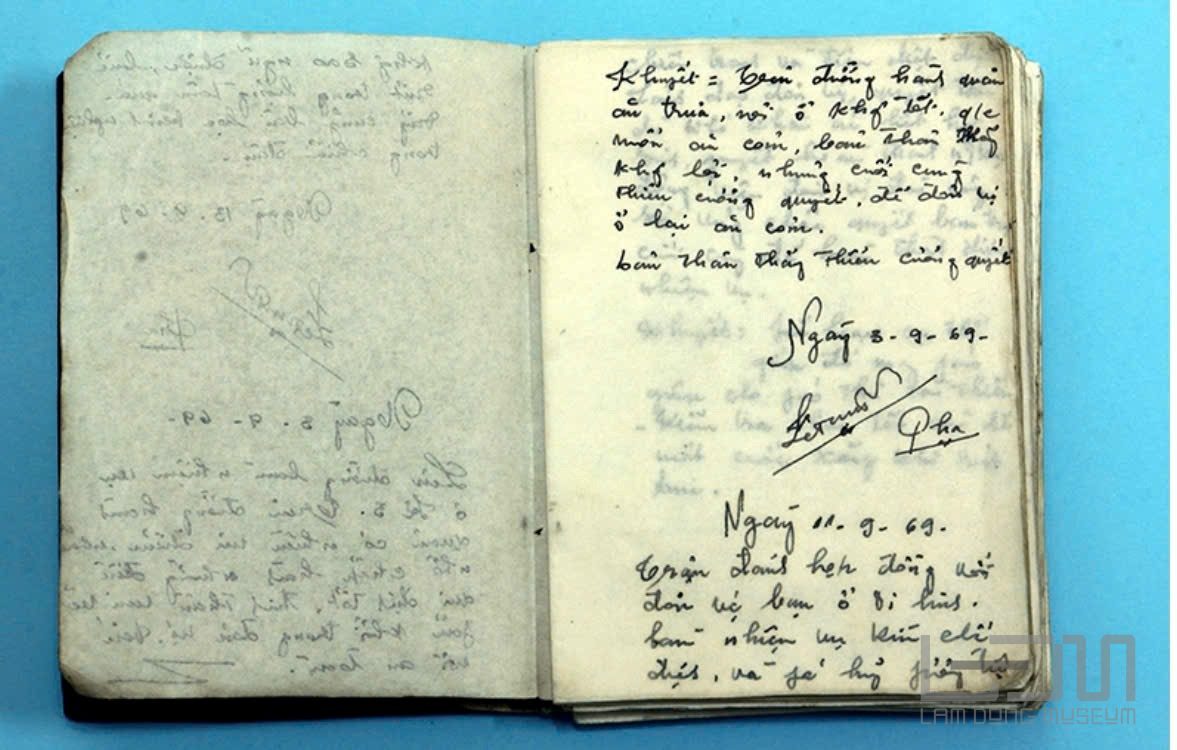
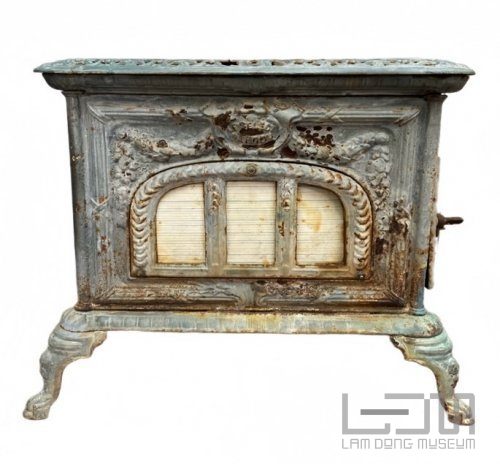
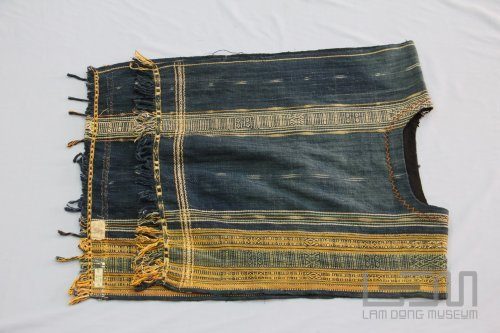
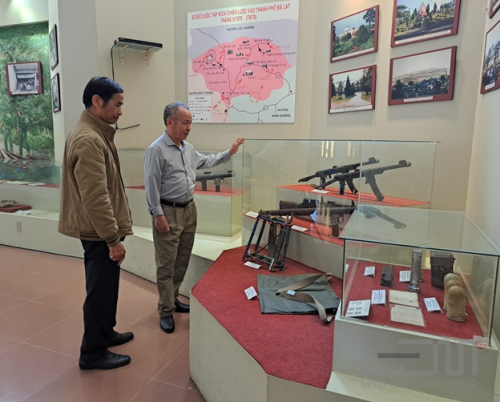
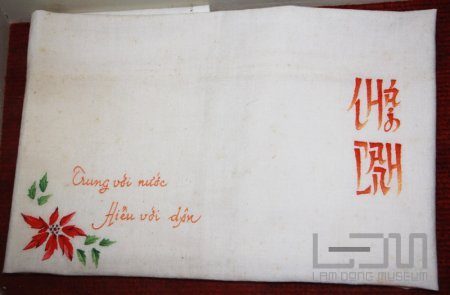
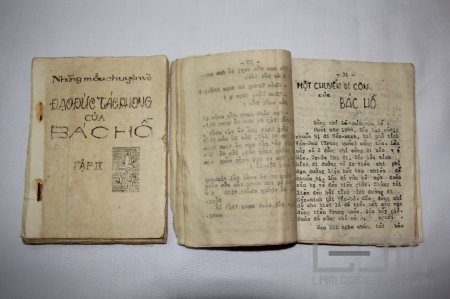
In particular, memorabilia associated with the lives of former prisoners are valuable sources of information. There it isIt could be an old shirt, scarf, embroidered cloth, or simple items kept over the years... Although these artifacts do not have material value, hidden in each memento is a person, a situation and a story. There are souvenirs that remind us of camaraderie and sharing during difficult days; There are memorabilia reflecting the life of prisoners; There are also memorabilia expressing the faith, determination and desire for peace of those who went through years of imprisonment.
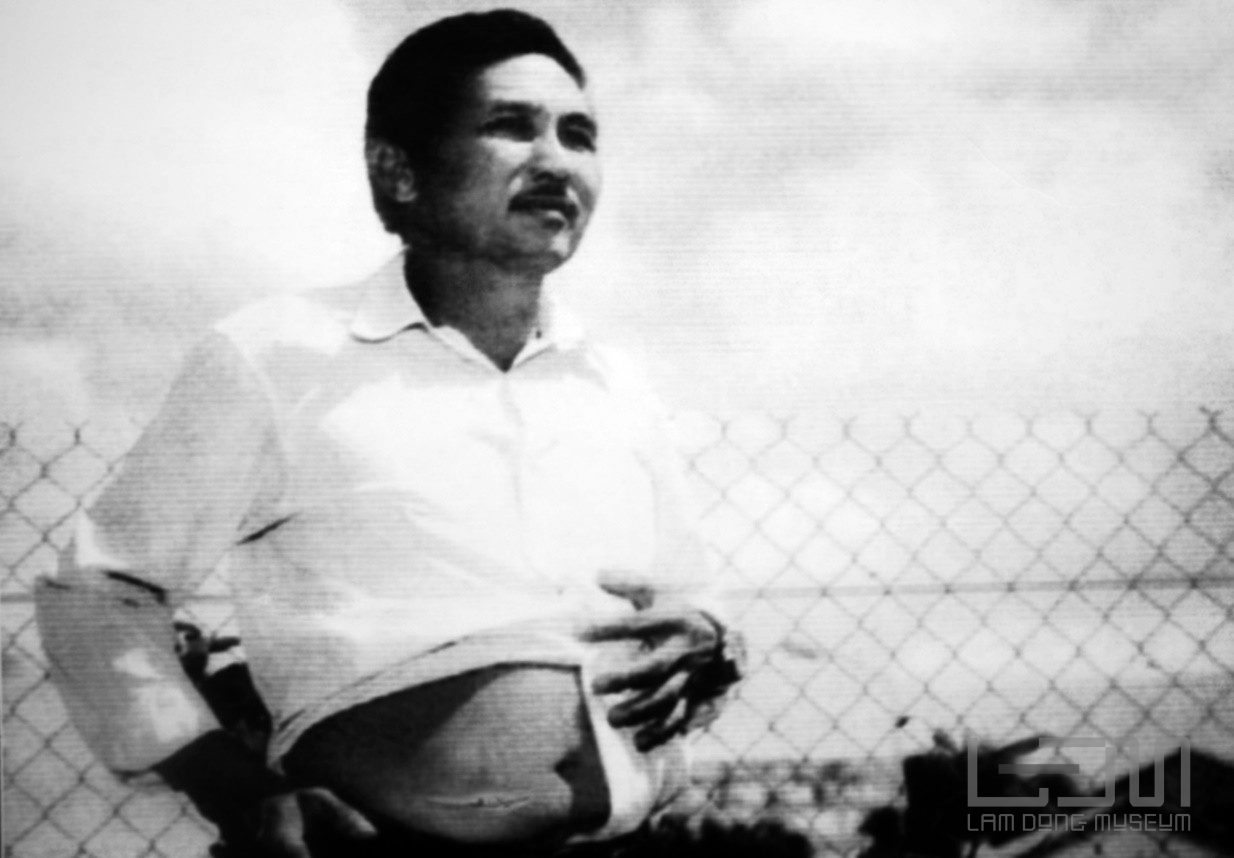
Therefore, continuing to research, review, inventory, collect and supplement information about artifacts and historical figures not only meets the requirements of monument management but also contributes to enriching the display content, helping history become more specific, close and in-depth. Along with the list of former prisoners that has been gathered, documents, images and stories provided by former prisoners, families and localities are important additional sources, contributing to gradually completing the historical picture of Da Lat Children's Prison.
Bringing monuments closer to the younger generation
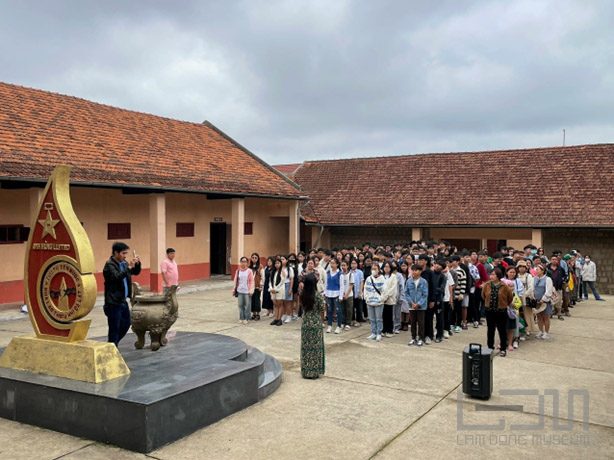
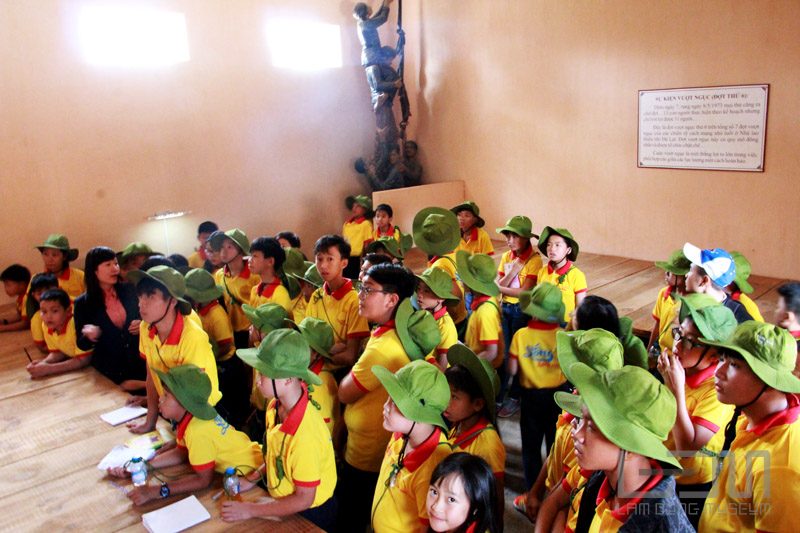
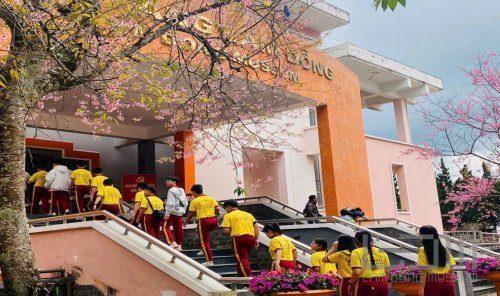
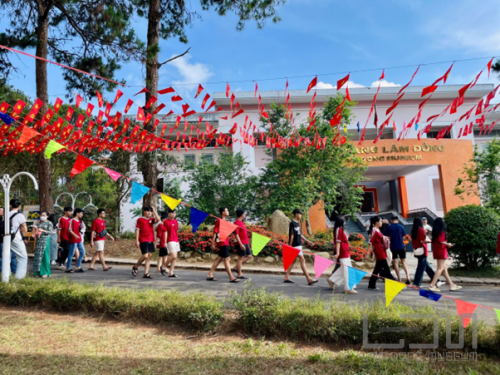
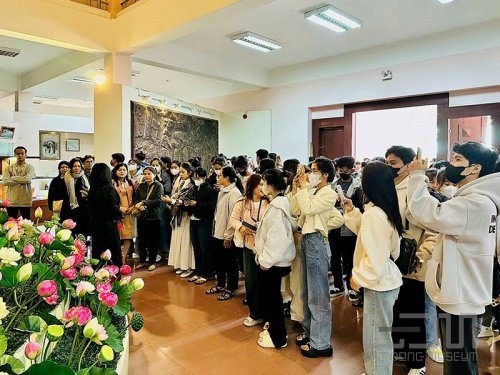
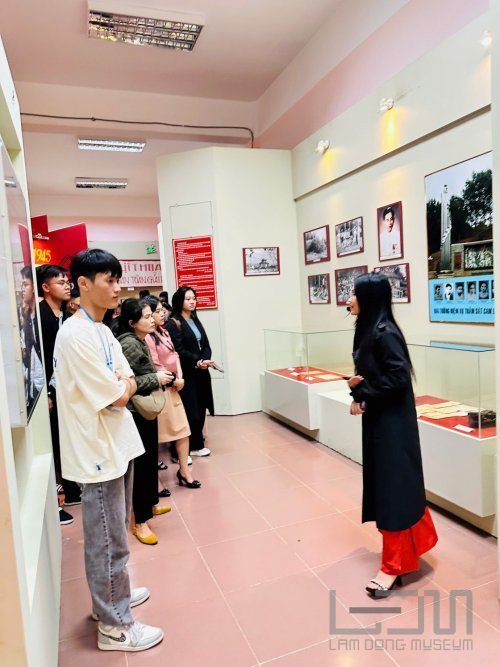
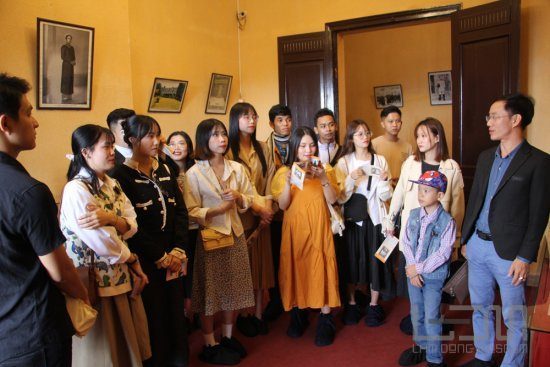
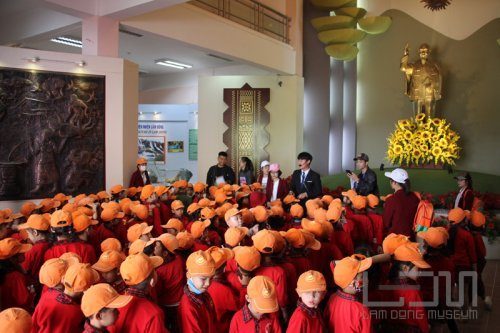
Promoting mobile valuesMonuments do not just stop at preserving physical traces, but also make history continue to be present in today's life. With the Da Lat Children's Prison National Monument, welcoming, guiding tours and organizing learning and experiential activities for pupils and students is one of the practical ways to bring the heritage closer to the community.
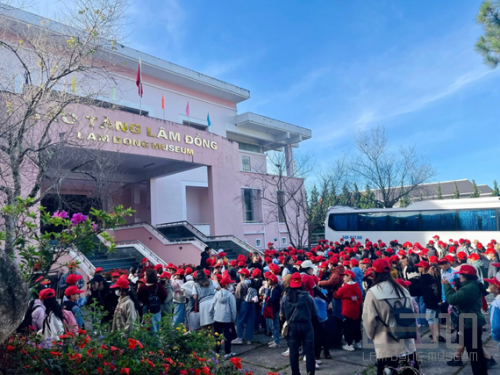
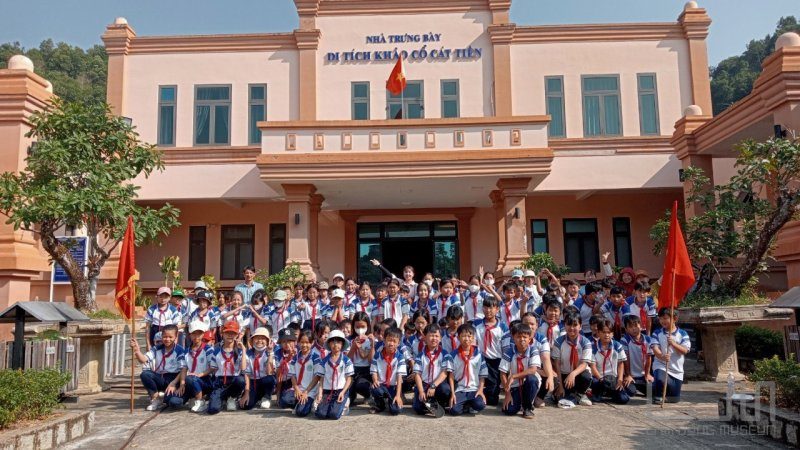
According to statistics from the beginning of the year to mid-November 2026, the Da Lat Children's Prison National Monument has welcomed about 38,000 visitors. Among them, more than 90 schools inside and outside the province came to organize learning and experience, including more than 60 schools in the province and more than 30 schools outside the province.
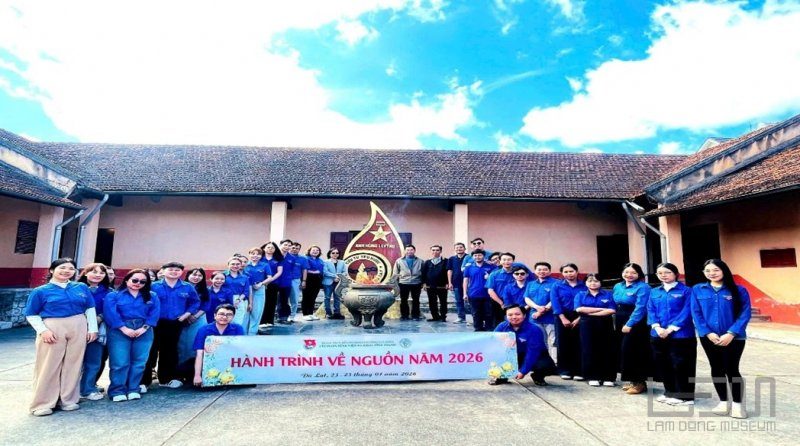
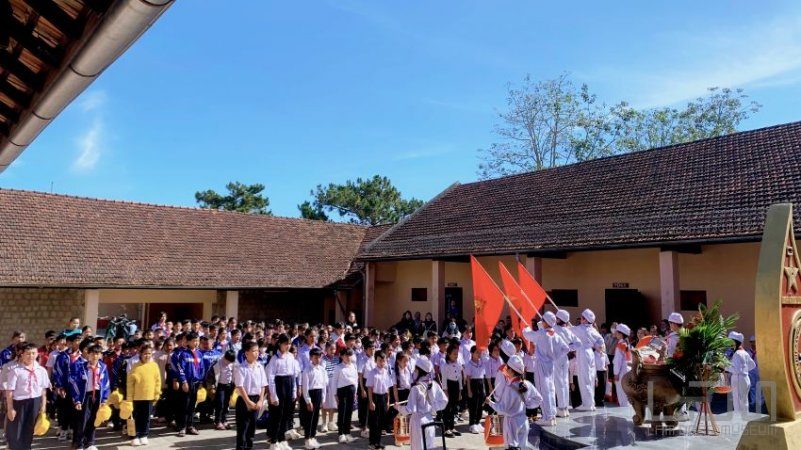
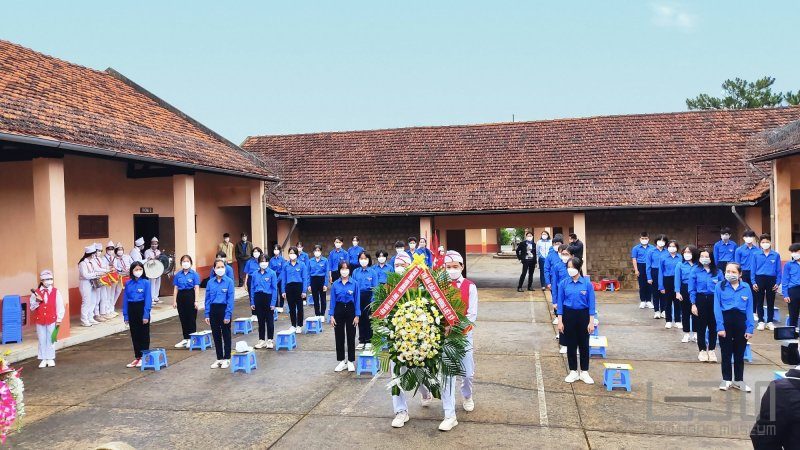
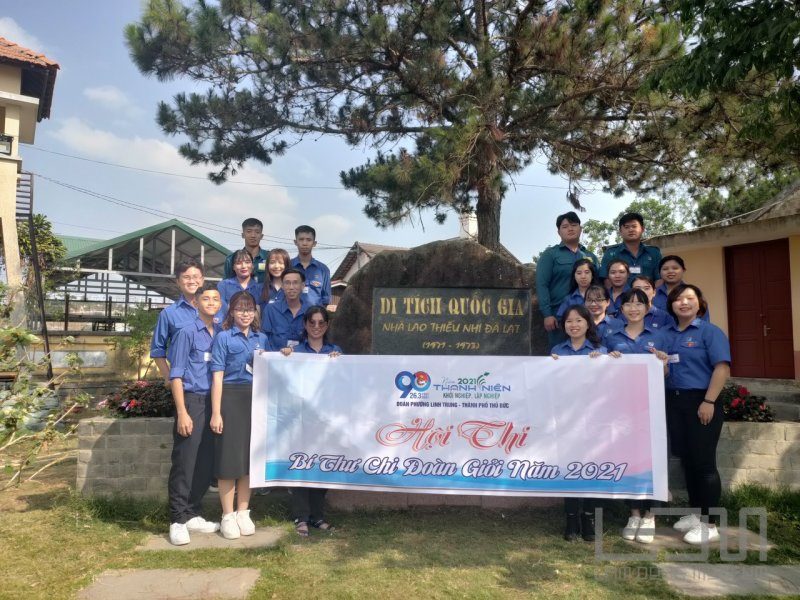
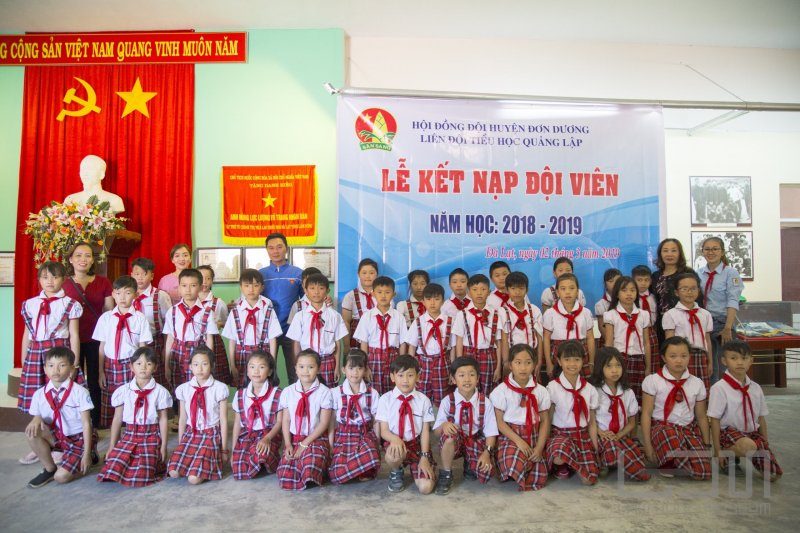
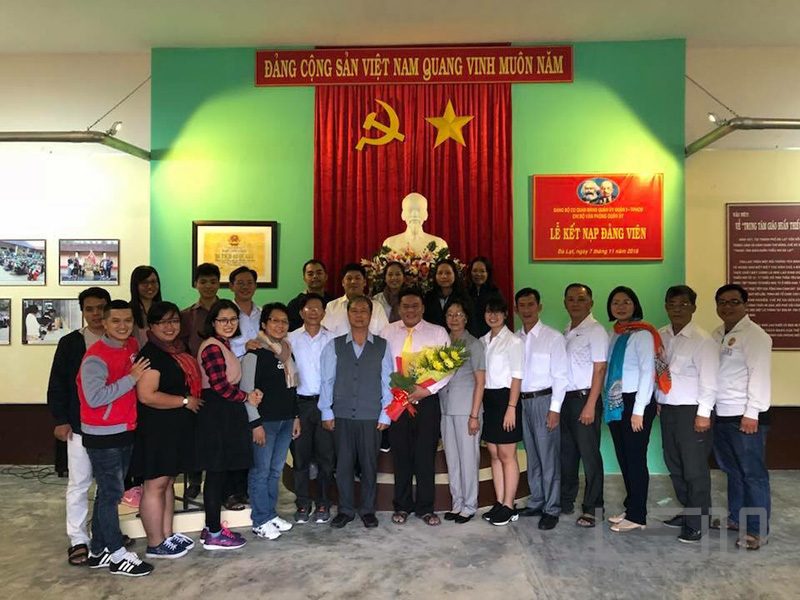
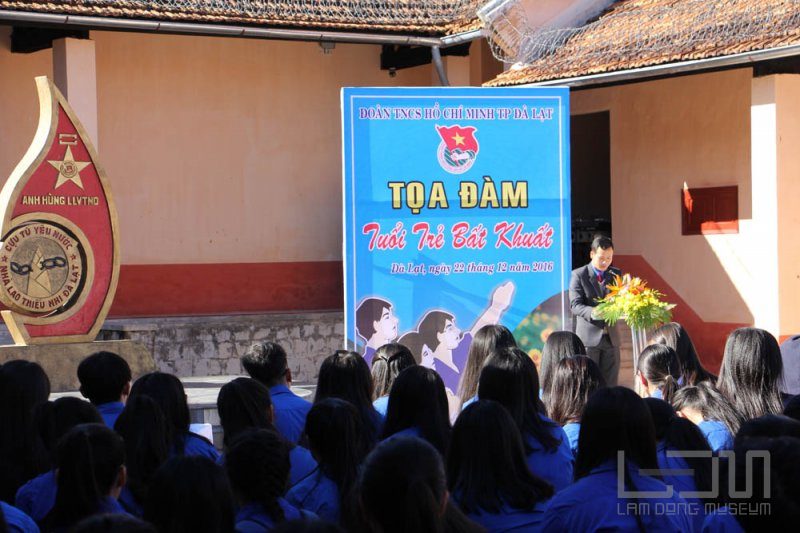
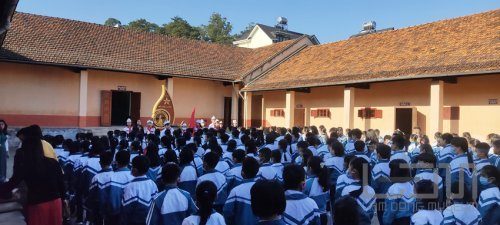
Notably, during the statistical period, 12 primary schools held admission ceremonies for the Ho Chi Minh Young Pioneers at the monument. Da Lat Primary, Secondary & High School, Nguyen Dinh Chieu Secondary School and Chi Lang Secondary and High School also held a ceremony to admit members of the Ho Chi Minh Communist Youth Union at the National Monument of Dalat Children's Prison.
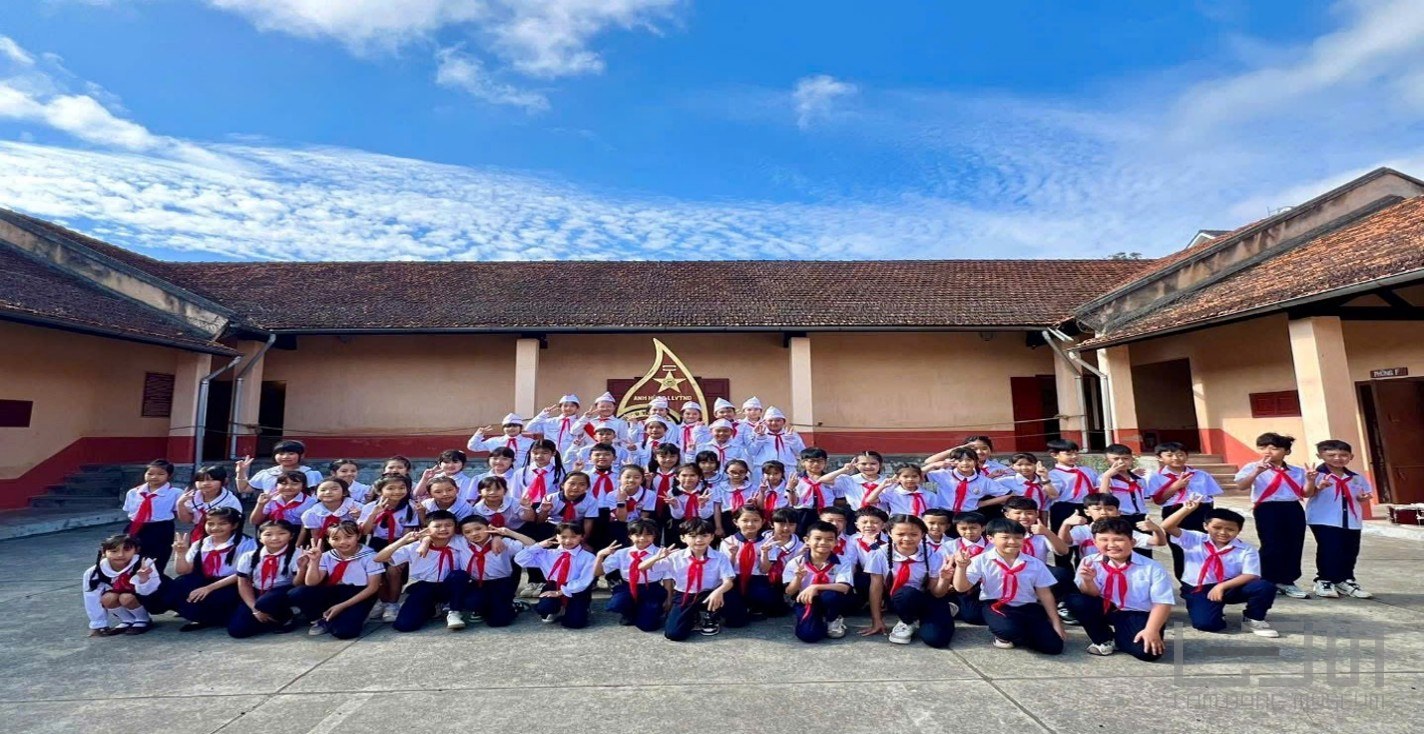
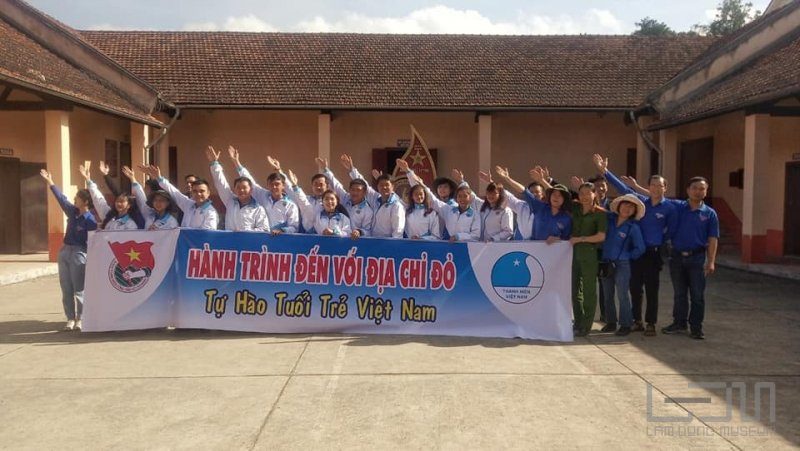
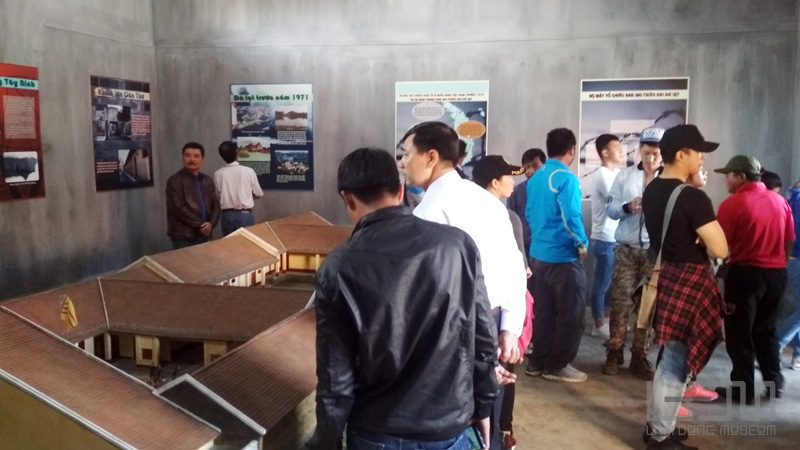
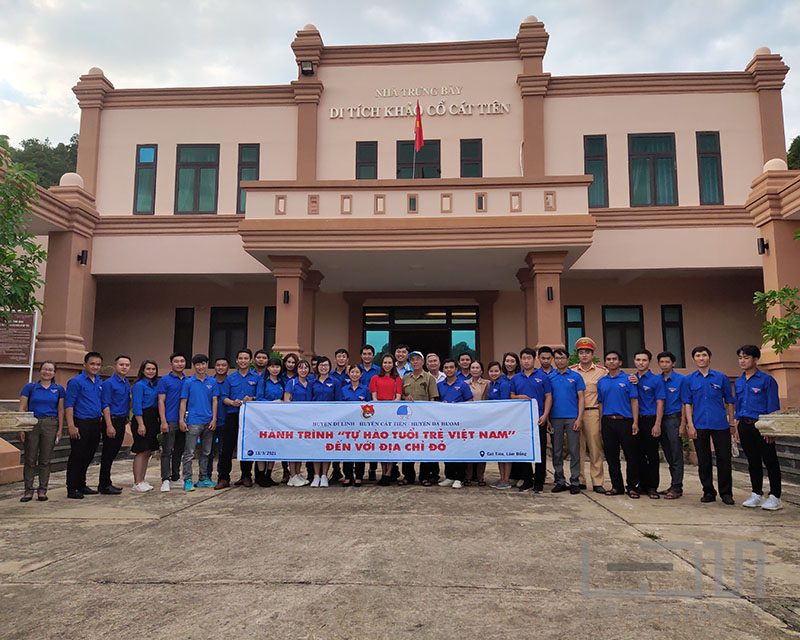
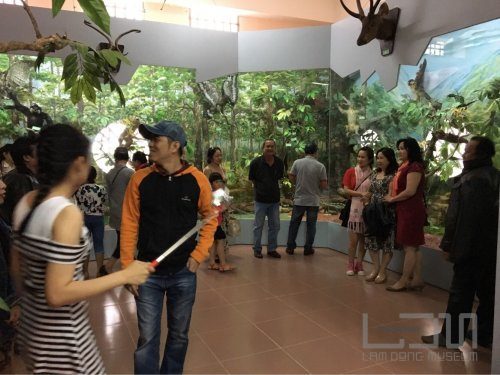
Through sightseeing, study programs and journeys back to the origin, Da Lat Children's Prison has become a destination for many student groups, students, union members and young people. Here, children can directly learn about the history of the prison, hear introductions about the struggle events and the lives of young revolutionary soldiers. Historical lessons are therefore not just on the pages of books, but are felt right in the spaces where specific struggle events took place.
Along with live reception and interpretation activities, communication work is expanding access to the monument to more public groups. Through articles, images, introductory video clips and historical stories built on media platforms, the image of Da Lat Children's Prison is spread more widely. Stories about young soldiers, memorabilia and remaining vestiges of the prison can reach even those who do not have the opportunity to visit in person.
The combination of direct tours and educationEducation, experience and communication on digital platforms not only contribute to promoting the image of monuments but also open up new ways for the public to learn about history. Through that, heritage is connected to contemporary life, especially to the young generation, who will continue to preserve and tell those stories in the future, about the values of independence, freedom and responsibility of today's generation.
Towards Vietnam Cultural Heritage Day (November 23), the work of preserving and promoting the value of the Da Lat Children's Prison National Monument becomes more practical and meaningful. This place preserves touching stories about the patriotism, camaraderie, resilient will and desire for freedom of young revolutionary soldiers. Each treasured artifact and each recorded witness account not only contributes to clarifying the history of the monument, but also helps today's generation more deeply understand the value of peace, independence, and unity. Promoting that spirit, in the coming time, Lam Dong Provincial Museum will continue to promote research and collection of documents; organize experience programs and journeys to the source; At the same time, innovate communication and apply digital technology to bring historical stories to the forecloser to the public.