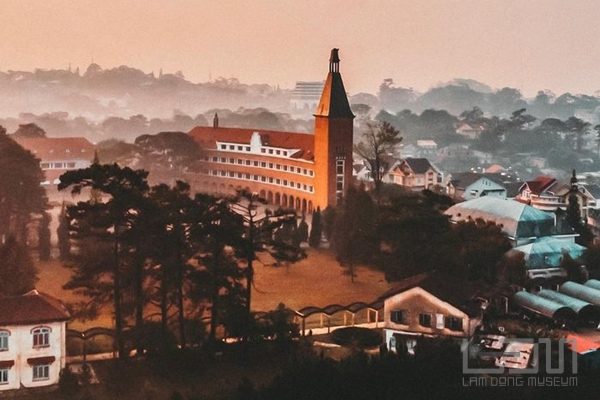
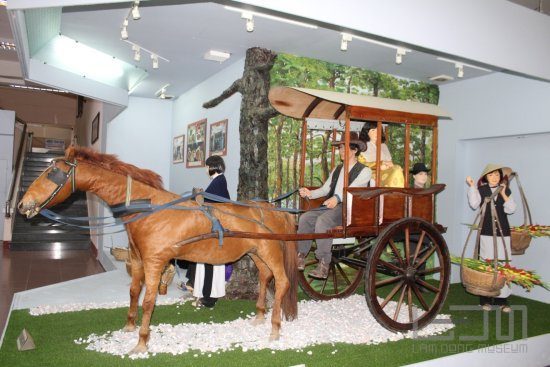
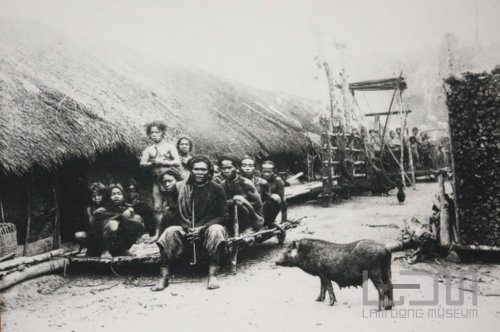
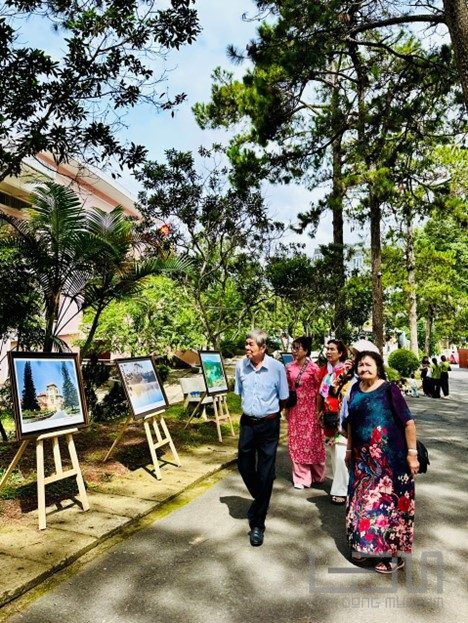
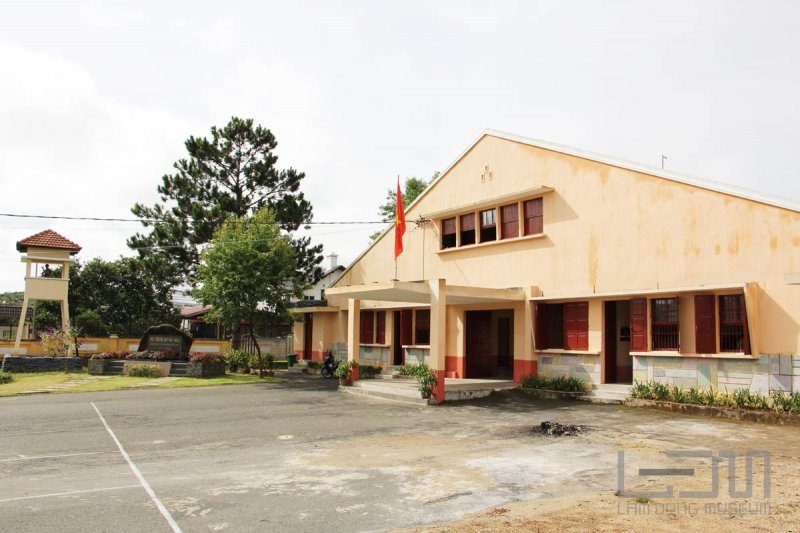
Since the early twentieth century, along with the formation and development of Da Lat urban area, residents from many regions across the country have come here to live and settle down. Communities are gradually formed according to groups of compatriots such as Ha Dong hamlet, Nghe Tinh hamlet, Anh Sang hamlet... Each community brings its own cultural characteristics, from accent, customs to daily activities. They not only bring with them production experience but also strive to maintain familiar habits from their homeland as a way to ease homesickness. Among them, chewing betel is a common habit in the family life and communication of residents here.
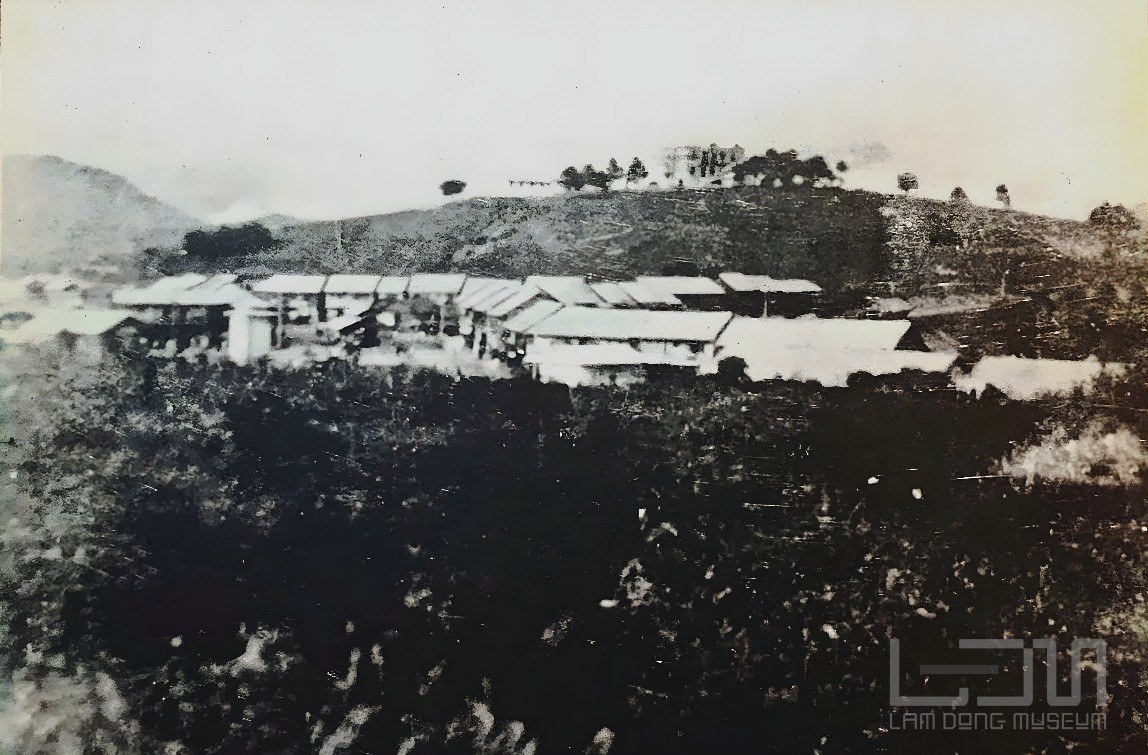
Eating betel is a long-standing custom in Vietnamese life. When coming to Da Lat, people who have the habit of chewing betel continue to maintain this custom while resting, chatting, visiting or receiving guests. Women and older people are often the ones who stick to the custom of chewing betel. Offering betel when guests come to your home not only shows intimacy and hospitality but is also a way to open a conversation and create closeness in communication.next. The concept "The betel piece is the beginning of the story" therefore becomes a cultural communication feature, contributing to connecting residents from many different regions when living in Da Lat, helping them easily get closer to each other and be more open in daily life.
Betel chewing is associated with many meticulous preparation steps. A basic piece of betel consists of betel leaves, areca nut and lime; Depending on the customs of each region, additional ingredients such as tobacco, vegetarian peel or quark peel can be added. When done, betel leaves are selected, cleaned and then a sufficient amount of lime is applied to the leaf surface. Cut the areca nuts into small pieces, arrange them with the accompanying ingredients, then place them on top of the betel leaf to roll up, called betel palm. Depending on the habits and experience of the person making the betel, the betel not only has regional characteristics but also shows the skill and sophistication of the person doing it.
In Da Lat, betel trees can be grown and produce leaves, but areca trees are not as favorable for growing and producing fruit as in hot regions. Therefore, maintaining the custom of betel chewing here has a difference in raw material sources, in which betel leaves can be supplied from the local area, while areca nuts need to be supplied from elsewhere.arrive. This detail shows that a familiar custom when maintained in a new place also has adjustments to suit natural conditions and available raw materials.
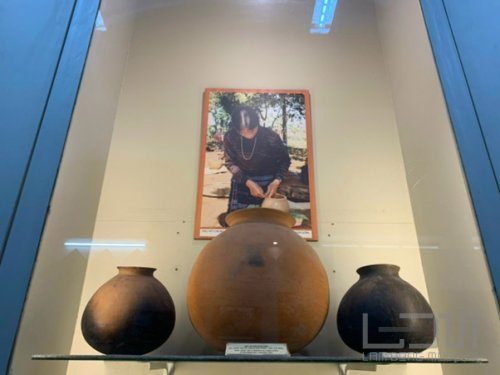
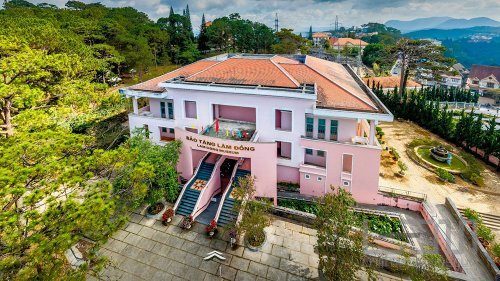
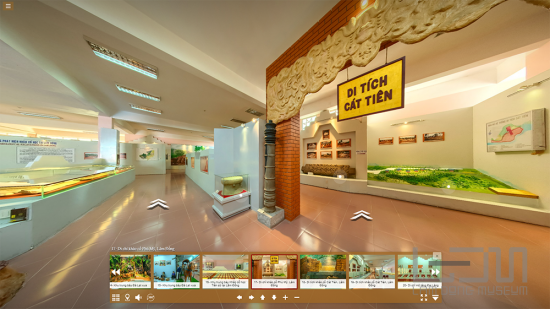
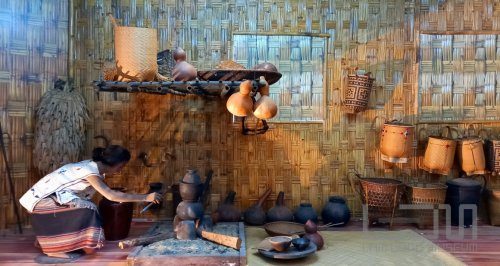
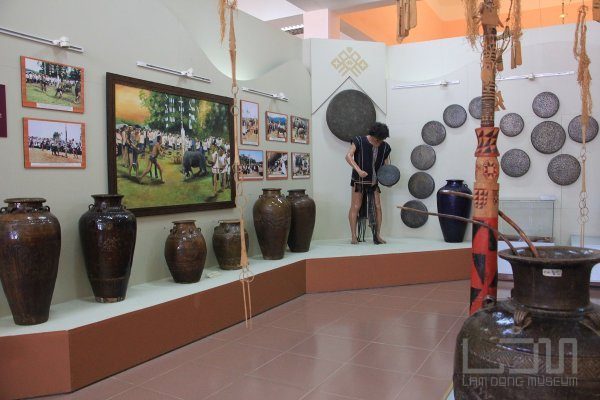
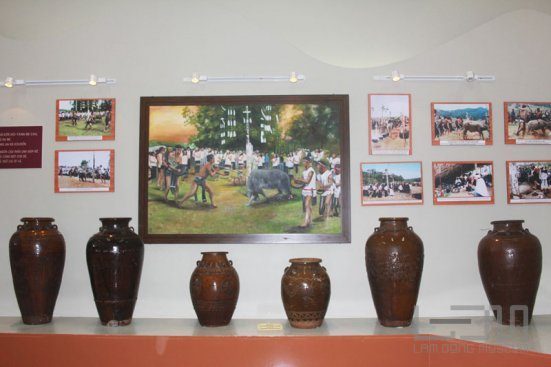
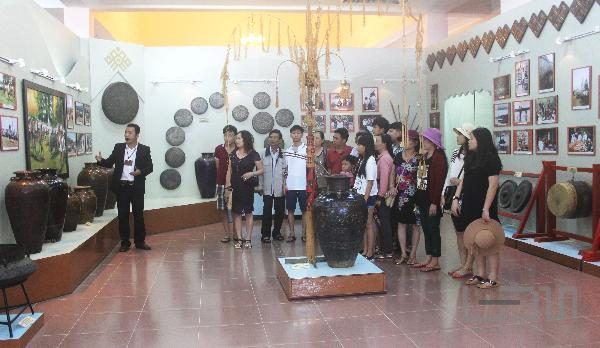
The betel chewing practice of the ancient Da Lat people is reflected in a group of artifacts being kept at the Lam Dong Provincial Museum, including betel jars, lime jars, betel mortars, spittoons... Betel jars are used to store and preserve betel and areca nuts; lime jar used to store lime for betel burning; The betel mortar is used to soften the ingredients before simmering; The spittoon is used to contain residue after eating. Each item is associated with a different stage, when placed in the same group of artifacts, it helps viewers better visualize how to prepare and use betel in past lives.
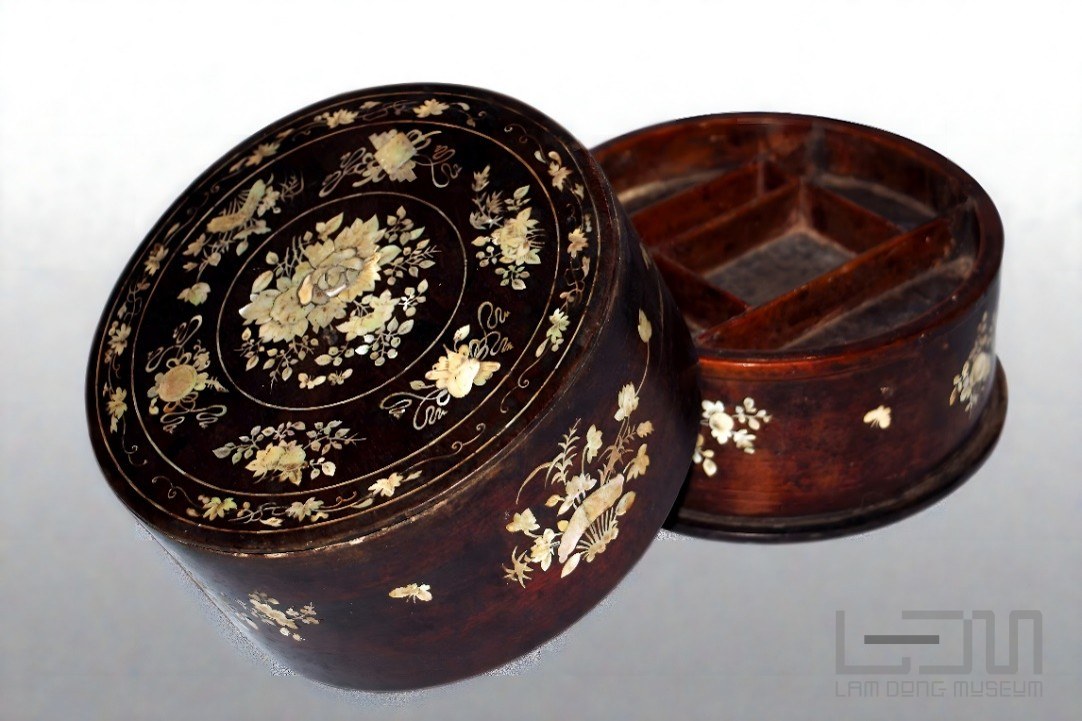
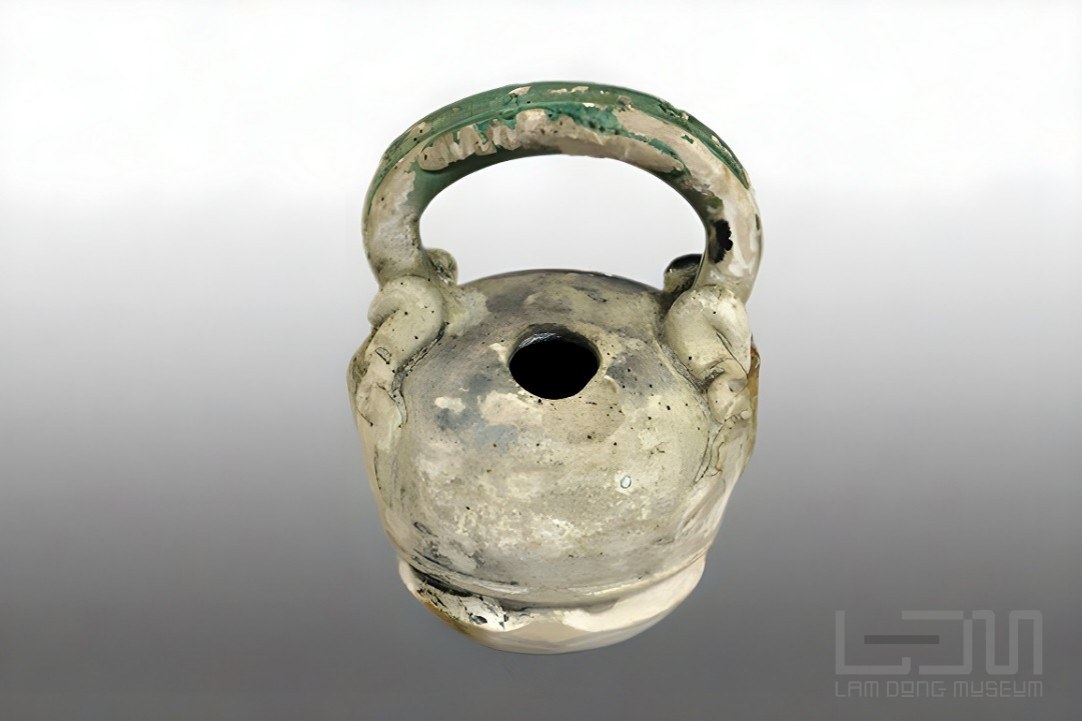
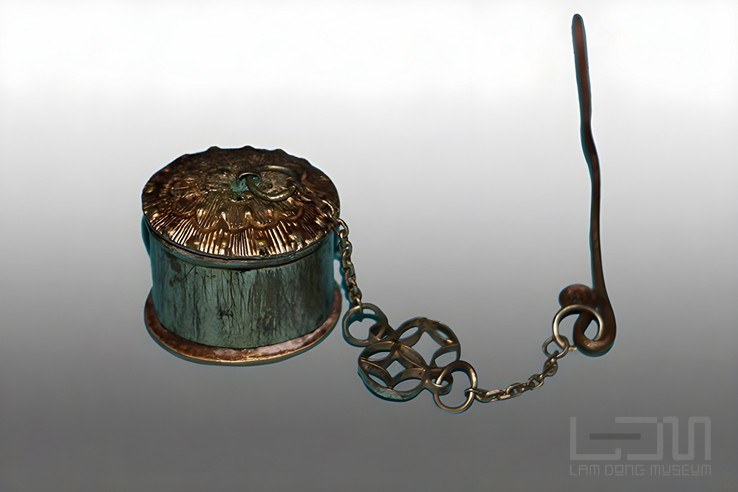
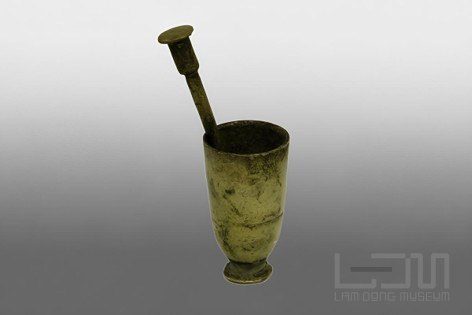

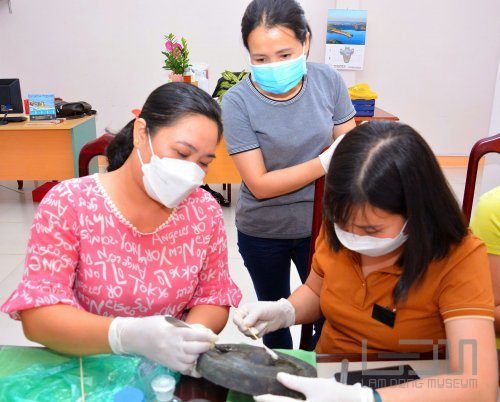
Not only the shape or material, traces on artifacts also provide valuable information about the actual use process. The worn surface of the mortar, the layer of lime still clinging to the jar, or the damaged areas due to frequent handling, show that these items were once present in daily activities. Through the traces on the artifacts, we can visualize the manipulation method, frequency of use and role of each item, contributing to clarifying their position in family life in the past.
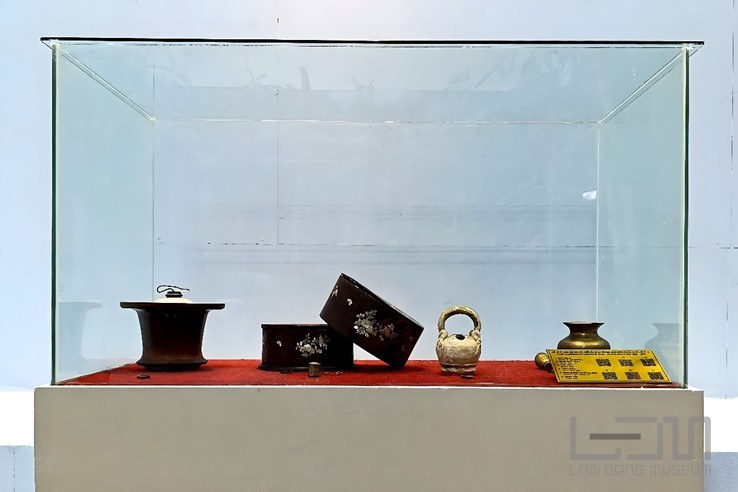
Over time, the custom of chewing betel gradually changed. TogetherWith the changes in social life, living conditions and habits of generations, betel chewing is becoming less and less popular. People who regularly chew betel are getting older, while the next generations are less likely to continue this practice. Along with that, familiar items such as betel jars, lime jars, betel mortars and spittoons are also gradually disappearing from family activities.
Today, the group of betel chewing artifacts kept at the Lam Dong Provincial Museum are valuable documents in understanding the lives of Da Lat residents in the past. From these familiar items, viewers can imagine how to prepare, brew and use betel, as well as part of the daily life and communication of ancient families. Thereby, the artifacts of the betel chewing custom contribute to preserving the image of a custom that was once closely associated with the lives of Da Lat residents and help today's generation understand more about the lifestyles that were present in ancient Da Lat life.