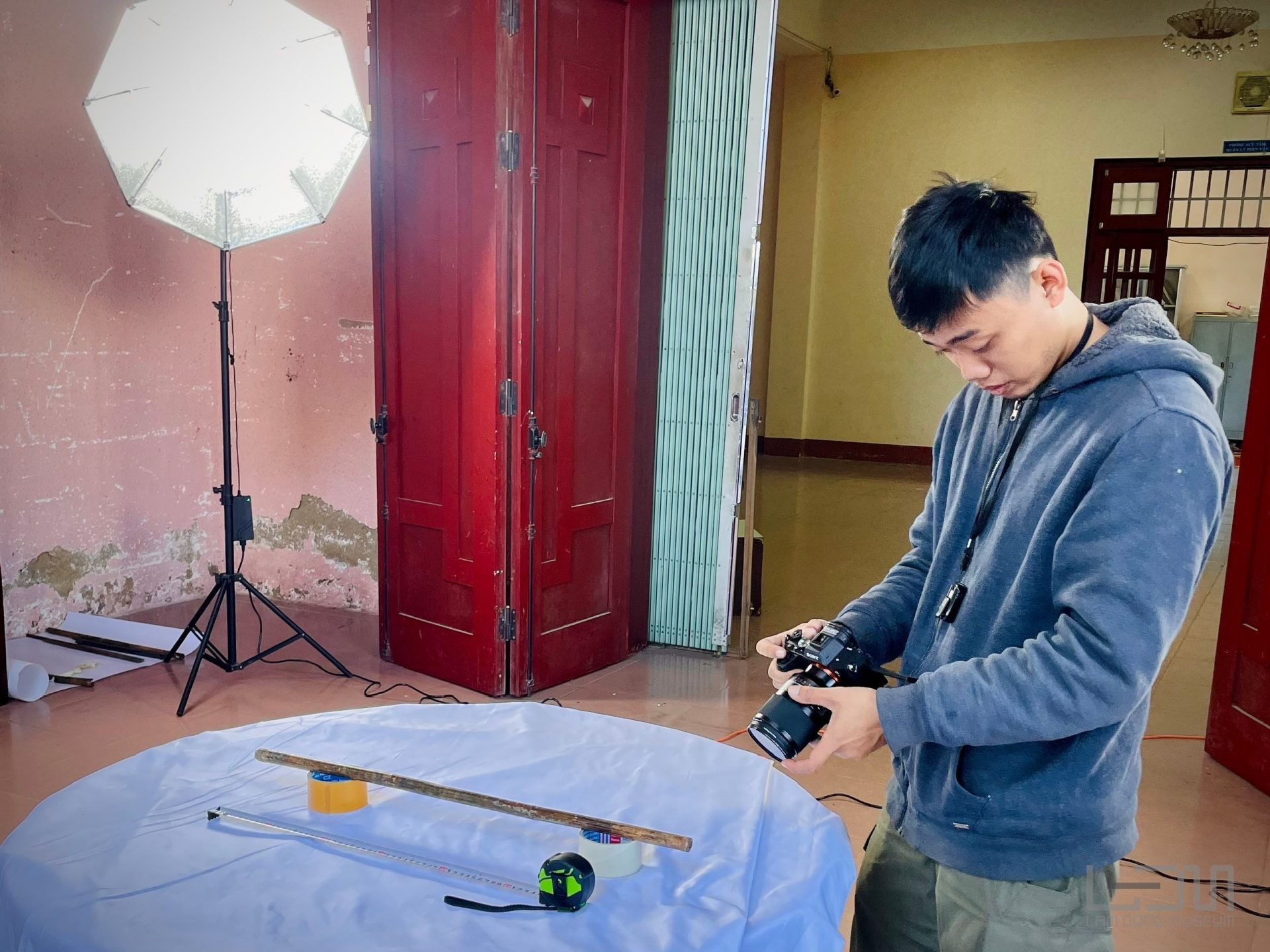
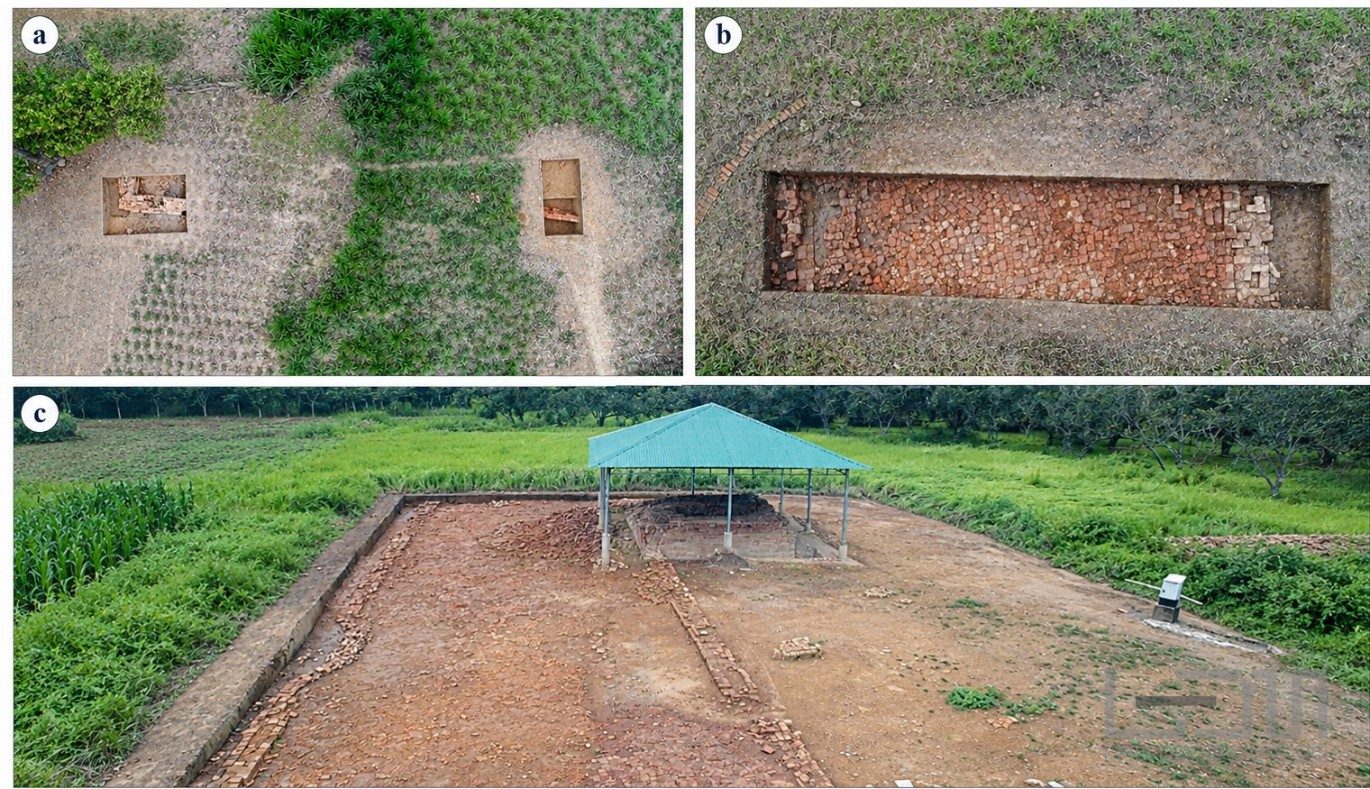
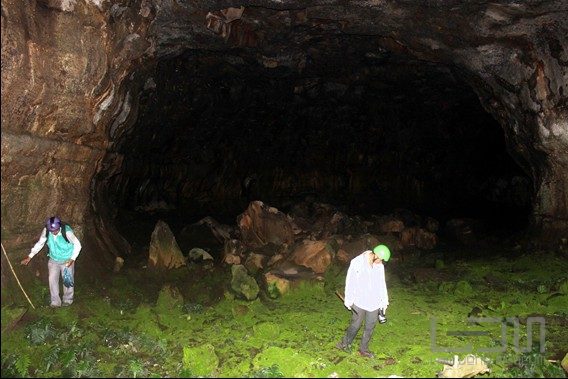
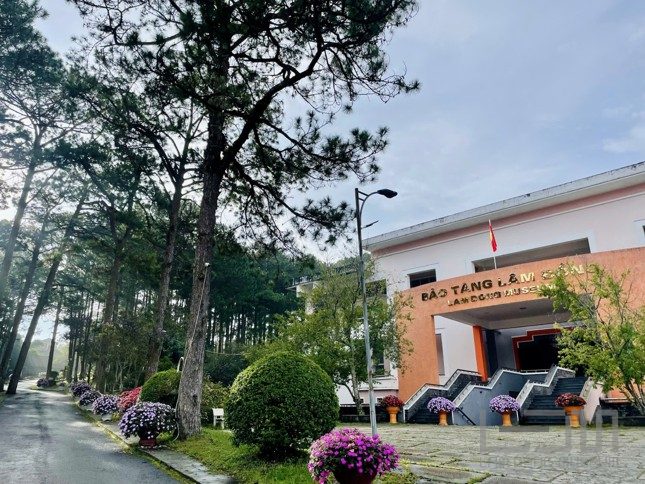
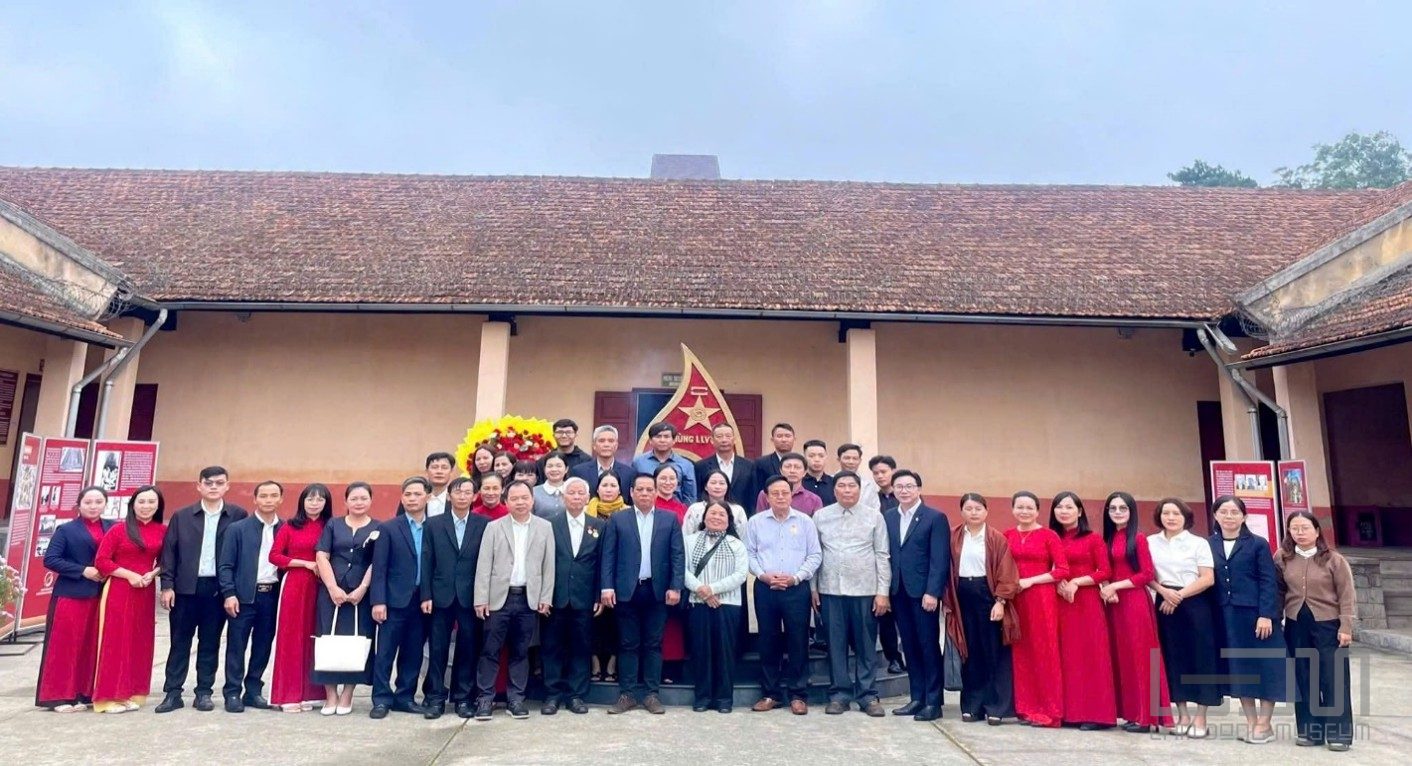
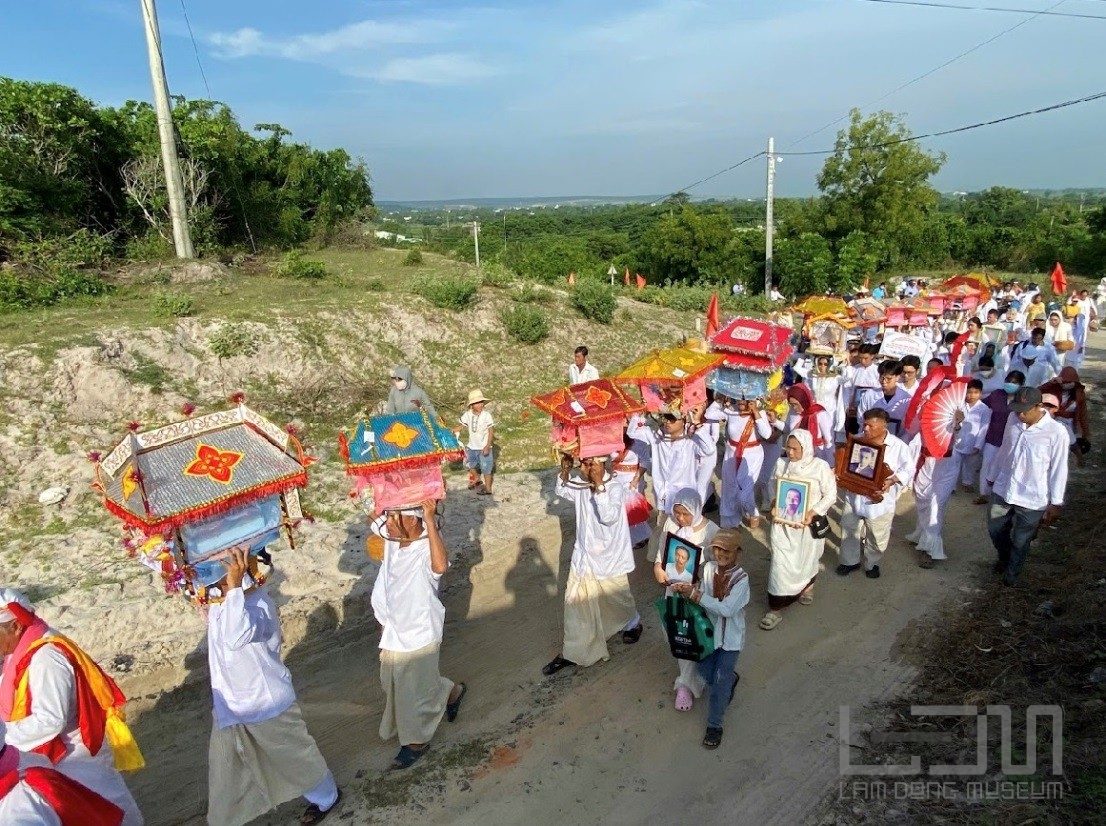
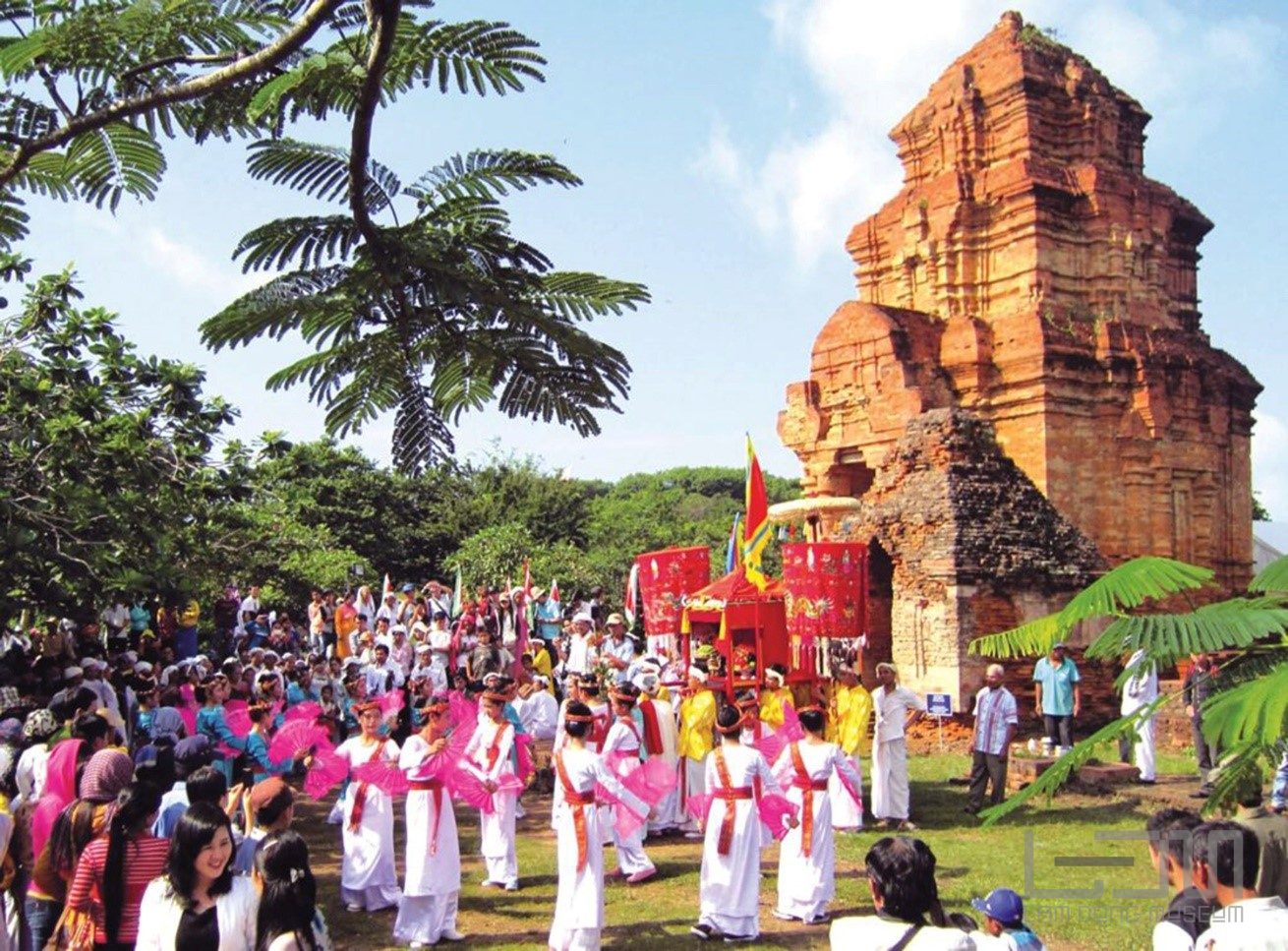
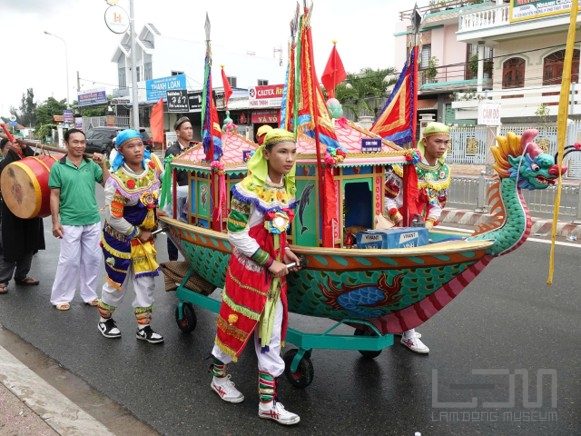
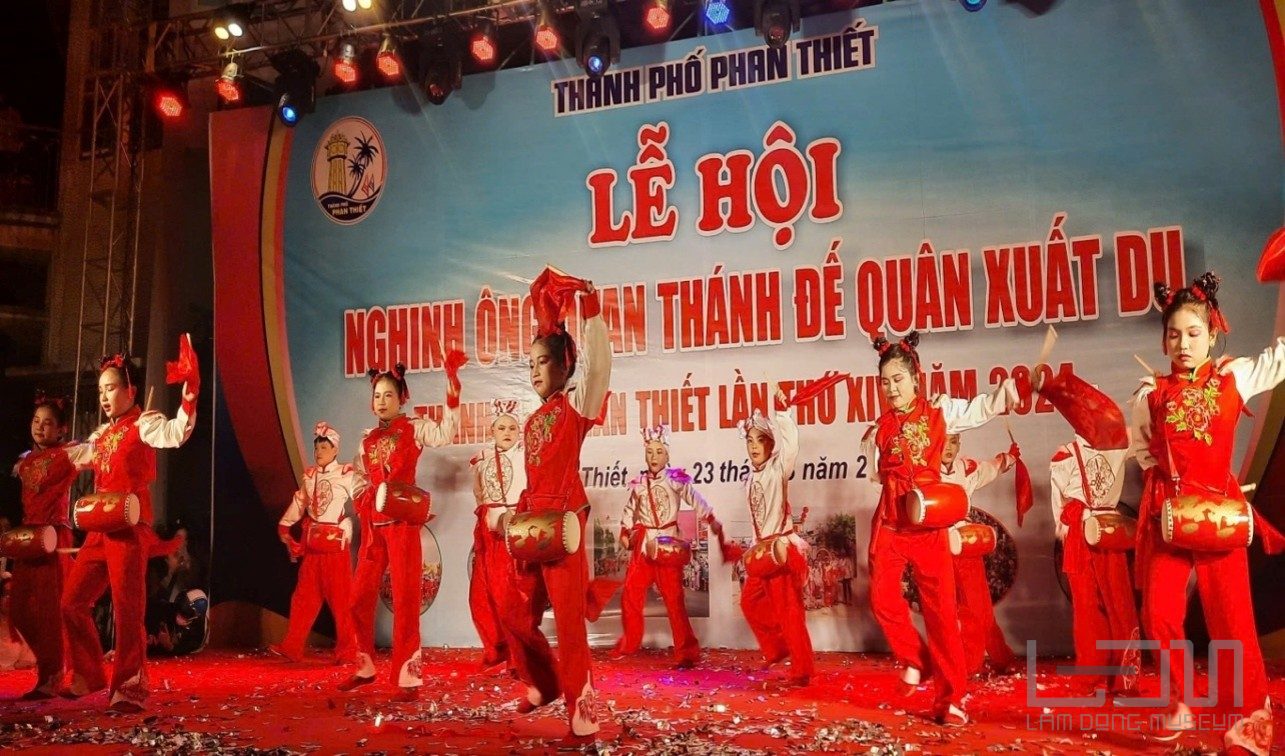
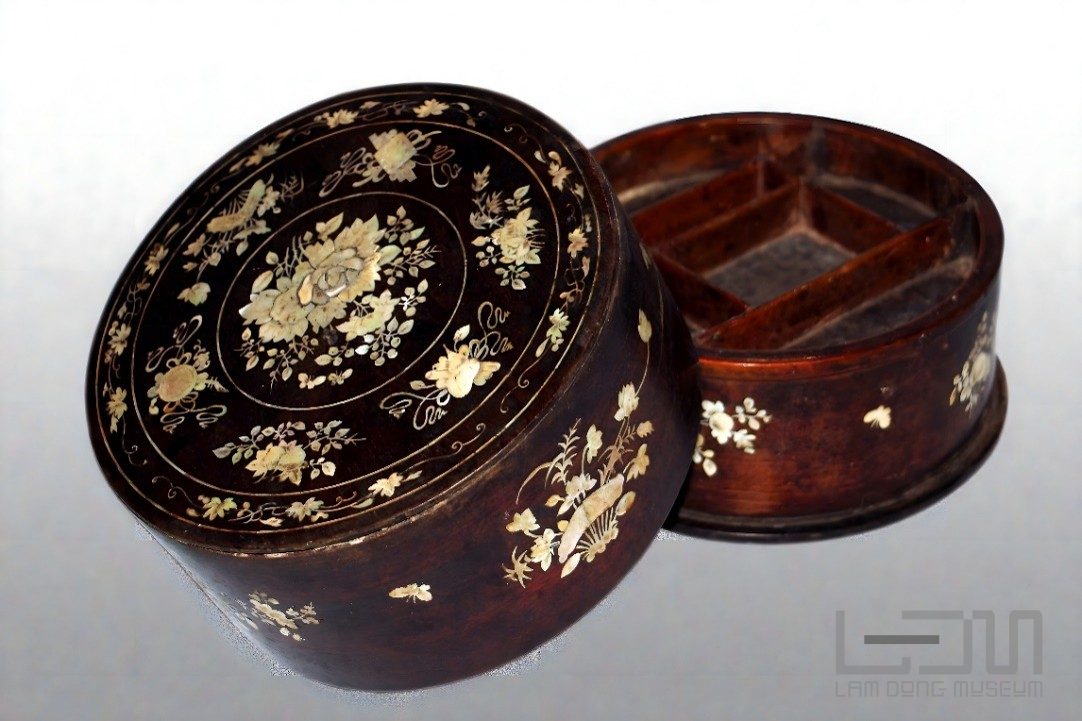
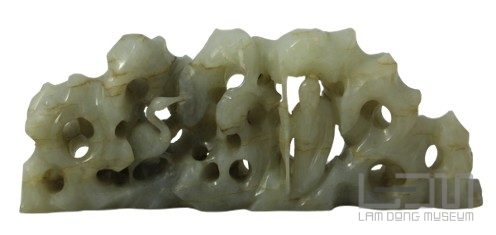
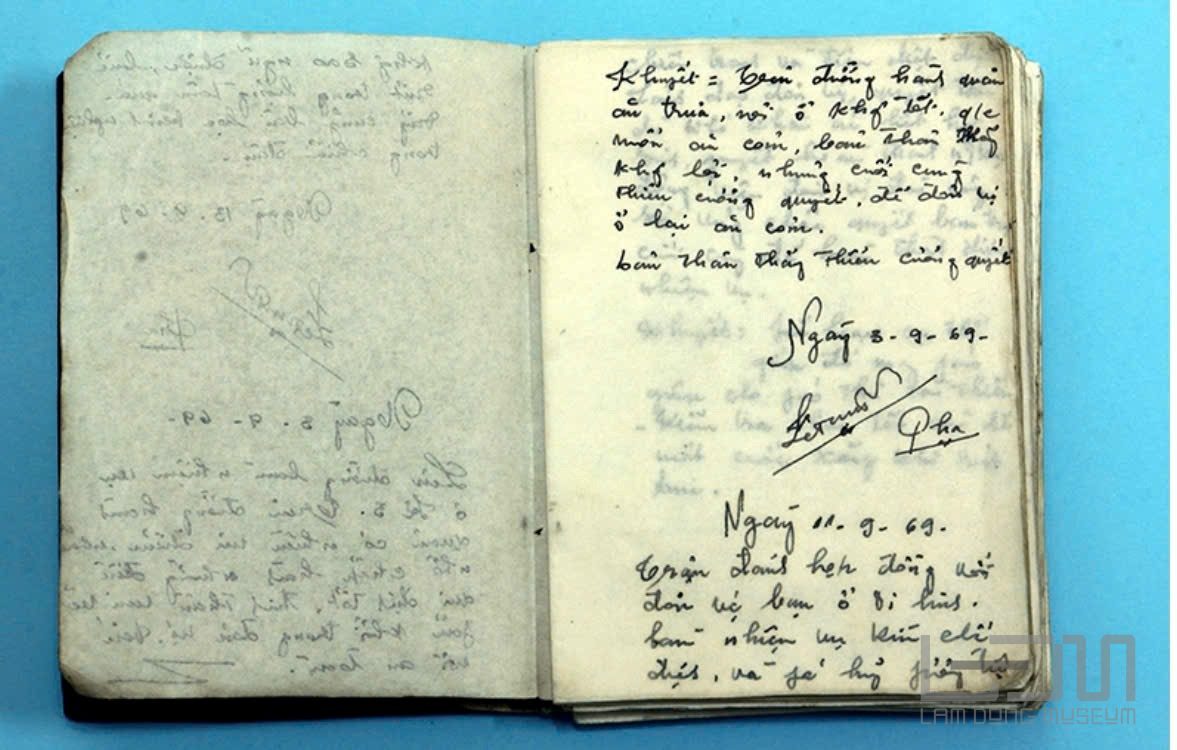
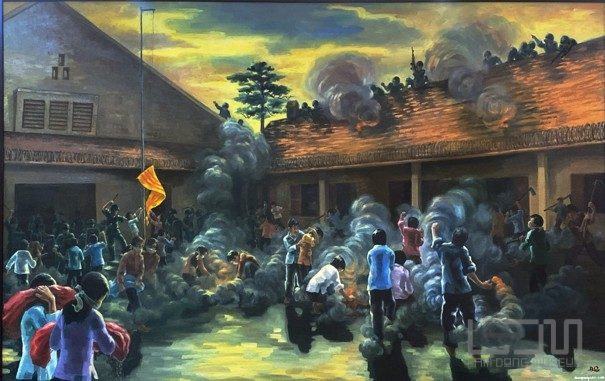
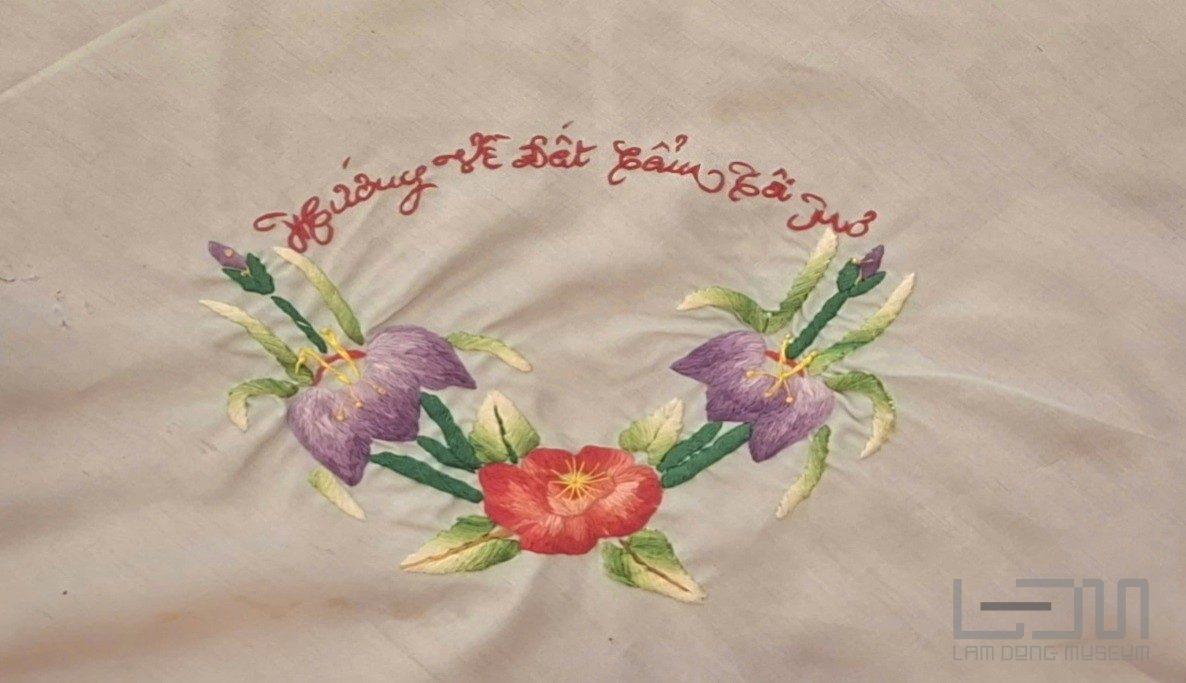
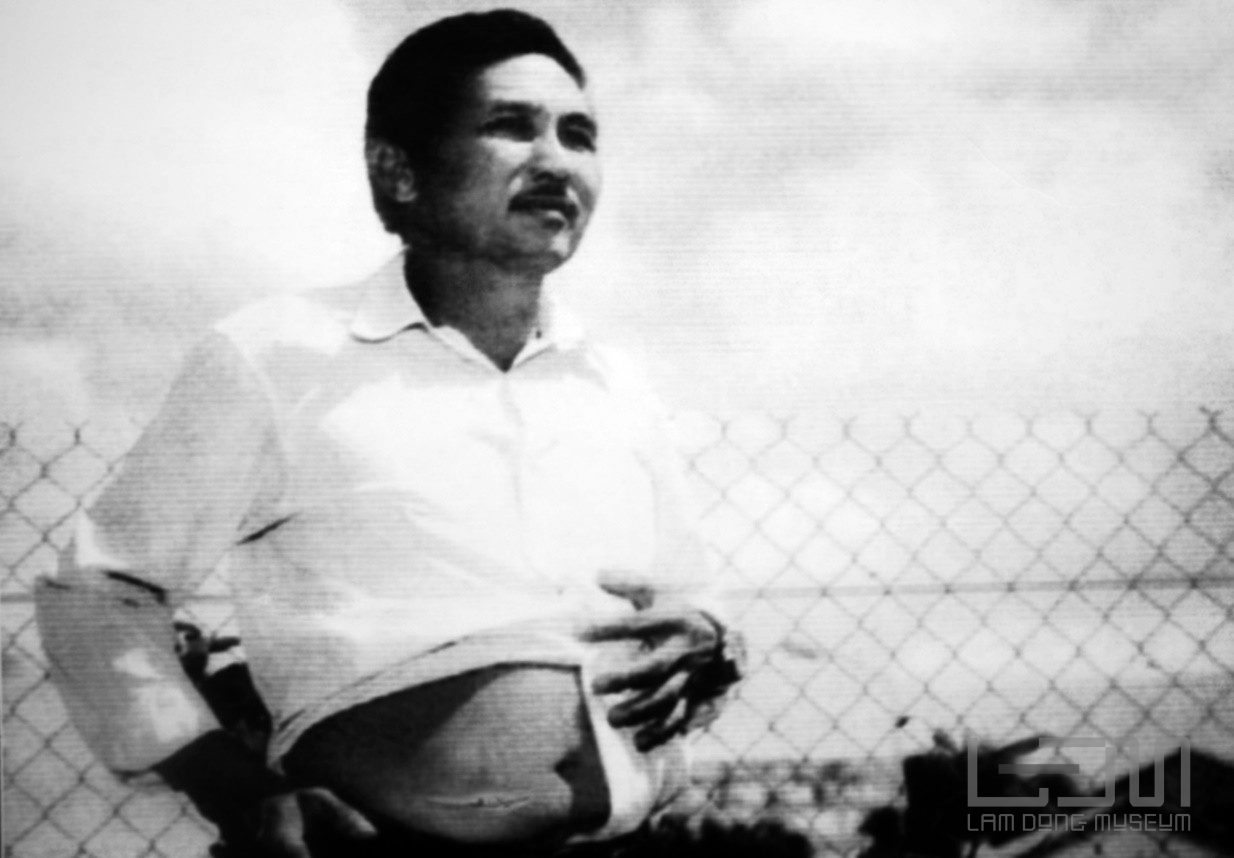
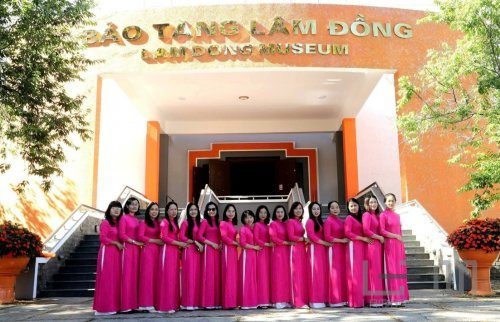
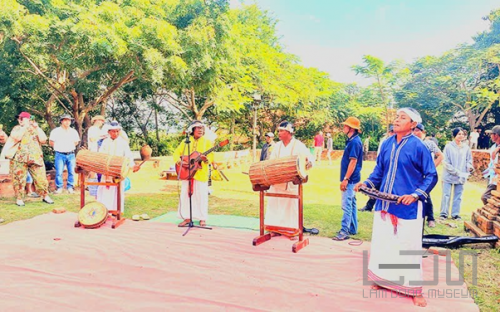
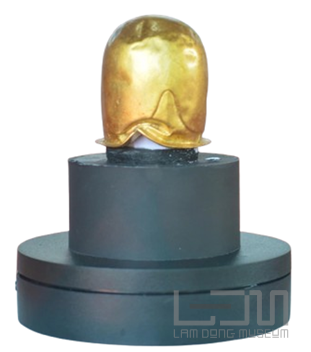
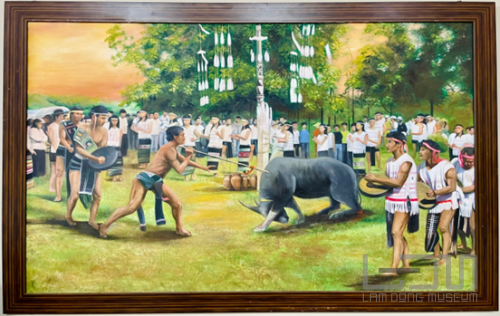
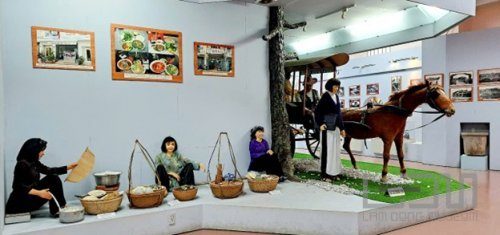
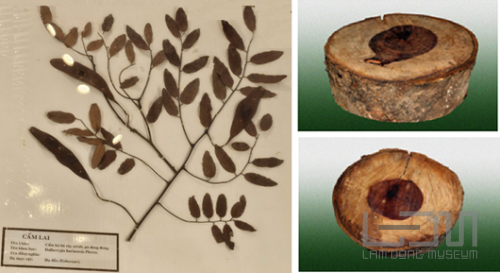
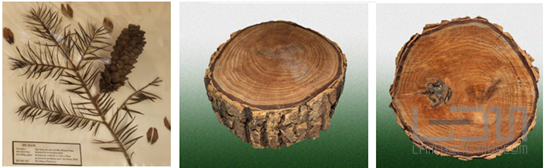
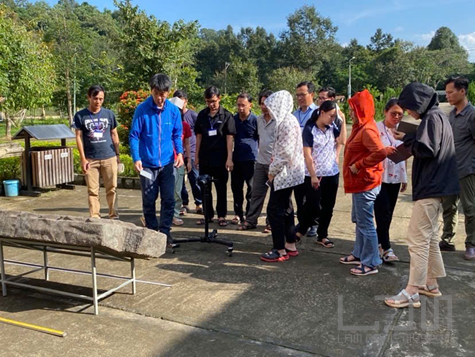
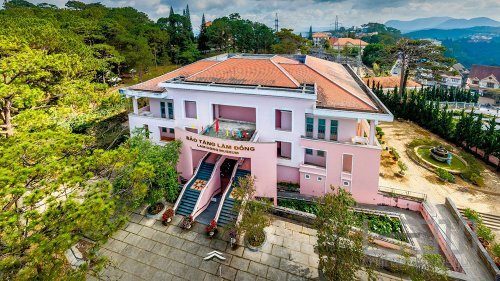
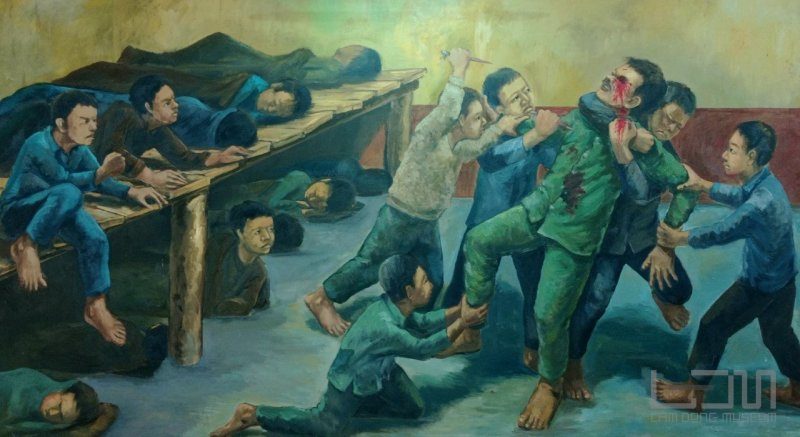
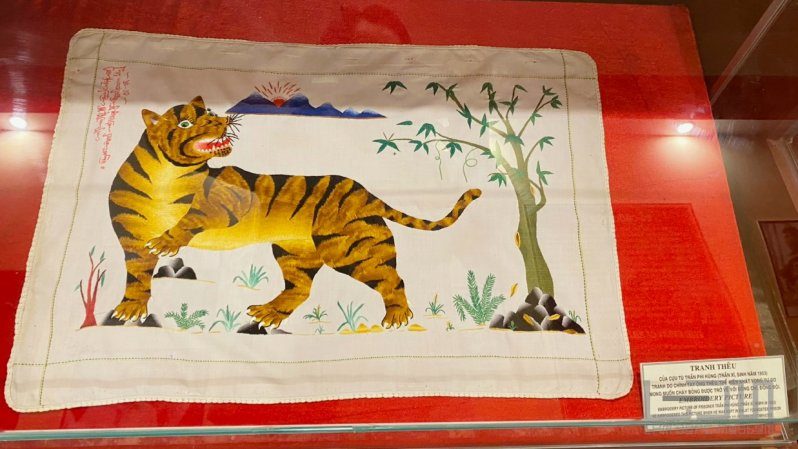
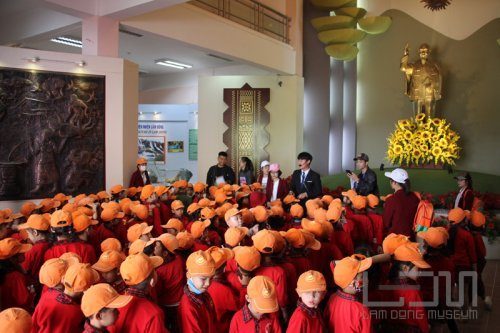
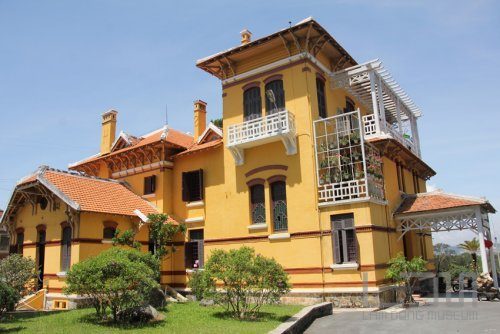
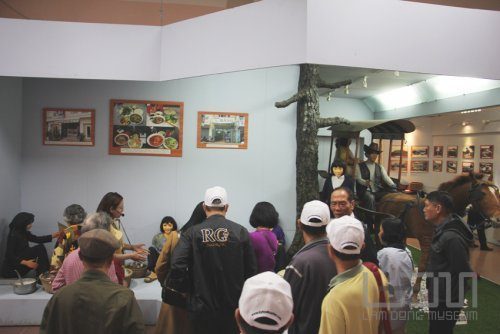
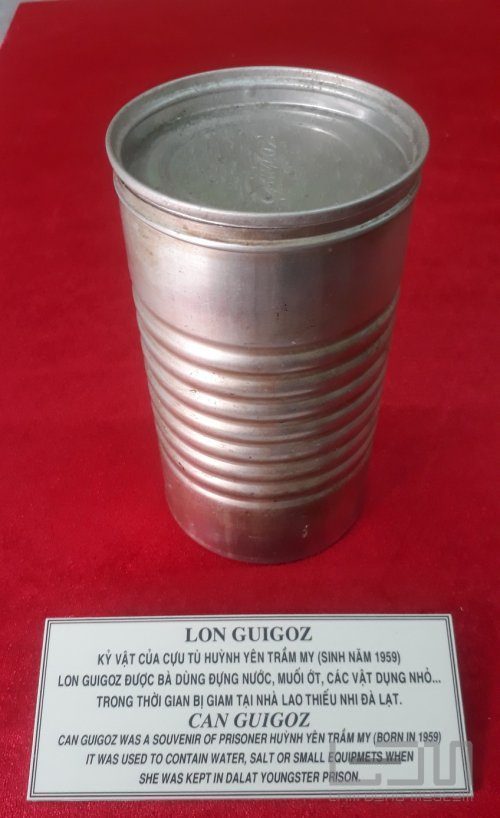
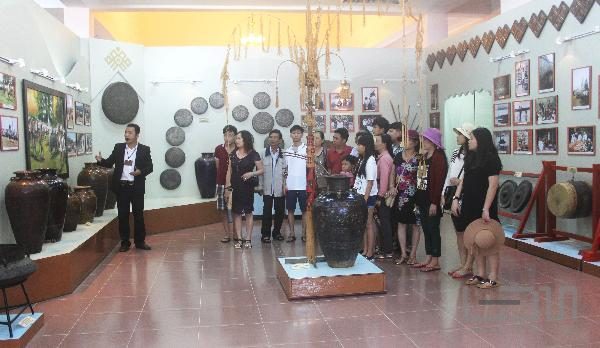
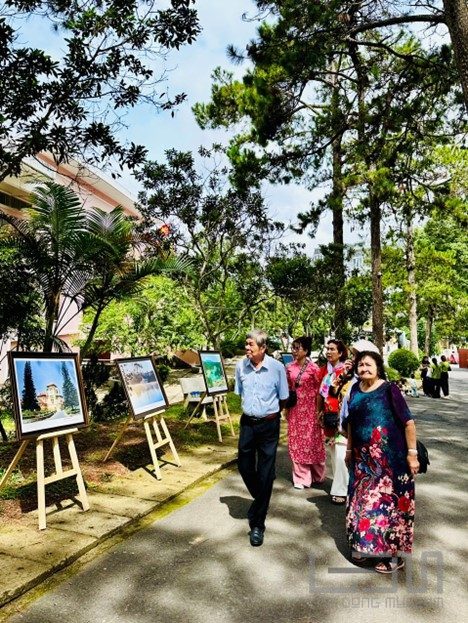
Behind each artifact in the museum's display space is a passionate journey of searching, connecting and preserving by collectors. It can be a journey to remote villages, old houses and kitchens of ethnic minorities, or meetings and conversations with people to learn about the origin, uses and stories associated with each souvenir. On that journey, the collectors of the Lam Dong Provincial Museum are the ones who quietly search and connect the past with the present, contributing to bringing the cultural values that are dormant in the community to the public.
Legacy Connectors
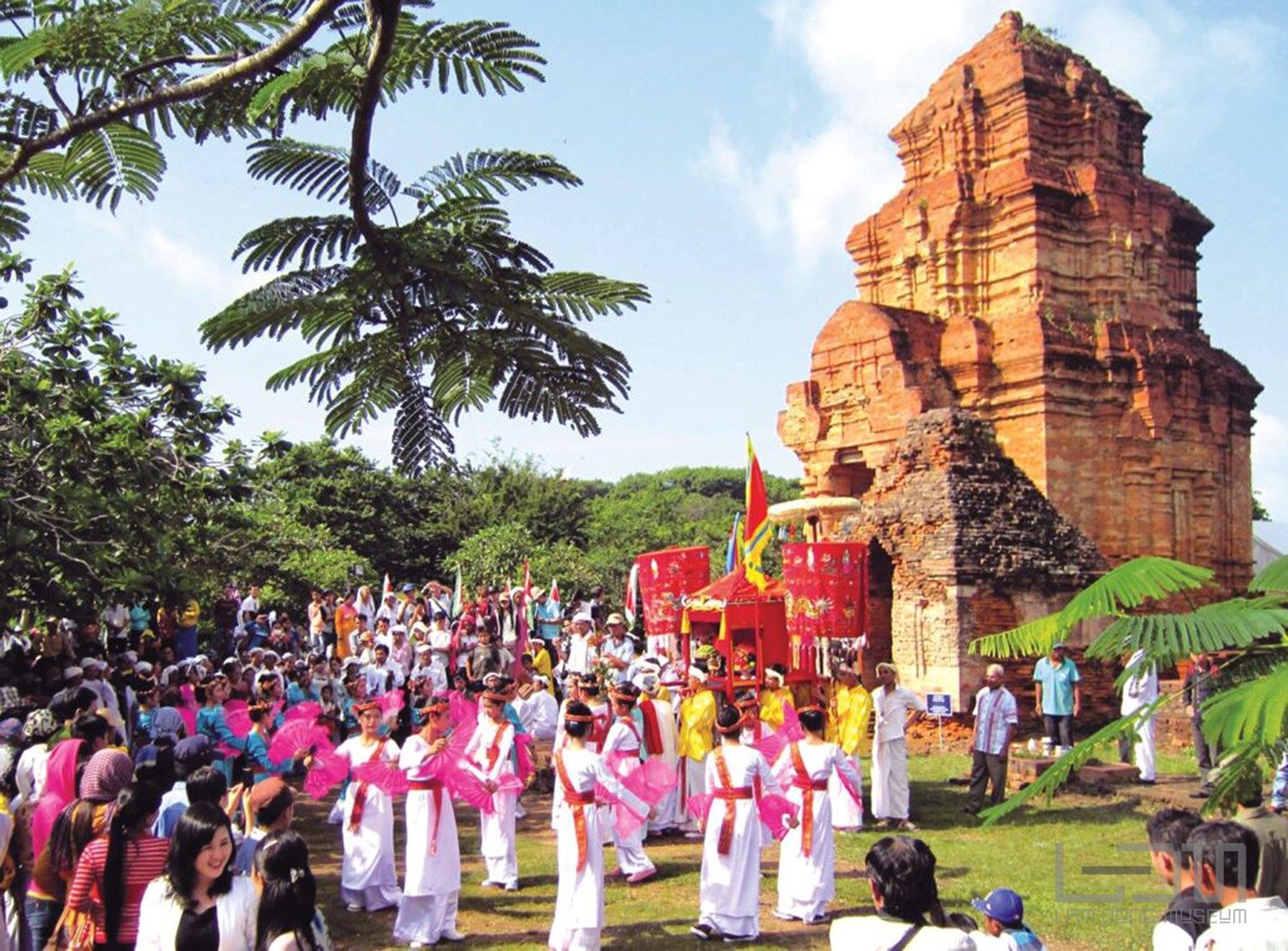
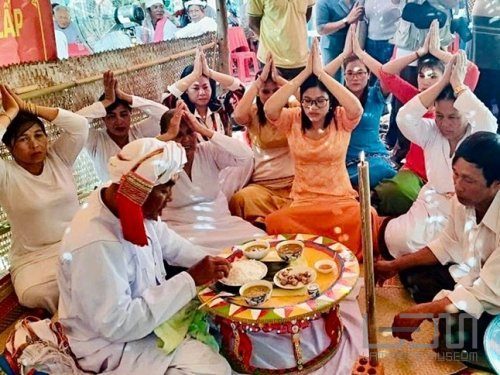
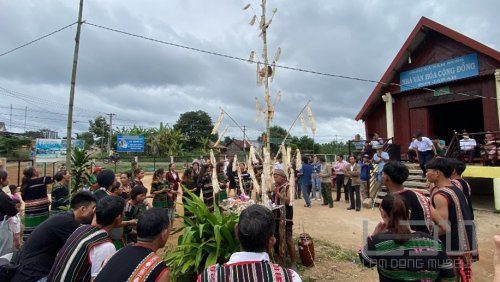
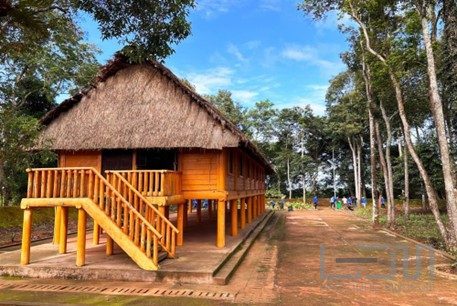
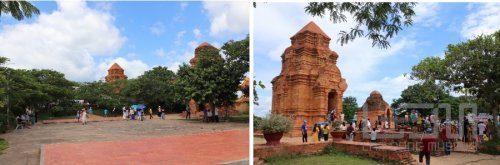
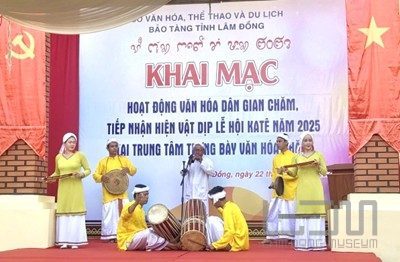
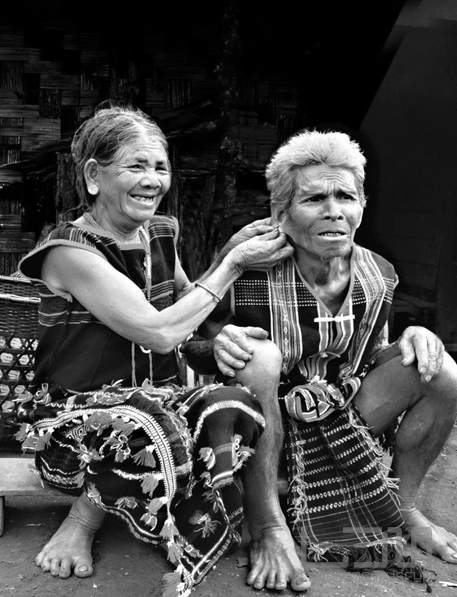
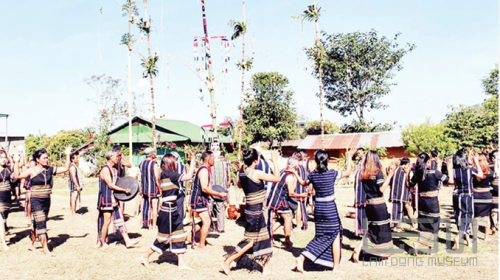
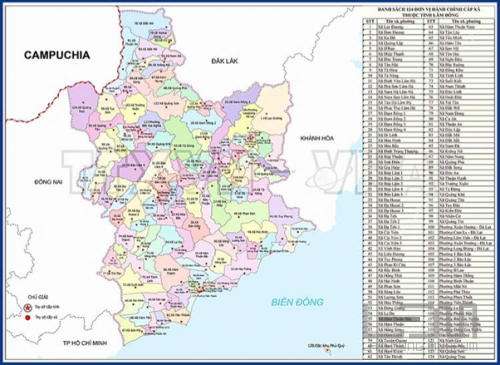
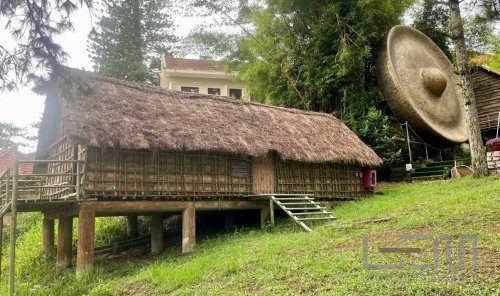
Collecting artifacts is not simply finding and receiving objects of historical and cultural value to add to the museum's warehouse. It is also a process of reaching out to the community, learning about life and customsCultural practices and values are passed down through generations. With the characteristic of being a locality with many ethnic groups living together, Lam Dong possesses a rich source of tangible cultural heritage, associated with the working life, activities, beliefs and traditional customs of ethnic communities.
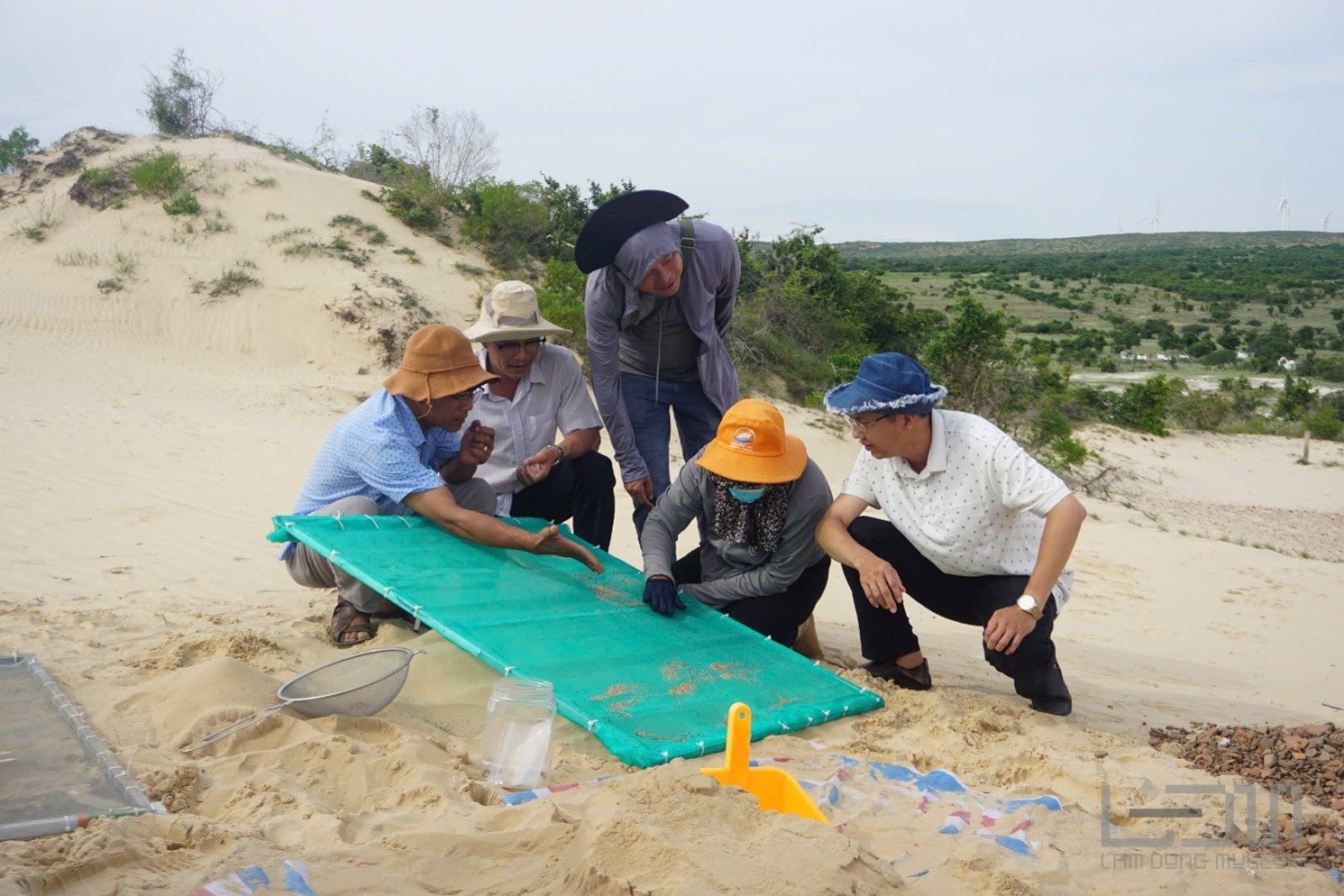
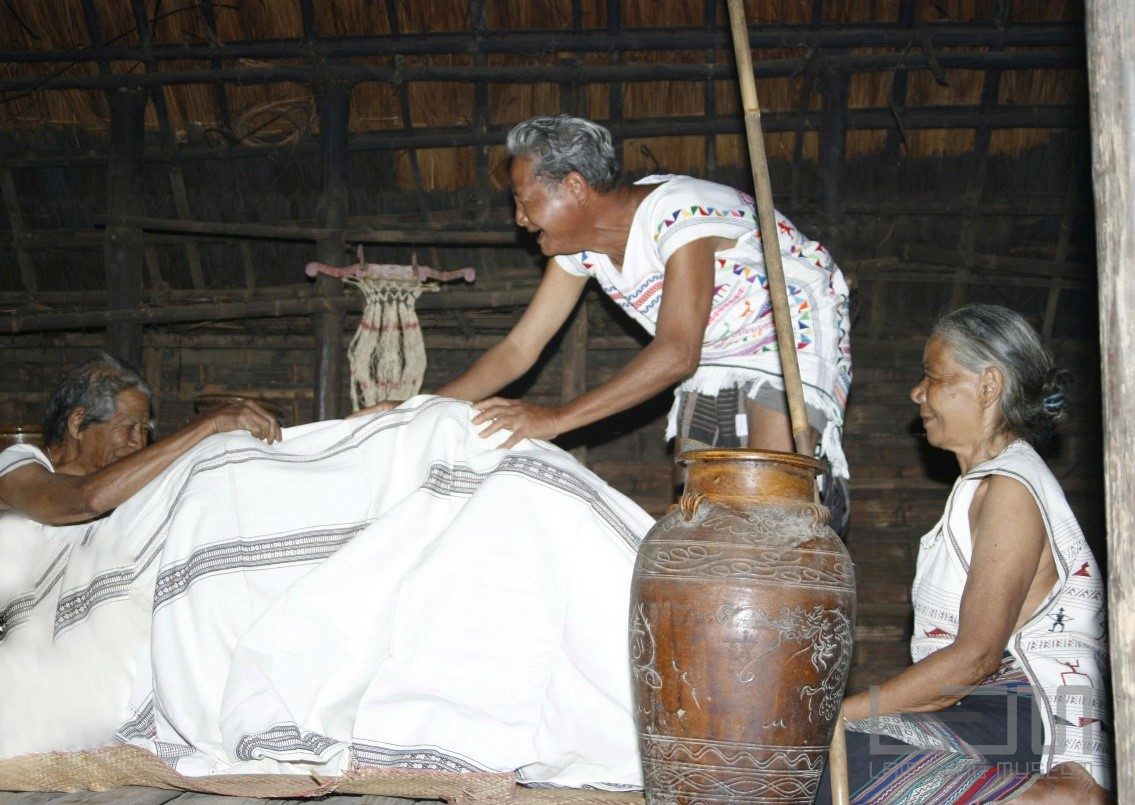
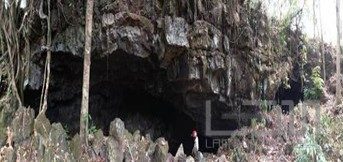
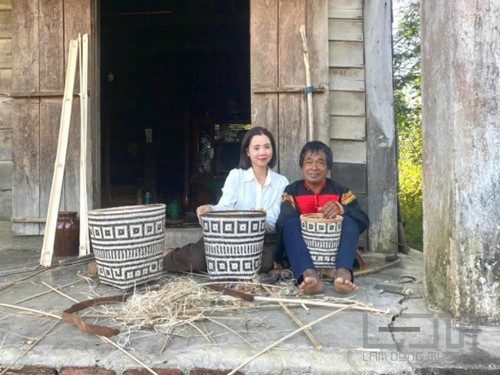
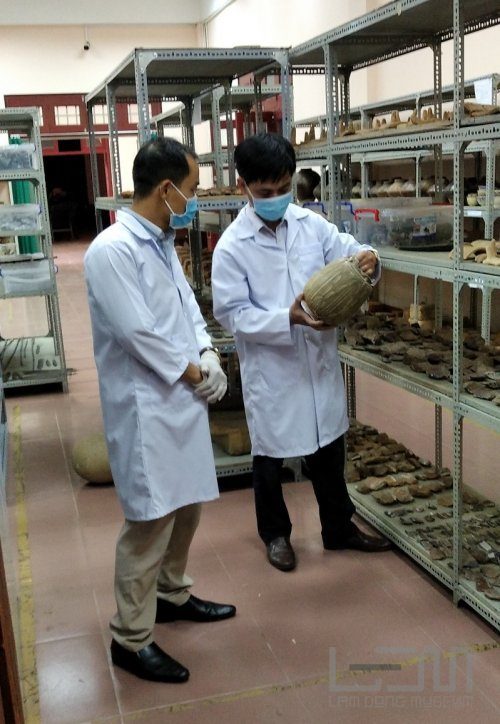
To find a valuable artifact, collectors must spend a lot of time surveying the area, finding families that still preserve traditional objects, meeting artisans, elders and people knowledgeable about local culture. There are artifacts found in everyday life, but there are also artifacts that are waiting for people to wake them up, having to go through many contacts, campaigns and explanations for people to understand the meaning of bringing the artifacts back to the museum.
In each meeting, collectors not only introduce the museum's activities, but also listen to people's stories. Because many artifacts are not simply used items, but are also associated with family memories, family customs, community cultural activities and a part of the owner's life. That's why, the next jobReaching out and mobilizing people to donate artifacts requires perseverance, ingenuity, sincerity and above all respect for the values that the community is preserving.
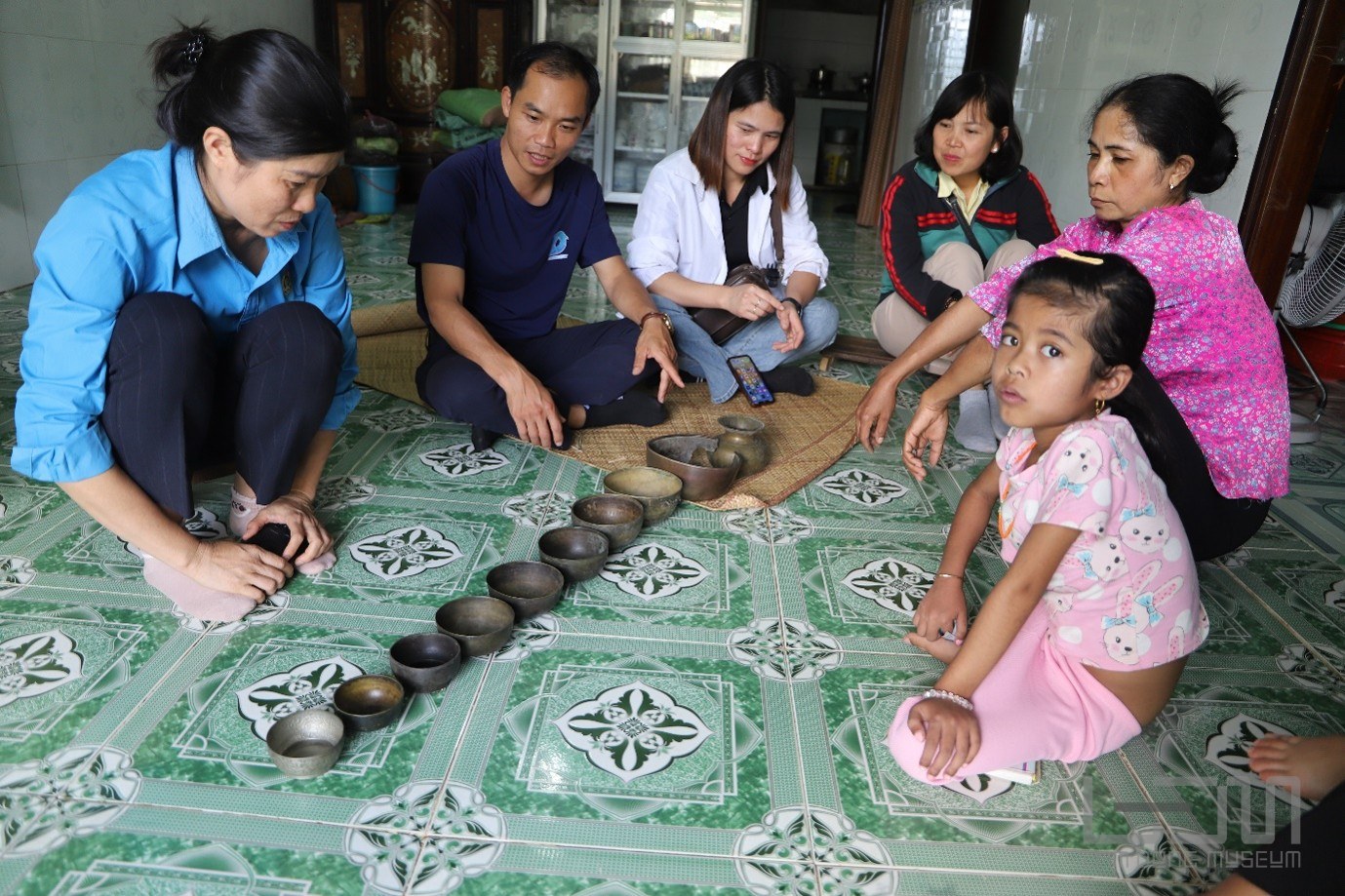
It can be said that collectors are the bridge between people and museums, between the cultural values existing in the community and the work of preserving and promoting heritage values. Their achievements are sometimes not expressed in numbers or results seen right before their eyes, but in each artifact received, each story recorded and each cultural value passed down to future generations.
Overcoming difficulties to bring heritage to the museum
In the context of increasingly changing social life, the work of collecting national cultural artifacts is facing many difficulties. The process of urbanization, changes in production and living methods, along with the impact of cultural exchange have made many objectsThe tradition is gradually being used less and less. Some artifacts are only kept in families, others have been lost, damaged or replaced by modern items.
Notably, many memorabilia with cultural value are currently scattered in the community, mainly kept by families for many generations. There are seemingly ordinary items that receive little attention because they are no longer suitable for current life, but when carefully researched about their origin, uses and context of use, they contain important information about the cultural life of an ethnic community. However, not all people are fully aware of the historical and cultural value of those objects.
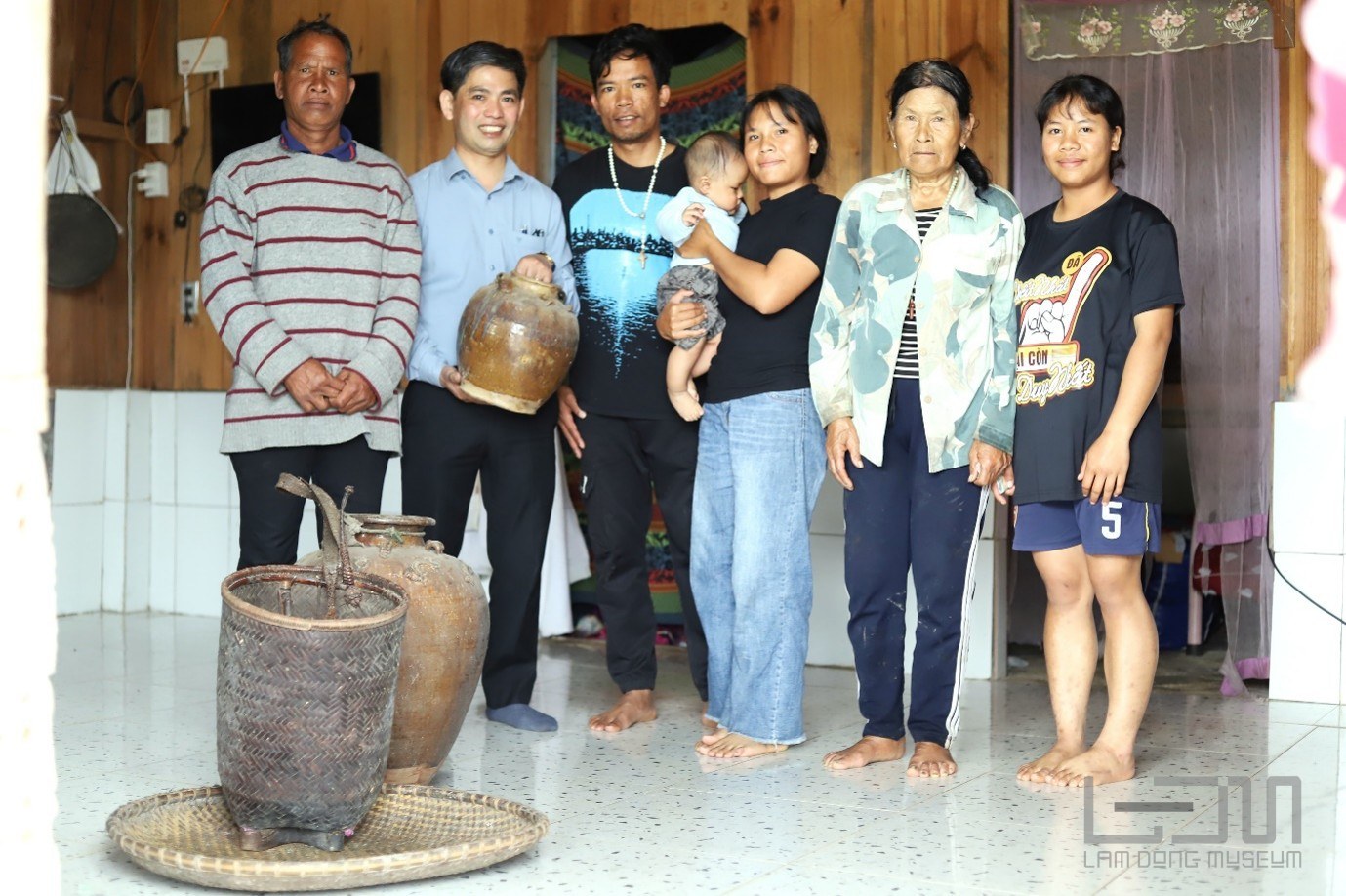
Besides, mobilizing people to donate artifacts is not always convenient. For many families, traditional items are souvenirs left by grandparents and parents, associated with sacred memories and feelings. There are items that were used in festivals, traditional ceremonies or daily activitiesfamily, so the owner cannot easily give it away. Some artifacts also have use value, spiritual value or specific meaning to families and communities.
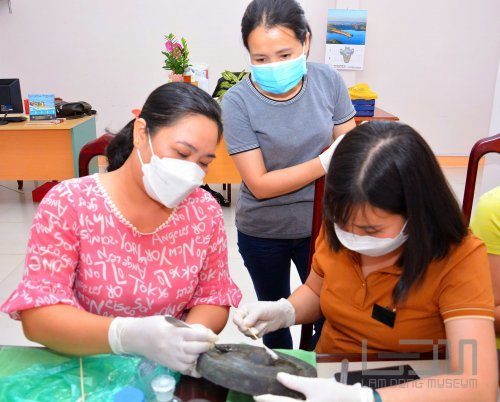
Faced with that reality, collectors must persistently explain and persuade people to understand that donating does not mean losing a souvenir, but is a way to continue preserving and spreading its value. When received, researched, inventoried, preserved and introduced to the public by museums, artifacts are not only better protected, but also have the opportunity to tell the cultural story of the community that created and used it.
The precious thing in the collection is not only the number of artifacts added, but also the trust and consensus of the people. Each donated artifact is a tribute, a sentiment and desire of the people to preserve the cultural values of their nation. That is also the motivation for collectors to continue overcoming difficulties, finding new lands, meeting new people and discovering more existing values in community life.copper.
From artifacts to cultural stories promoted at the museum
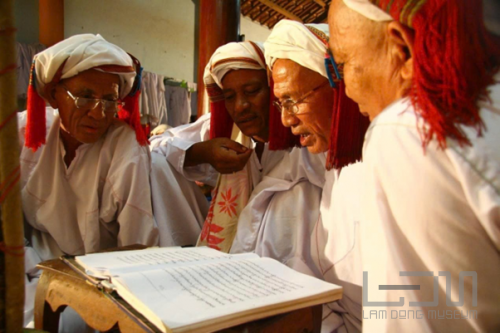
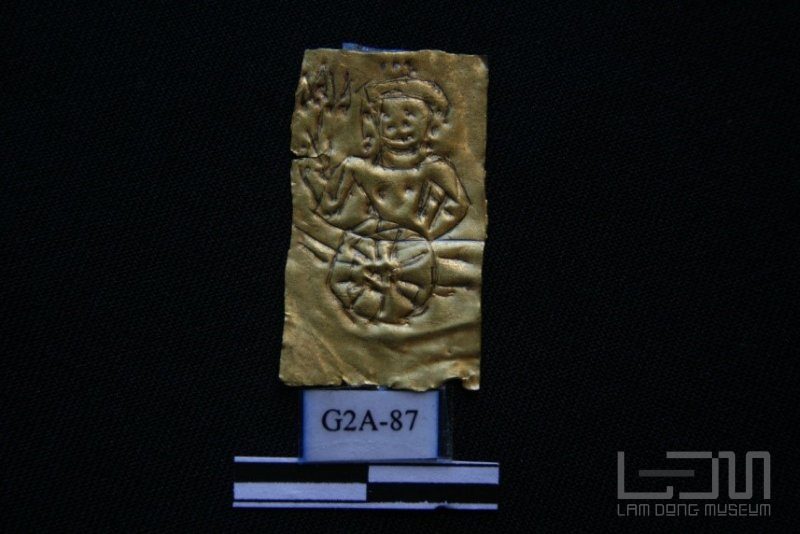
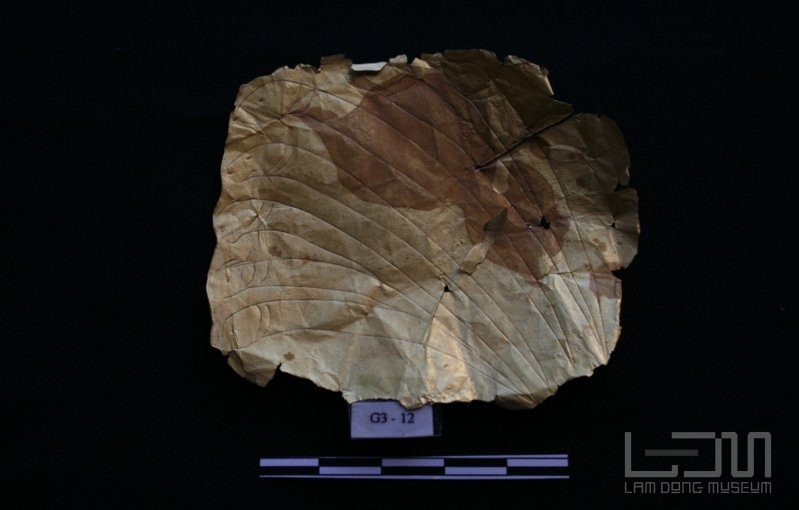
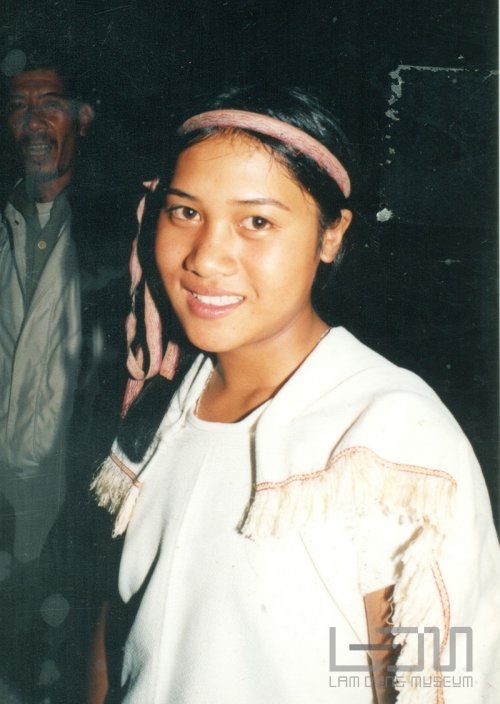
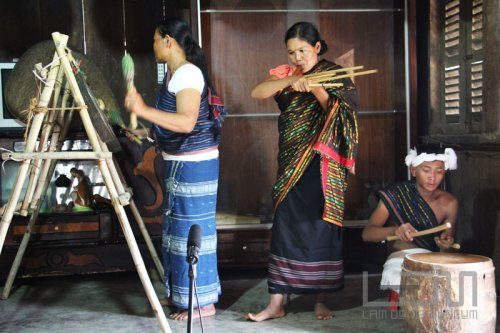
An artifact brought to the museum does not just stop at being added to the archive. The value of an artifact is also demonstrated through the process of researching, verifying its origin, understanding its uses, context of use and the cultural meanings associated with it. In particular, for artifacts of ethnic minorities, information provided by people, artisans and people knowledgeable about culture is important in identifying and clarifying the value of artifacts.
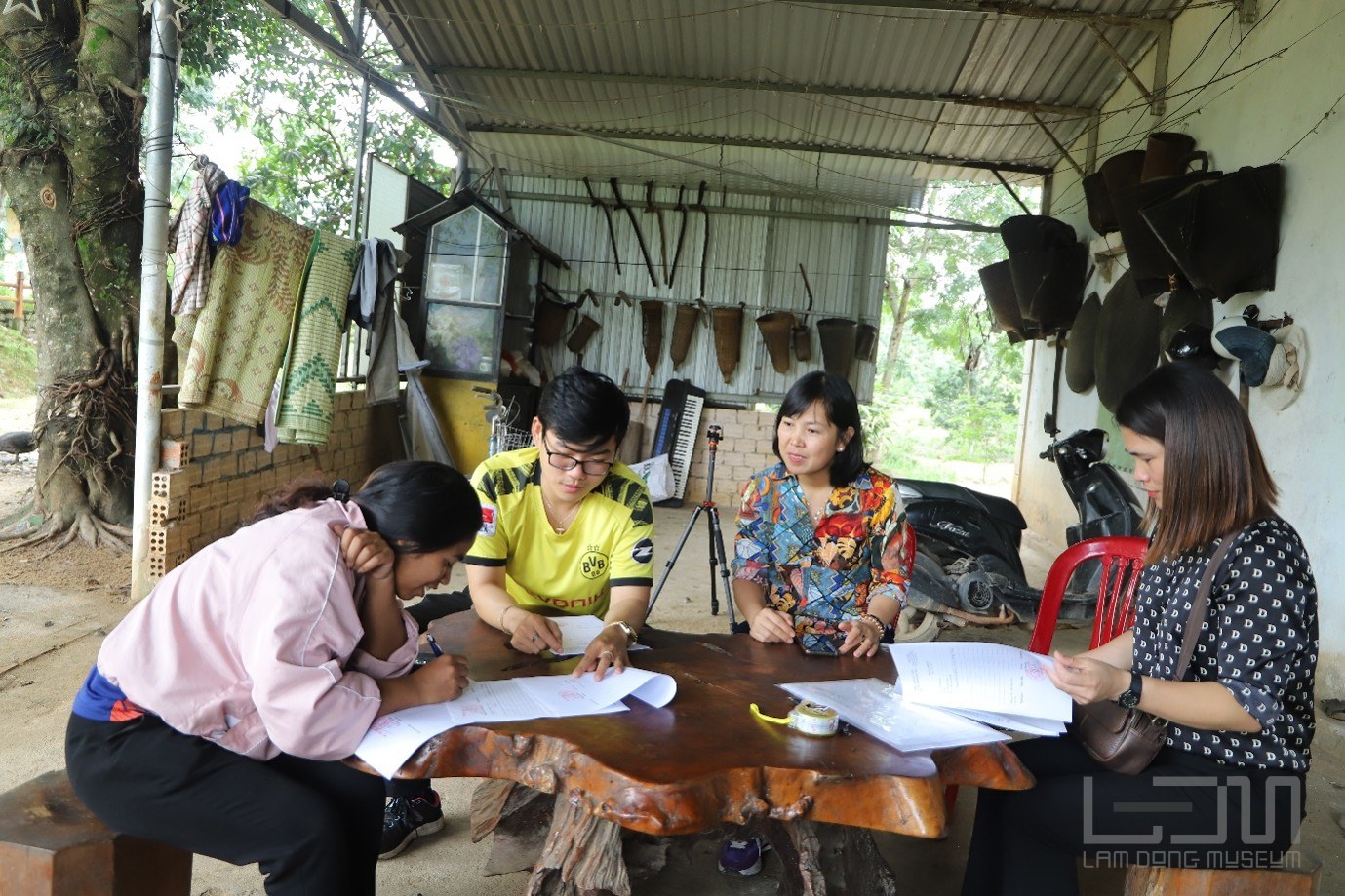
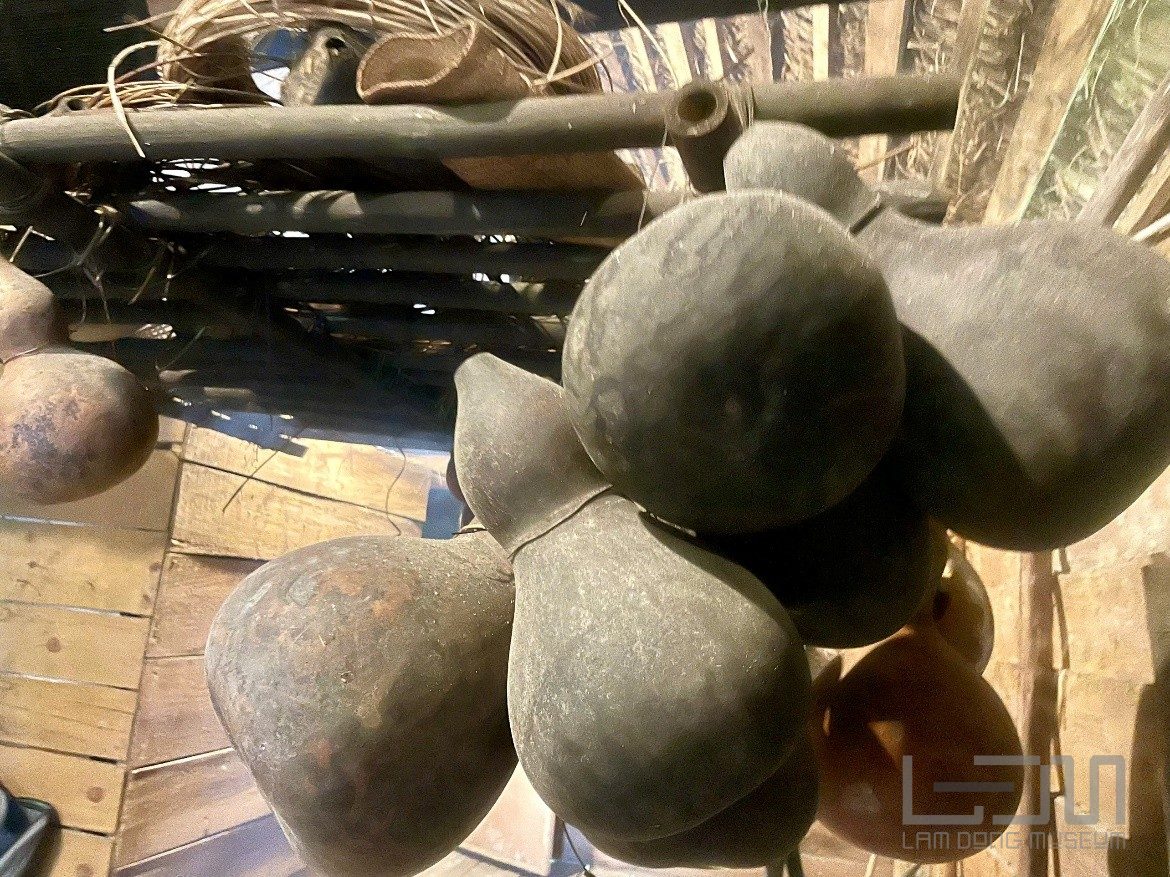
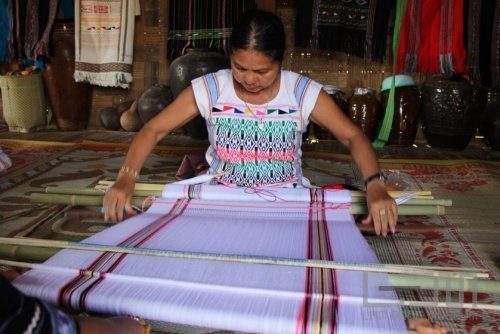
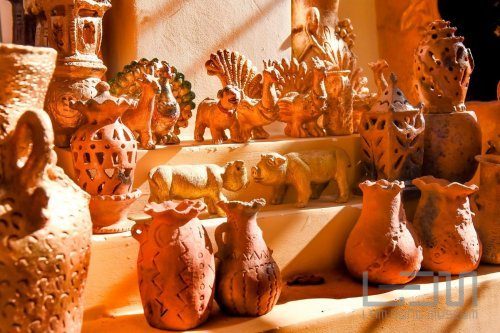
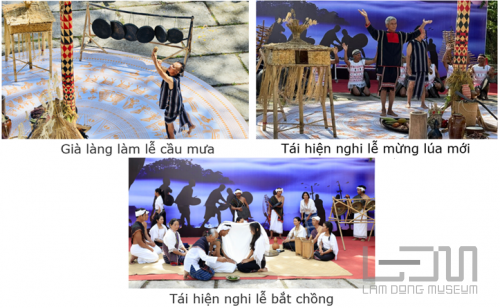
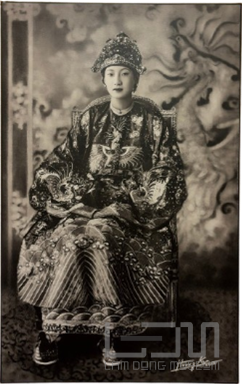
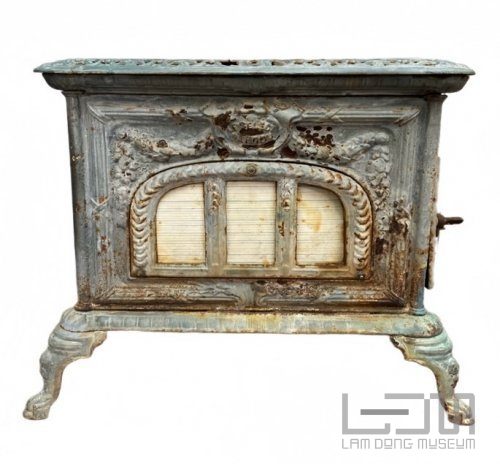
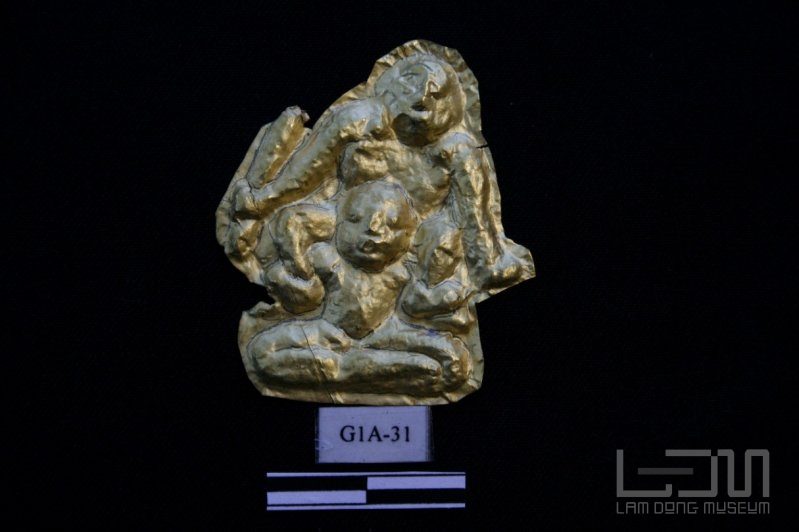
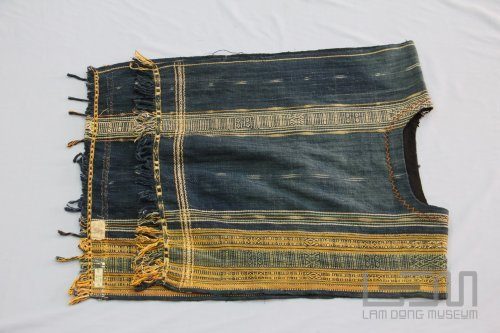
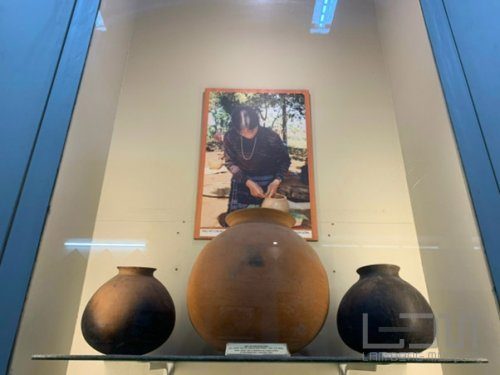
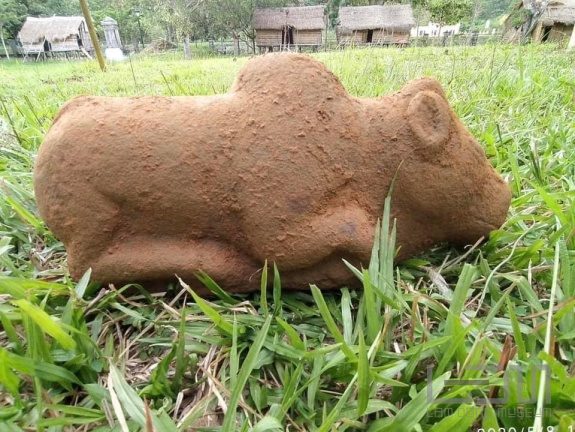
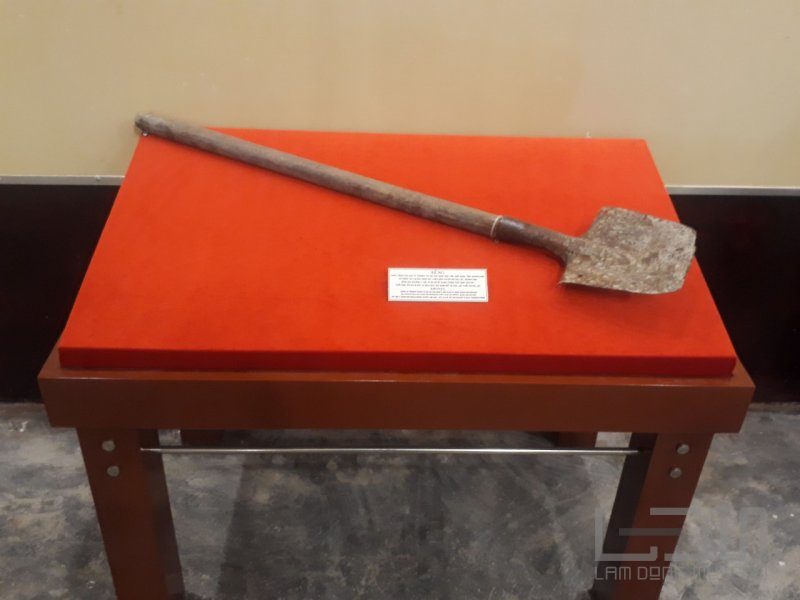
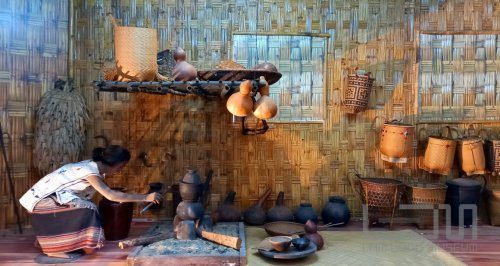
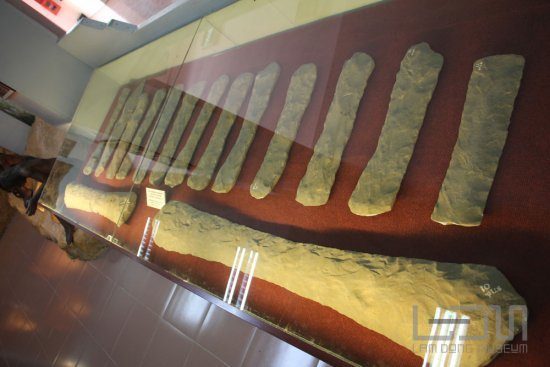
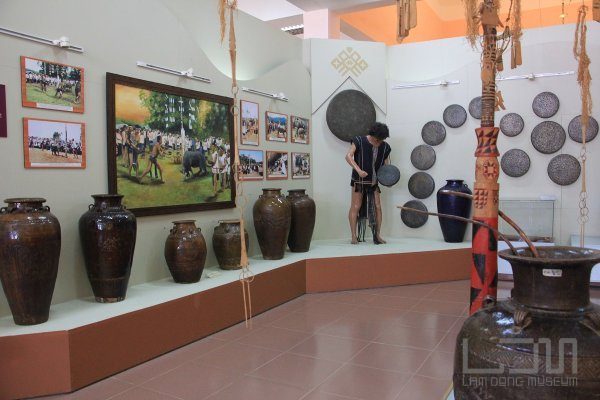
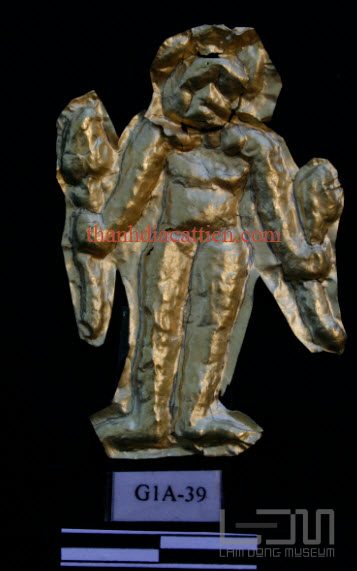
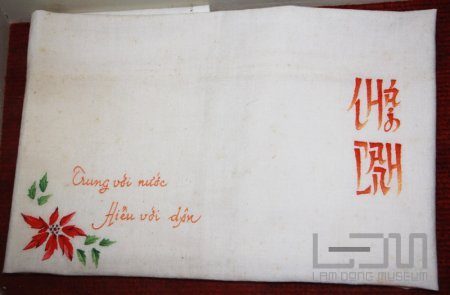
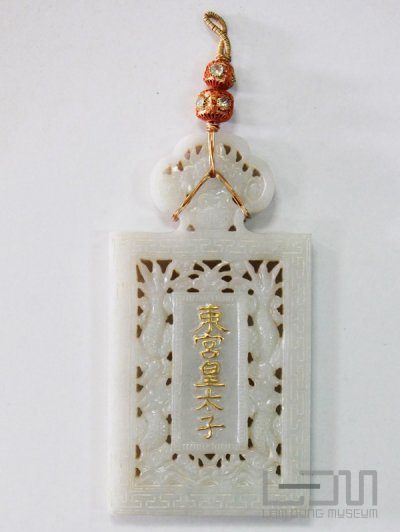
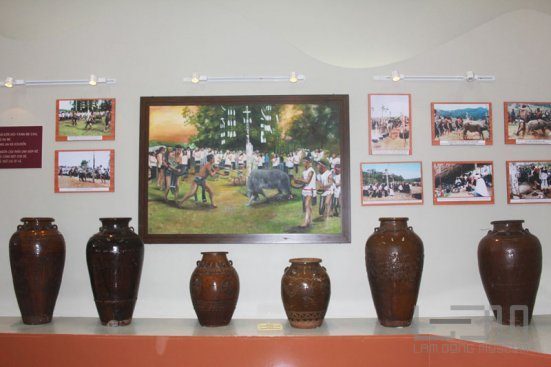
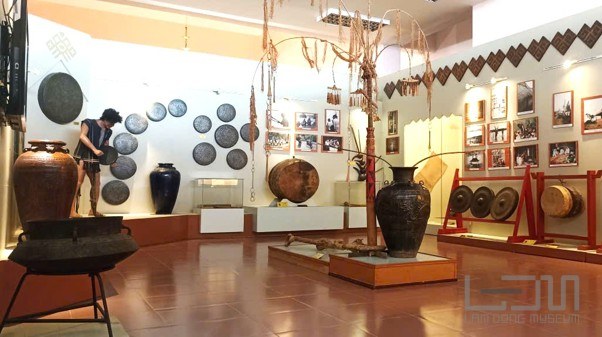
From baskets, saws, wine jars, working tools to household items, costumes, or traditional ritual items, each artifact reflects an aspect of the community's life. It can be production labor experience, adaptation to the natural environment, aesthetic concepts, living habits, or beliefs.thresholds are formed and passed down through generations.
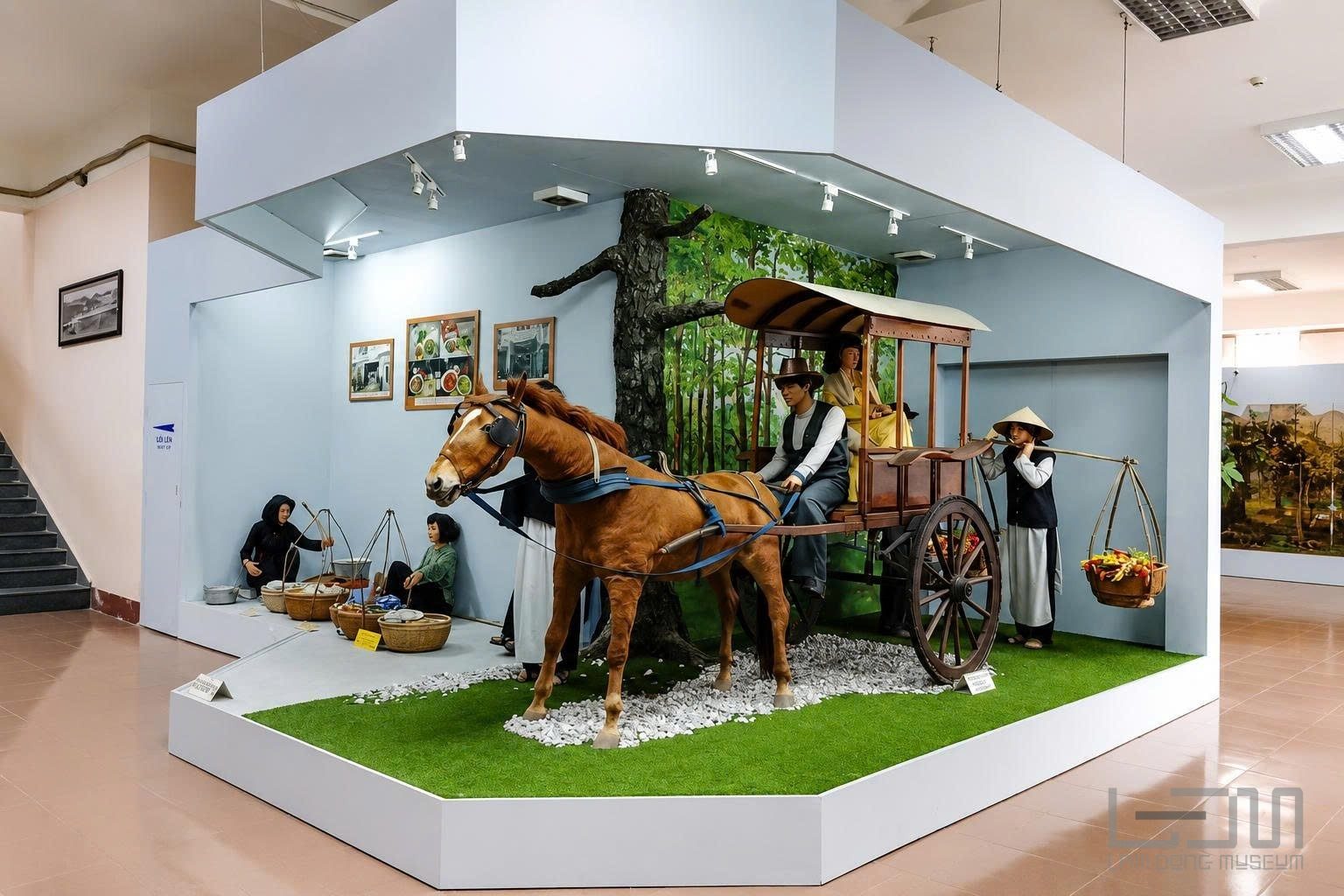
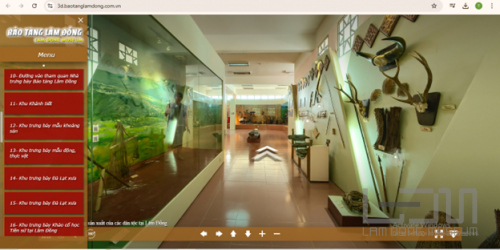
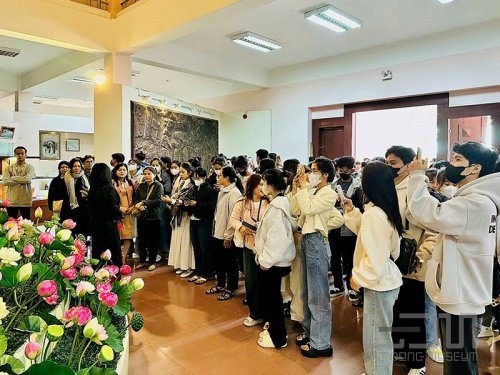
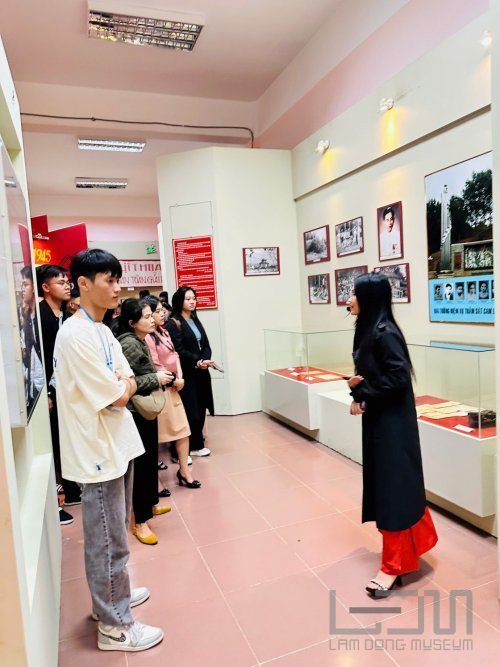
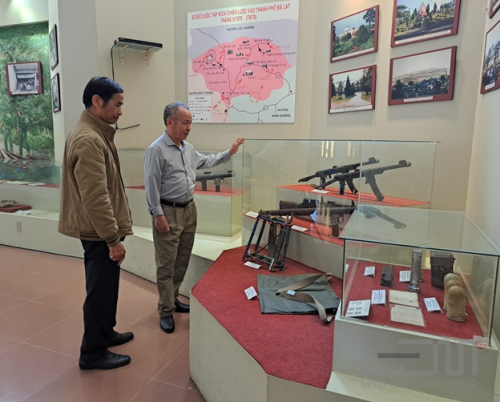
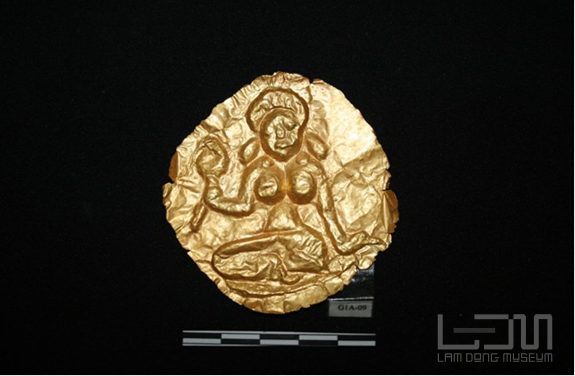
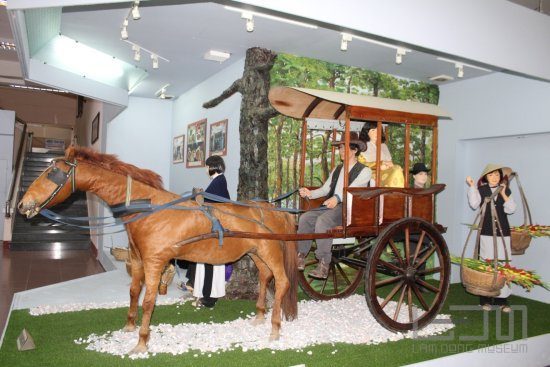
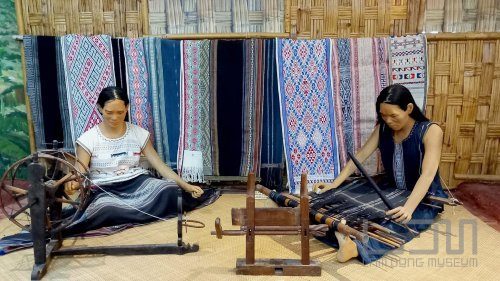
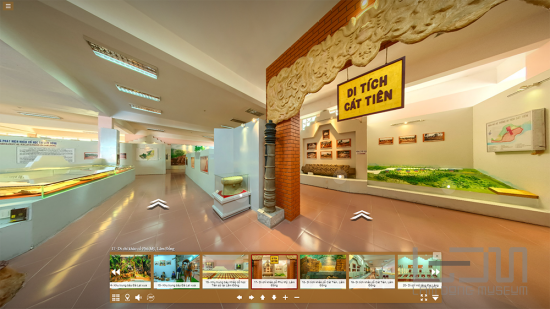
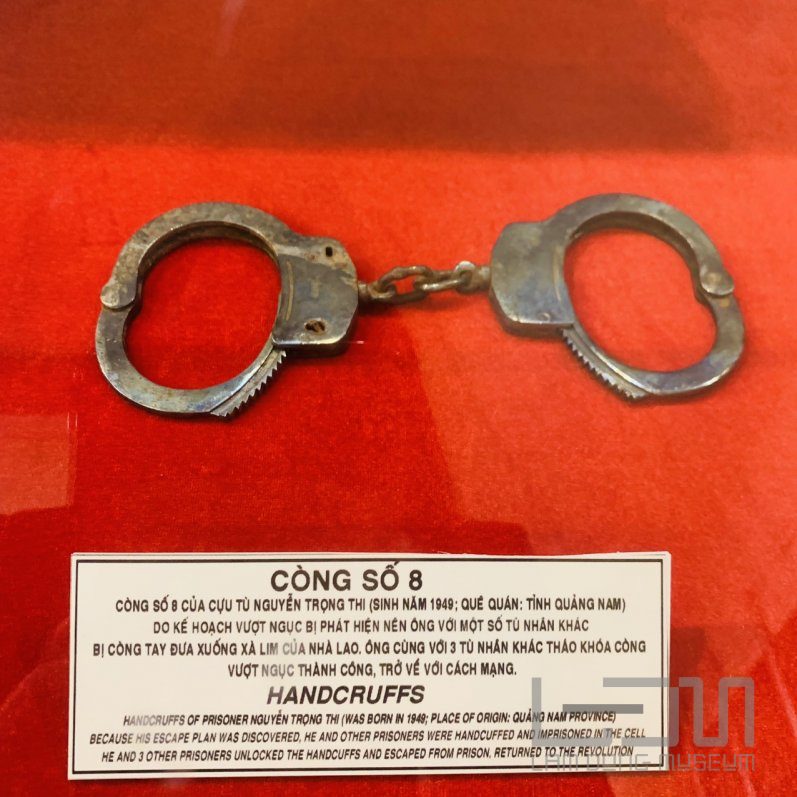
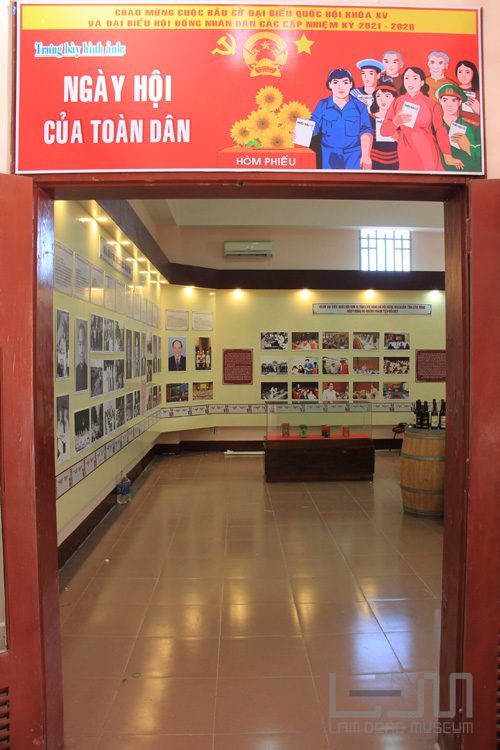
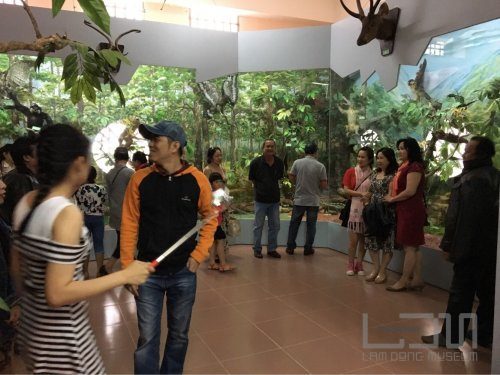
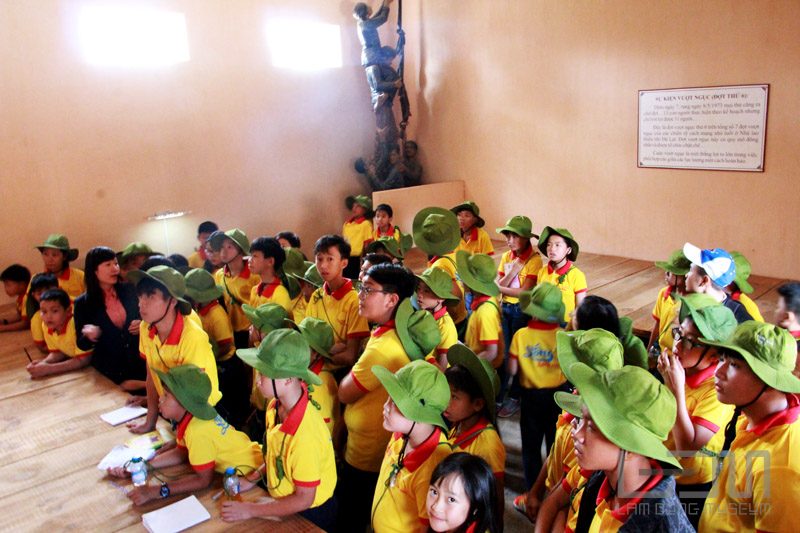
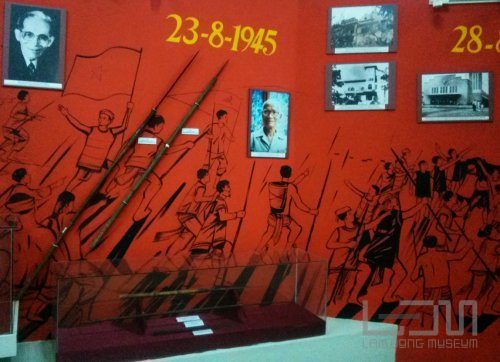
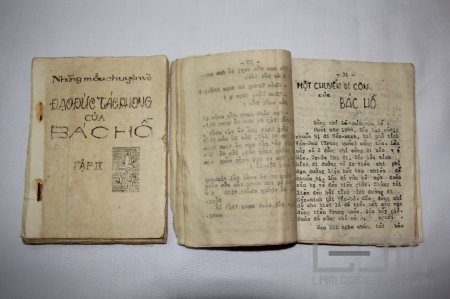
In the exhibition space, artifacts are not just single objects but become visual documents that help the public access history and culture in a close and vivid way. Viewers will understand more about the lives of ethnic communities through the shapes, materials, manufacturing techniques and uses of each artifact. Behind them are stories about the makers, the users and the customs and practices that have been attached to the artifacts for a long time.
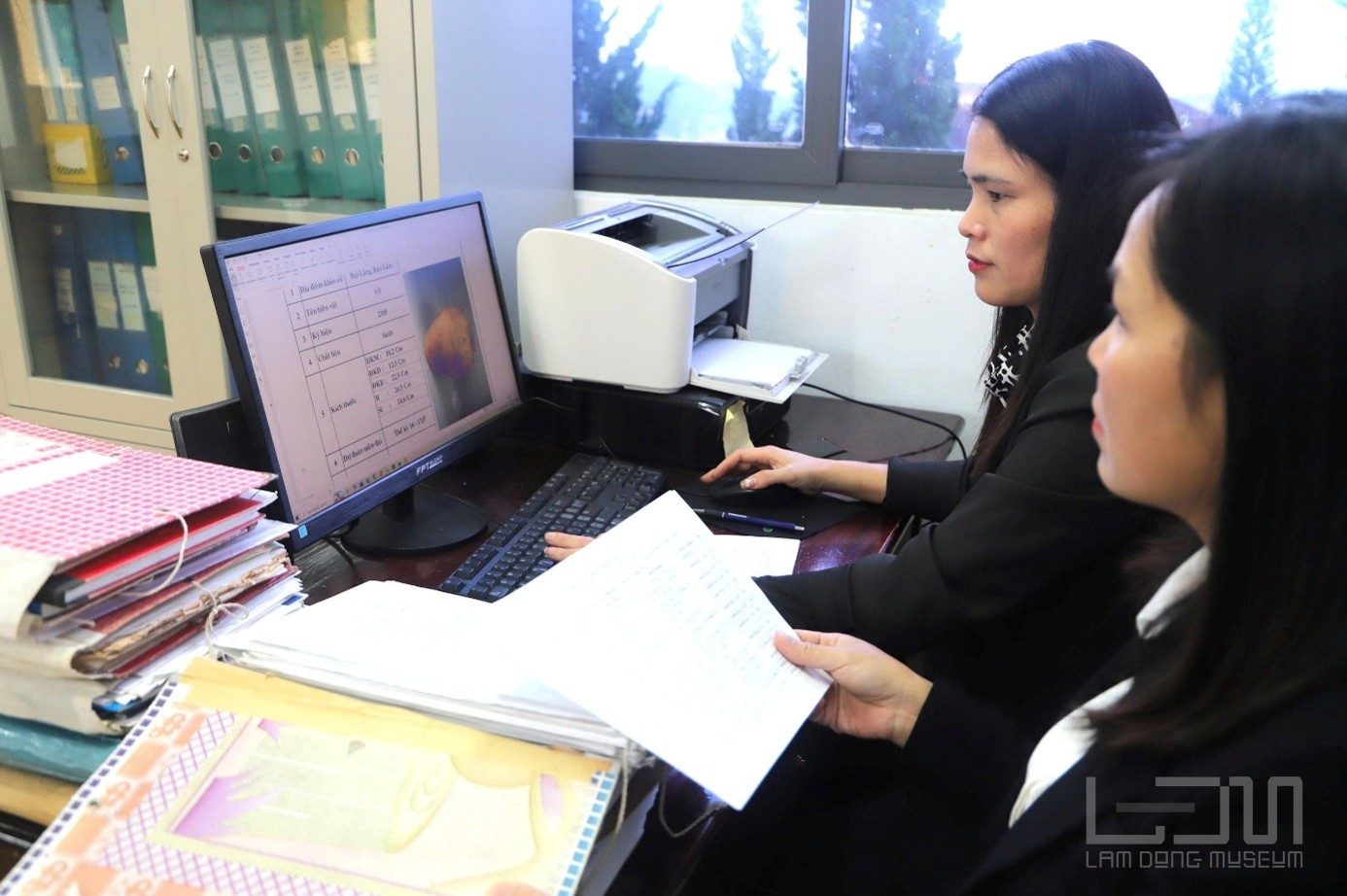
Therefore, the work of collectors does not end when the artifacts are handed over to the museum. Information collected during fieldwork, shared by people and documents related to artifacts will continue to be exploited to serve research, inventory, preservation, display and explanation. This is a process that contributes to transforming memorabilia from community life into valuable resources to serve the preservation and promotion of cultural heritage values.
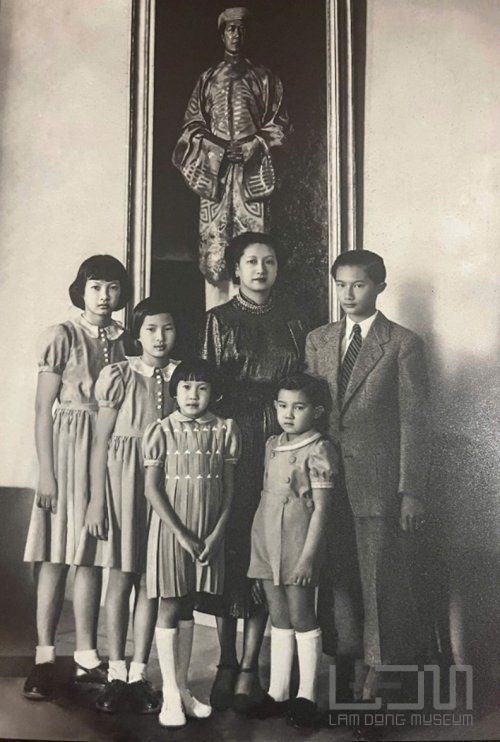
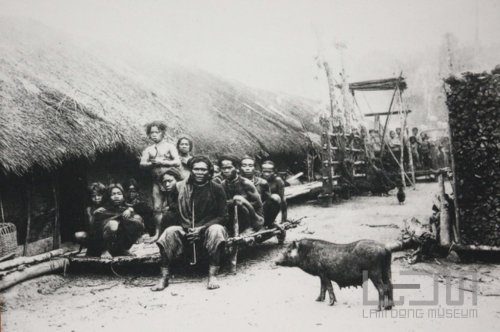
Each artifact received today can be an important piece to recreate the cultural picture of ethnic groups during the past.past and present. Each preserved story contributes to enriching the source material, helping the younger generation better understand the roots, identity and traditional values of their community.
The journey of collecting artifacts can be difficult, because not all cultural values are easily identifiable and not all memorabilia can be brought to the museum. But with dedication, responsibility and love for heritage, collectors still persevere on the journey of finding, connecting and preserving.
Because behind every artifact is a story, behind every story is a cultural value that needs to be appreciated. And behind the values introduced in today's exhibition space is the silent journey of collectors - those who contribute to turning memorabilia from the community into a common heritage, so that cultural memories are not forgotten but continue to be passed down to future generations.