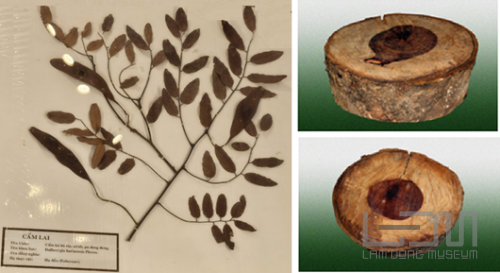
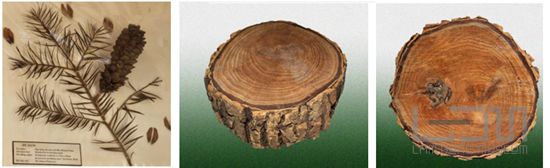
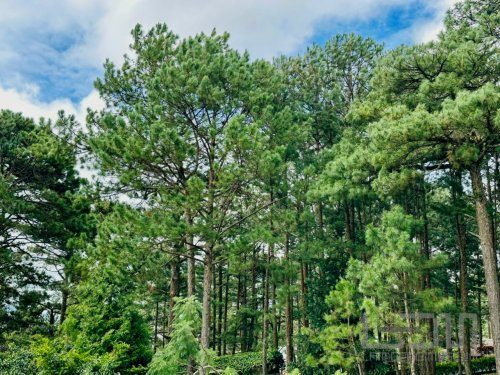
The ancients considered the pine tree to represent a hundred trees. The pine tree has strong vitality, overcoming the harsh challenges of living conditions, making it different from ordinary plants and flowers. In literature and life, the pine tree is associated with the gentleman who is always patient, has the will to be self-reliant, always overcomes difficulties, perfects himself to overcome all challenges of adversity and always maintains integrity and steadfast spirit. During the Nguyen Dynasty, the image of the pine tree was commonly used in decoration of royal architectural works and carved on many items of kings and mandarins.
In the history of the nation in general and the Nguyen Dynasty in particular, it is possible to find Sino-Vietnamese idioms and proverbs that describe the characteristics of the pine tree in relation to the good qualities of people, such as "tung cypress posthumous" (tung cypress will be ruined later), "tung cypress chi chi" (big as cypress), "trinhpine branches" (solid as pine), "tung quan detail" (atmosphere like pine bamboo), "tung chi wielding a sword" (hanging a sword with pine branches - majestic appearance), "jade puree Tung virgin" (solid as pine, clear as jade)... The pine tree also symbolizes health, longevity, like "tung cypress chi tho" (longevity like pine cypress); lasting prosperity, like "tung mau truc cell"; friendship a friend in times of trouble, like "tung cypress"; a harmonious relationship between husband and wife, like "tung la plush"... In feudal society, the pine tree is also used to compare the lives of scholars who live in seclusion, being friends with tall mountains, green pine trees, thin cranes, clear streams, white clouds, maintaining noble dignity, like "xan pine moist simple", "canh cot tu"...
The metaphorical meaning of the pine tree vividly reflects the relationship between humans and nature and the concept of heaven, earth, and humanity as one. Along with bamboo and apricot trees, pine trees have actively participated in forming many idioms, enriching the national language and culture.
In addition to poetry and proverbs, in real life, the image of the pine tree is used quite a lot in the fields of fine arts, decoration and sculpture. Oriental peopleconcept that the "Four Times" (apricot symbolizes Spring; lotus symbolizes Summer; chrysanthemum symbolizes Autumn; pine symbolizes Winter) is a manifestation of completeness, solidity, eternity, happiness... Therefore, Four Times becomes a very popular theme in traditional decorative arts and has vivid familiar patterns, with many different names and symbolic meanings, including images full of Confucian humanistic qualities, such as apricot bird (bird perches on an apricot branch); inter pressure (duck swimming next to the lotus); chrysanthemum (butterfly landing on chrysanthemum); pine tree or pine tree (a crane standing under a pine tree, or a deer standing under a pine tree)...
In the royal decorations of the Nguyen Dynasty, the image of a pine tree turning into a dragon appeared a lot in the art of embossed masonry and ceramic mosaics in architectural works. Besides, the image of a pine tree also appears on Du Dinh (one of the Nine Peaks). These things deeply reflect the concept of royal art and the relationship between humans and nature and the universe.
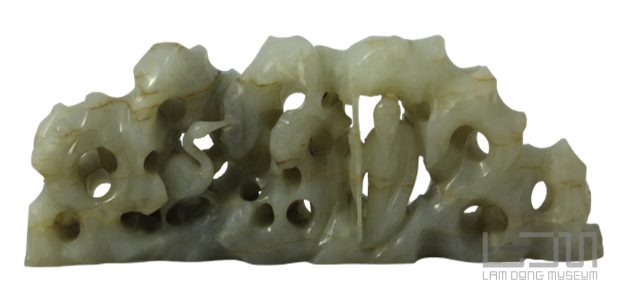
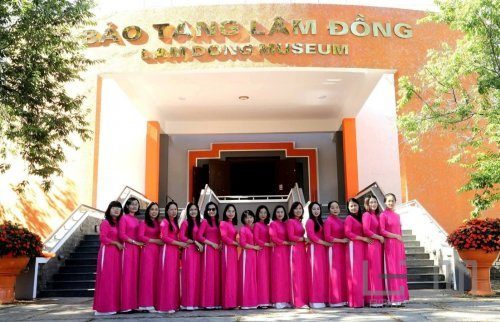
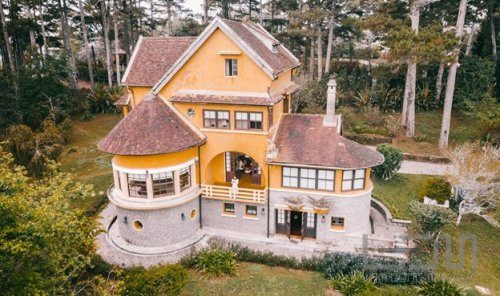
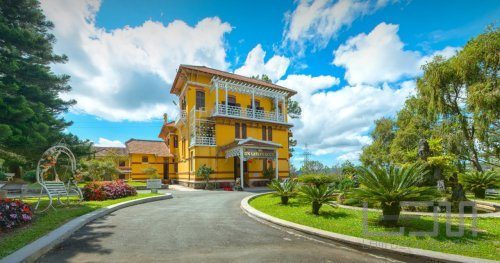
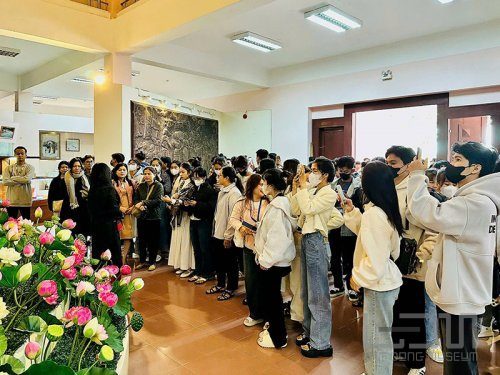
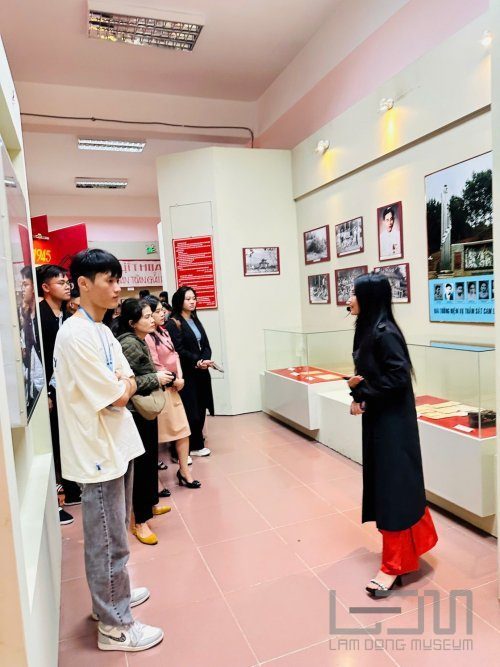
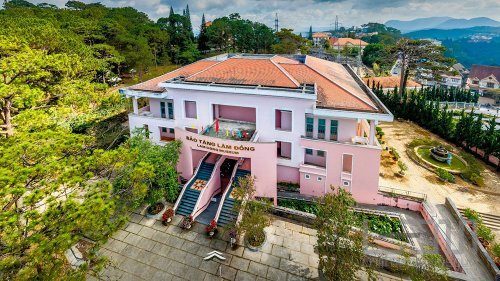
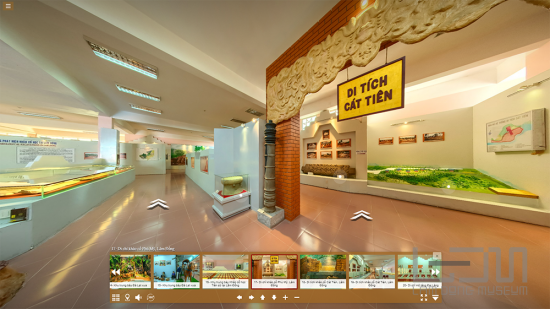
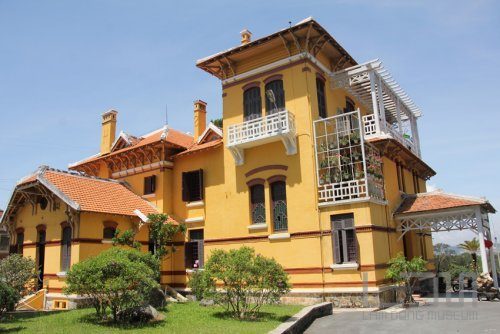
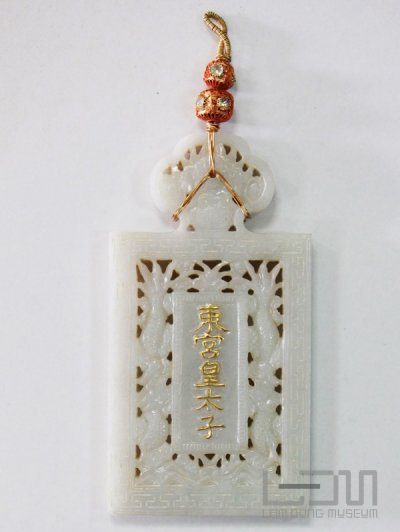
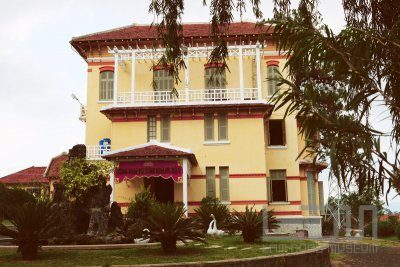
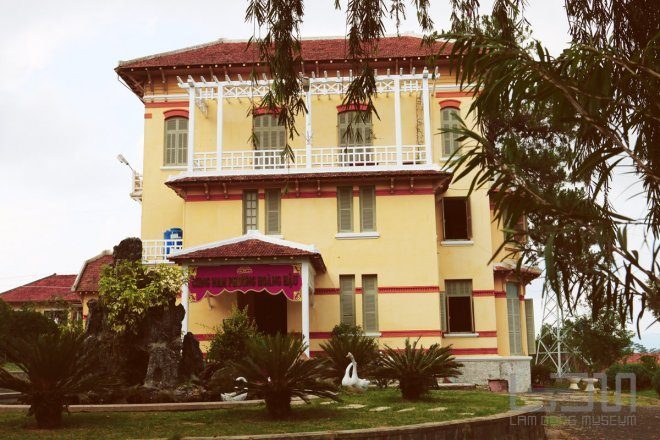
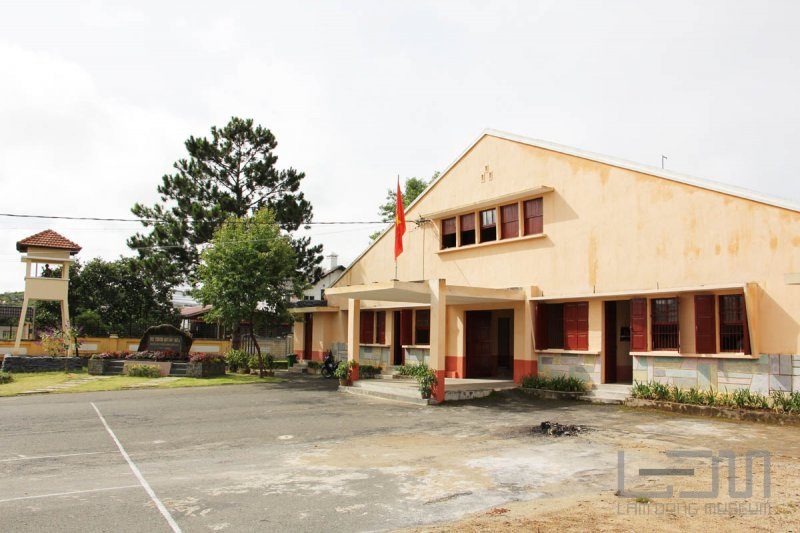
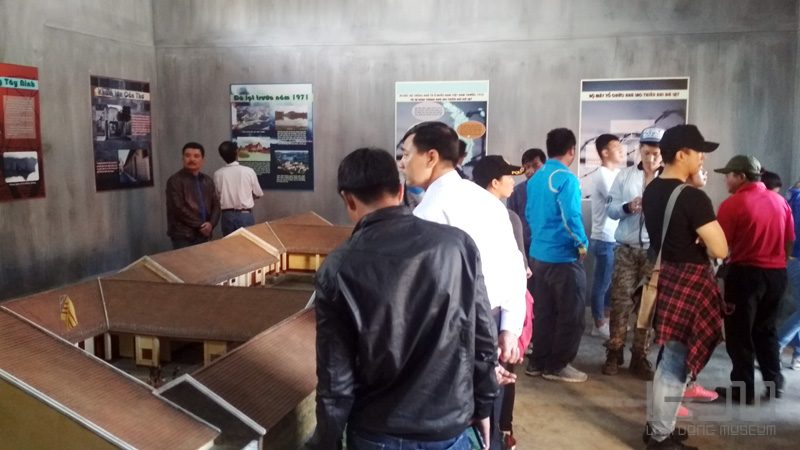
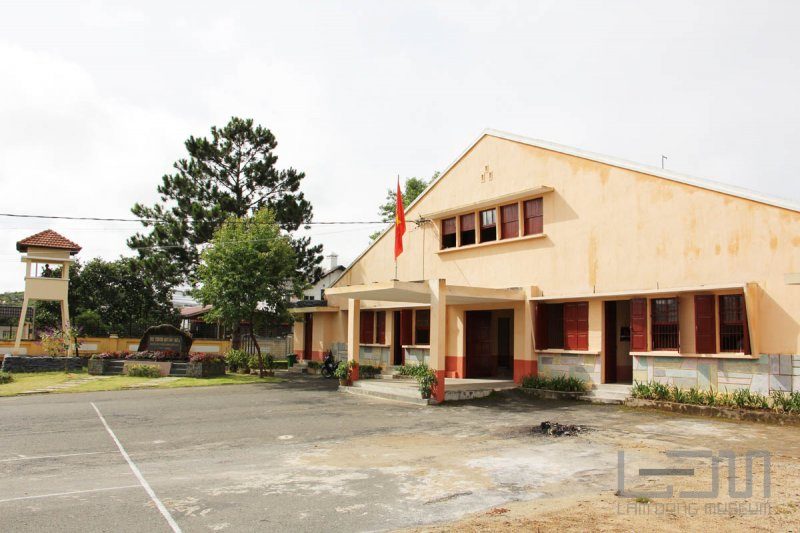
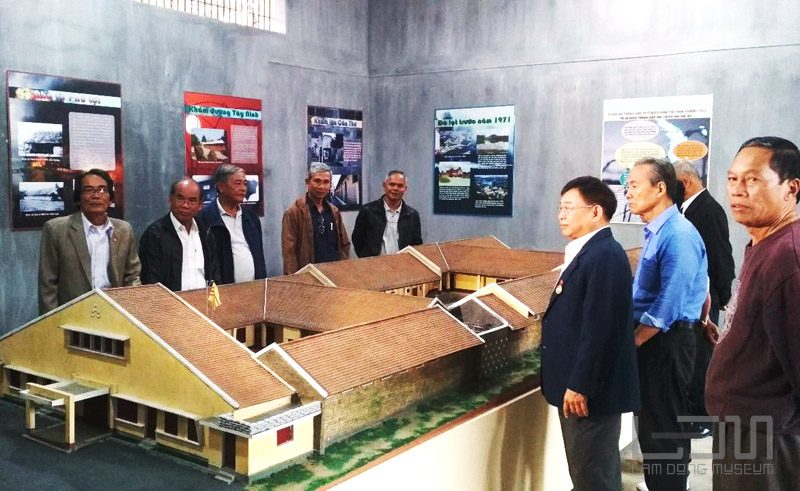
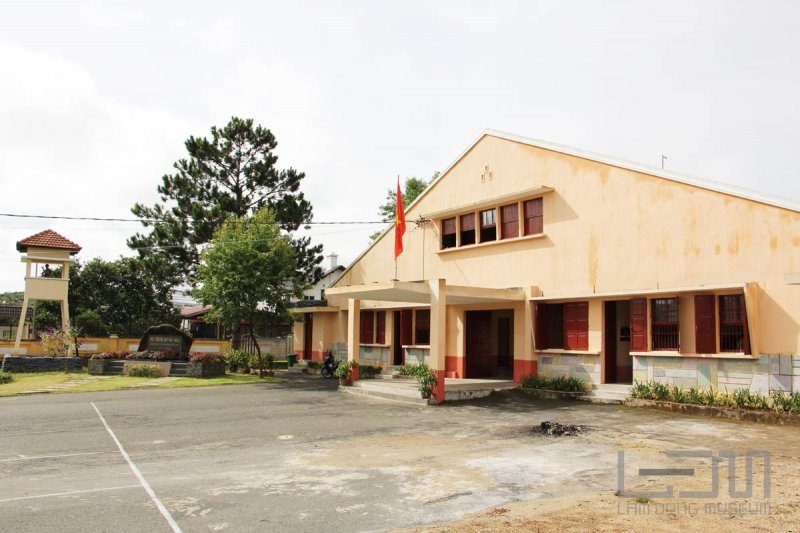
In particular, when visiting the Queen's Nam Phuong Palace located on the grounds of Lam Dong Provincial Museum, visitors will admire the image of a pine tree carved on a number of artifacts belonging to the group of "Four Treasured Offices" (items in the offices of former kings and mandarins), located in the Collection of Royal Antiquities of the Nguyen Dynasty.
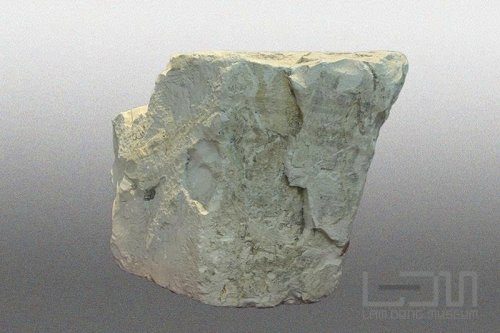
On the 2nd floor of the Queen's Nam Phuong Palace, visitors will admire the pen rest crafted by artisans in the Nguyen Dynasty's royal workshop. This pen holder is made from opaque white solid jade and has uneven colors. The pen rest has a low and long shape, very similar to the shape of a mountain (imitation paint), the thickness and thinness of the pen rest is uneven. The top edge and middle of the body are cut out with many small round holes to rest the pen. These round holes are cut overlapping each other. On the front of the pen rest is a statue of an old man with a long beard, one hand holding a cane, standing next to a pine tree and in the shape of a crane. The back is engraved with many different protruding holes. In visual art, the pine tree and the crane form a pair of "junior cranes" meant to wish longevity.
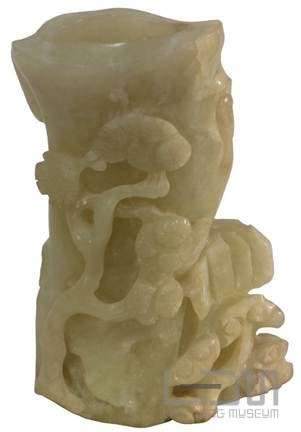
Besides, visitors can also admireThe pen holder was crafted by artisans in the Nguyen Dynasty's royal workshop from ivory white jade stone. The tube has a tall shape, a slightly flattened body, and an oval, wide flared mouth above. The mouth of the tube is smooth, and the body is decorated with two stylized pine branches and rattan. These details are carved quite meticulously.
The appearance of the image of the pine tree or the symbol "Tung - crane - old" on the artifacts of the Nguyen Dynasty Royal Antiquities Collection not only demonstrates the talent, aesthetic level and peak manufacturing techniques of the craftsmen in the "Ngư Workshop" of the Nguyen Dynasty, but also contains the concepts and life philosophies of the ancient Vietnamese people. The public when visiting Lam Dong Provincial Museum will have interesting experiences and get closer to the cultural heritage of the Nguyen Dynasty here.
REFERENCES
1. Thanh Hoa Electronic Newspaper (2021), Images of pine, chrysanthemum, bamboo and apricot in traditional wooden architecture of Thanh Hoa.
2. VTCNews electronic newspaper (2024), The feng shui meaning of the pine tree.
3.Lam Dong Museum (2019), Royal treasures of the Nguyen Dynasty at Lam Dong Museum.
4. Pham Ngoc Ham, Le Thi Kim Dung (2018), Metaphorical meanings of pine, bamboo, and apricot in Chinese and Vietnamese.
5. Department of Tourism of Thua Thien Hue province (2021), Carved motifs on the Nine Peaks - episode 36.
6. Song Huong Magazine (2021), The meaning of "transformed" images in fine art decoration of the Nguyen Dynasty.
7. Digital explanation website of Lam Dong Museum: https://tmso.baotanglamdong.com.vn