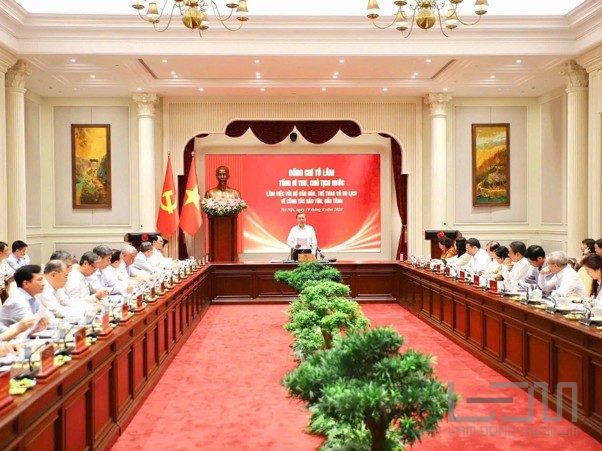
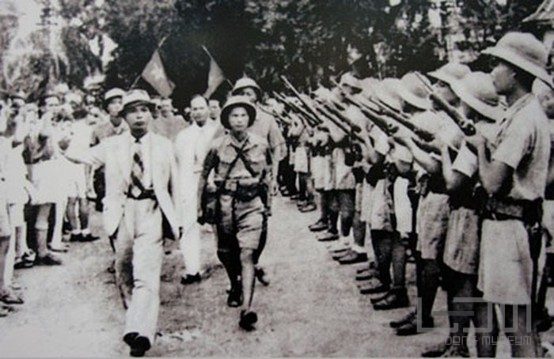
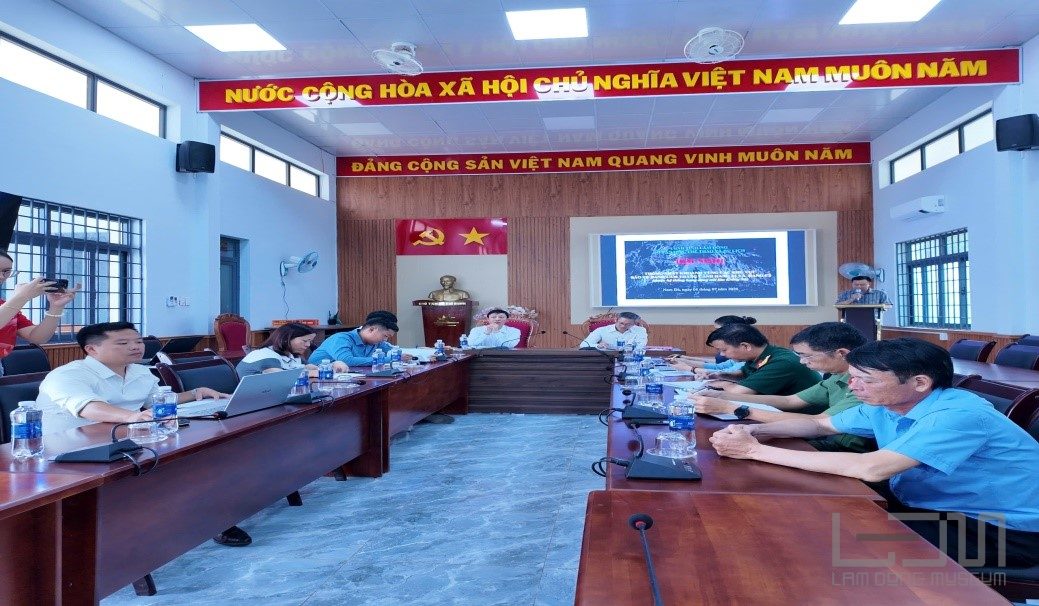
October 15 every year is the Party's Traditional Day of Mass Mobilization work, an opportunity for the entire Party and the entire political system to review the glorious tradition of mass mobilization work. Thereby raising awareness and responsibility of cadres and party members in strengthening the close relationship between the Party and the People.
1. From awareness of the role of Mass Mobilization work
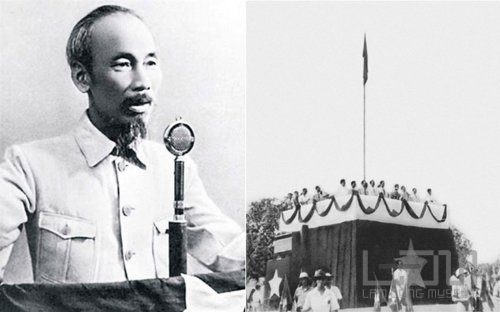
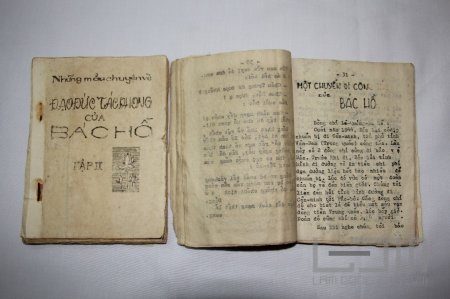
Throughout revolutionary periods, Mass Mobilization work has always held a particularly important position in the work of building the Party and the political system. All policies and guidelines of the Party only truly come to life when they receive the approval, support and active participation of the People. President Ho Chi Minh once advised: "If the people mobilize well, everything will be successful." This is not only a method of mass mobilization but also a requirement for each cadre and party member regarding responsibility, work style and ethics of serving the People. In every job, officials,Party members must know how to rely on the people, be close to the people, listen to the people, understand the people, respect the people and wholeheartedly serve the people. Thereby creating trust, consensus and promoting the power of the People in successfully implementing political tasks.
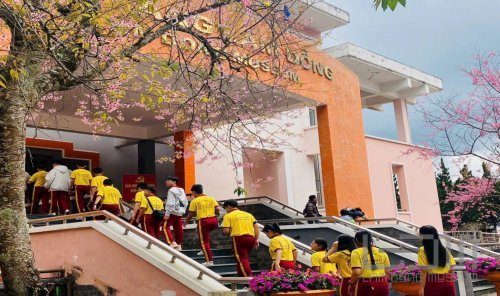
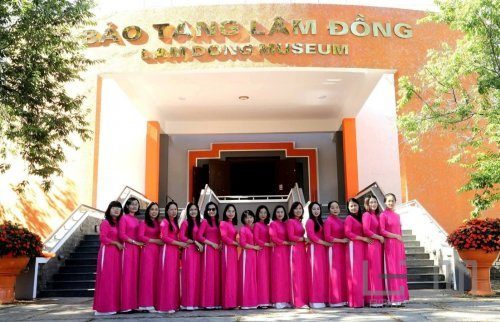
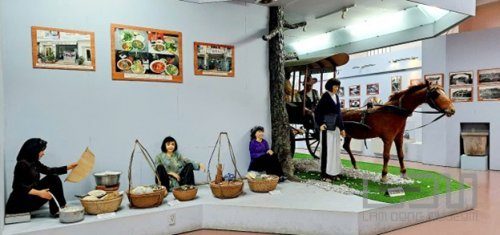
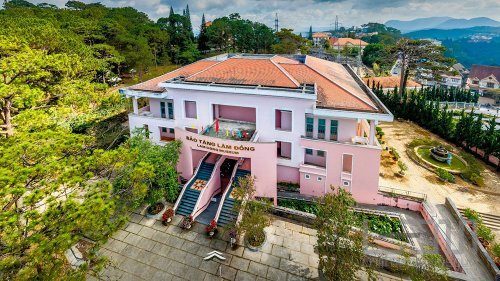
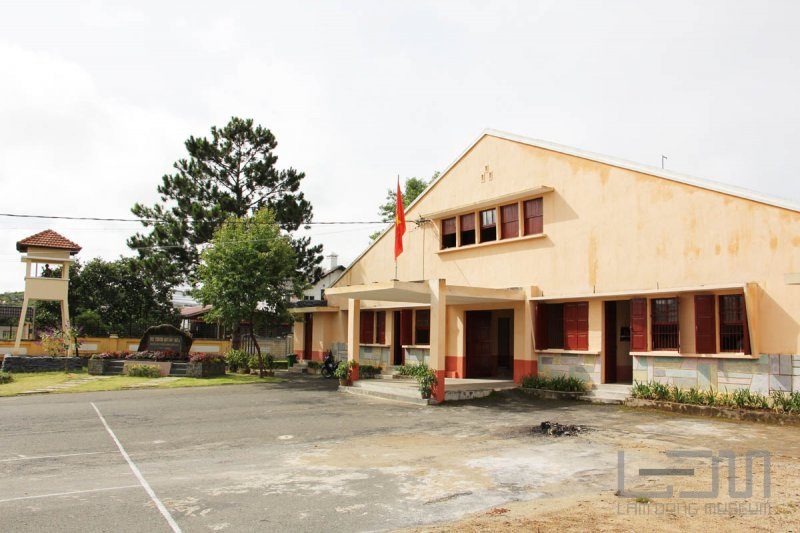
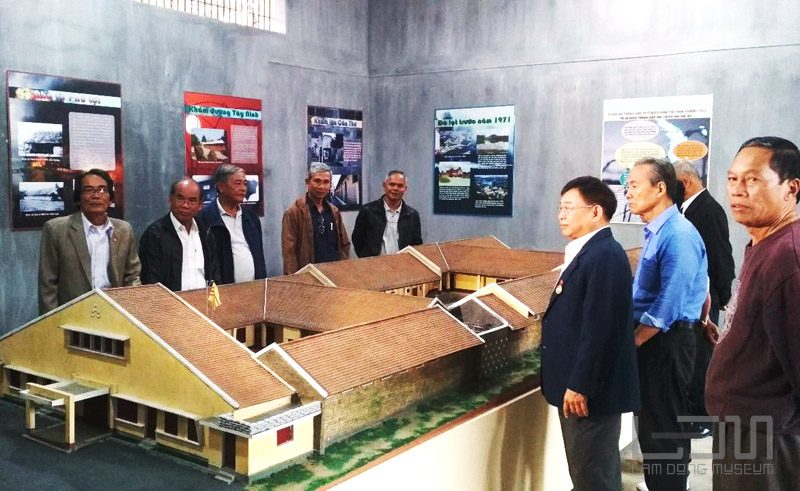
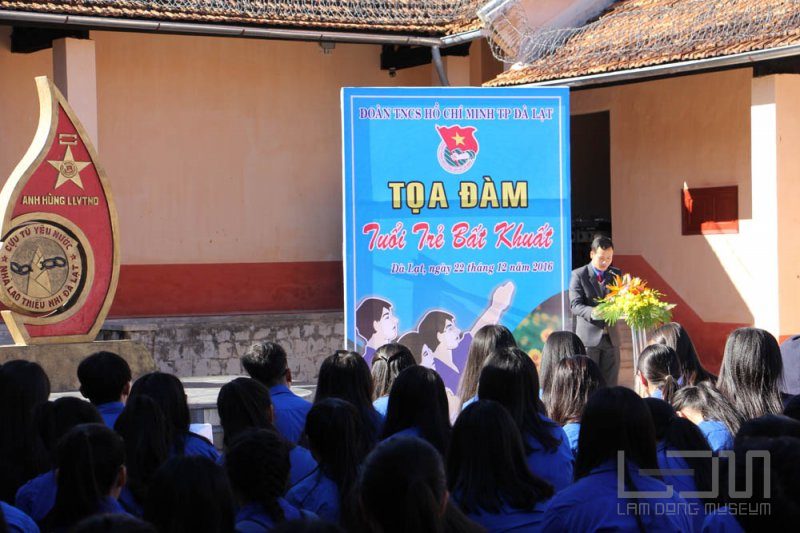
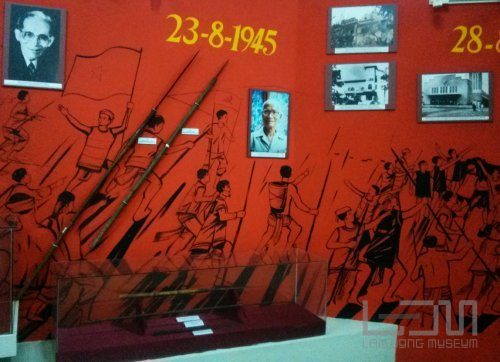
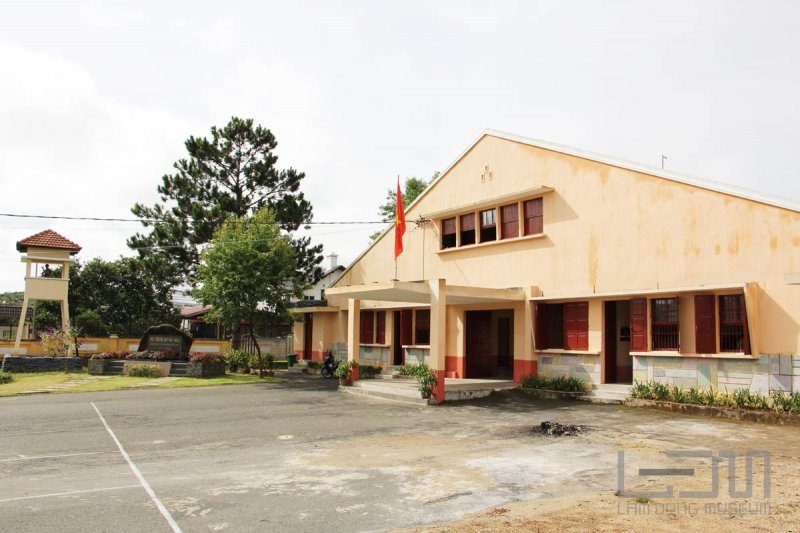
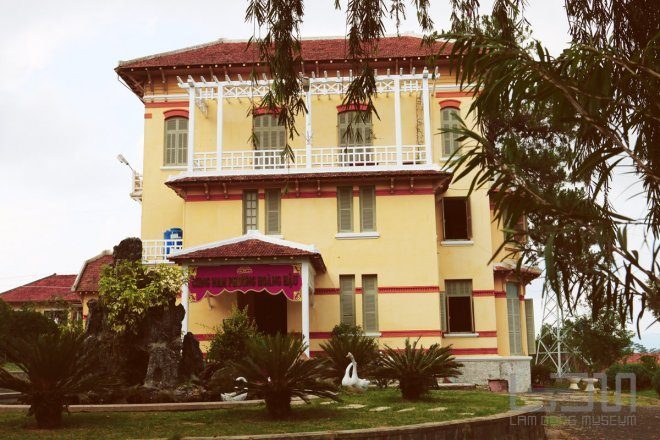
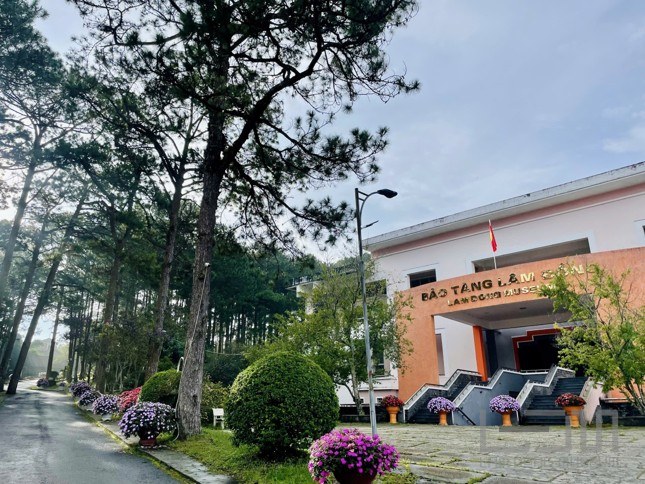
In the current period, Mass Mobilization work must be emphasized in all political tasks of agencies and units, connecting Mass Mobilization work with performing political tasks, Party building work and building a team of officials and party members. For Lam Dong Provincial Museum, the work of mass mobilization has its own characteristics. Museums are cultural institutions with the functions of collecting, inventorying, preserving, researching, displaying and promoting historical and cultural values, bringing heritage values closer to the people. Identifying the People as the subject of heritage and the object of service, and Mass Mobilization work must become a consistent content in the Museum's activities.
Mass mobilization work is the responsibility of the entire political system and of each cadre and party member, not a separate task of a department or an individual. Each cadre and party member, in the process of performing their duties, is responsible for campaigning, propagating,explain, create consensus and serve the people.
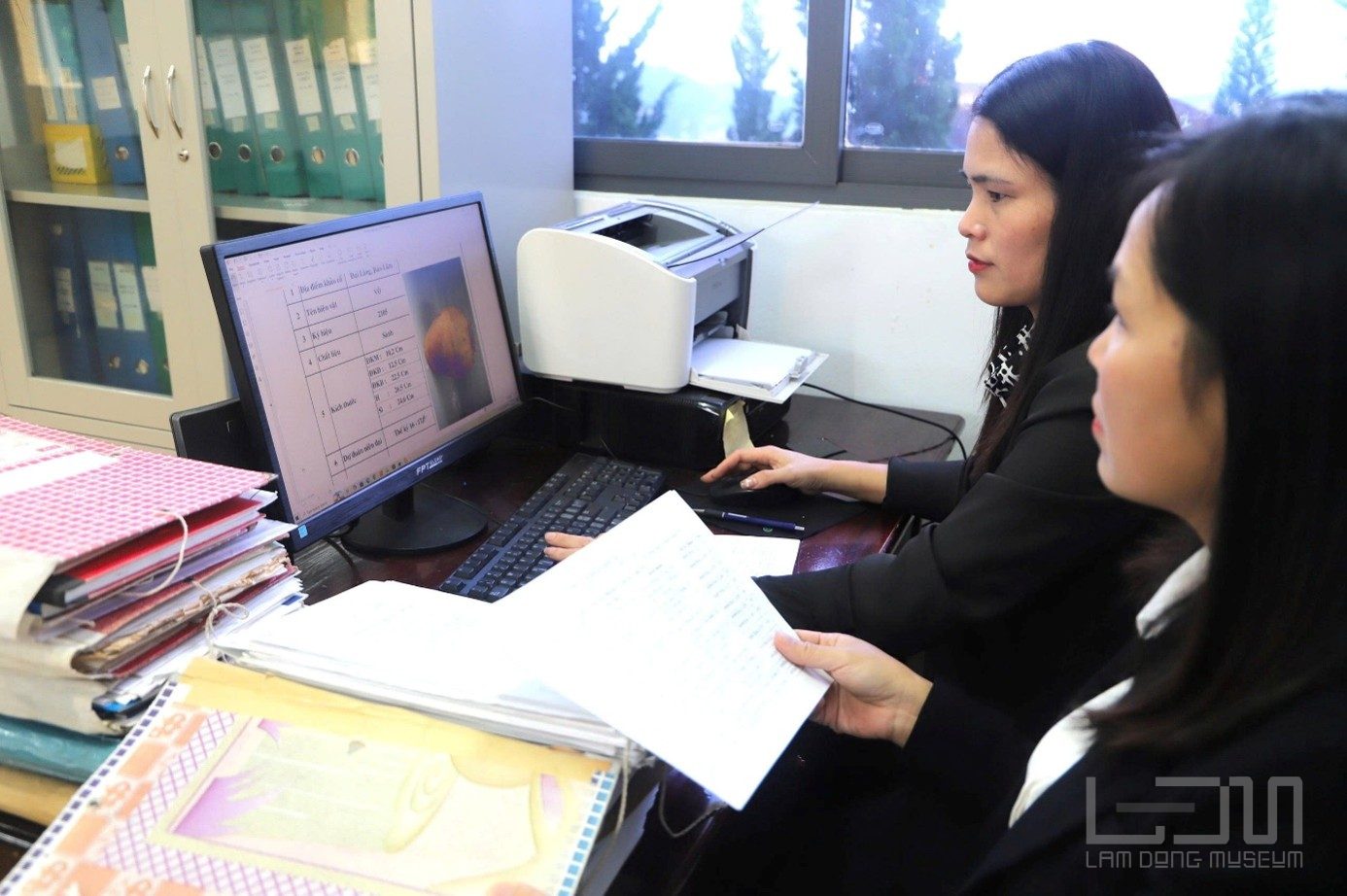
For museum staff, Mass Mobilization work is demonstrated right in the process of contacting people, communities, artifact providers, visitors, students, agencies, schools and social organizations. A correct word, an enthusiastic attitude, an easy-to-understand explanation, and a sense of responsibility in service is also performing the work of Mass Mobilization. Therefore, it needs to be affirmed: Mass mobilization is not a part-time job; Popular mobilization must be expressed immediately in the performance of daily professional duties by cadres and party members.
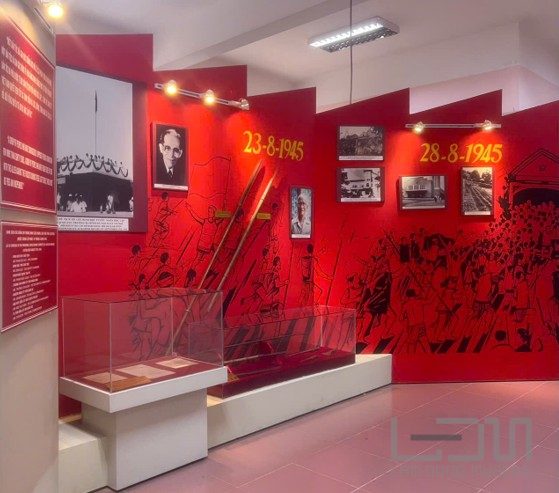
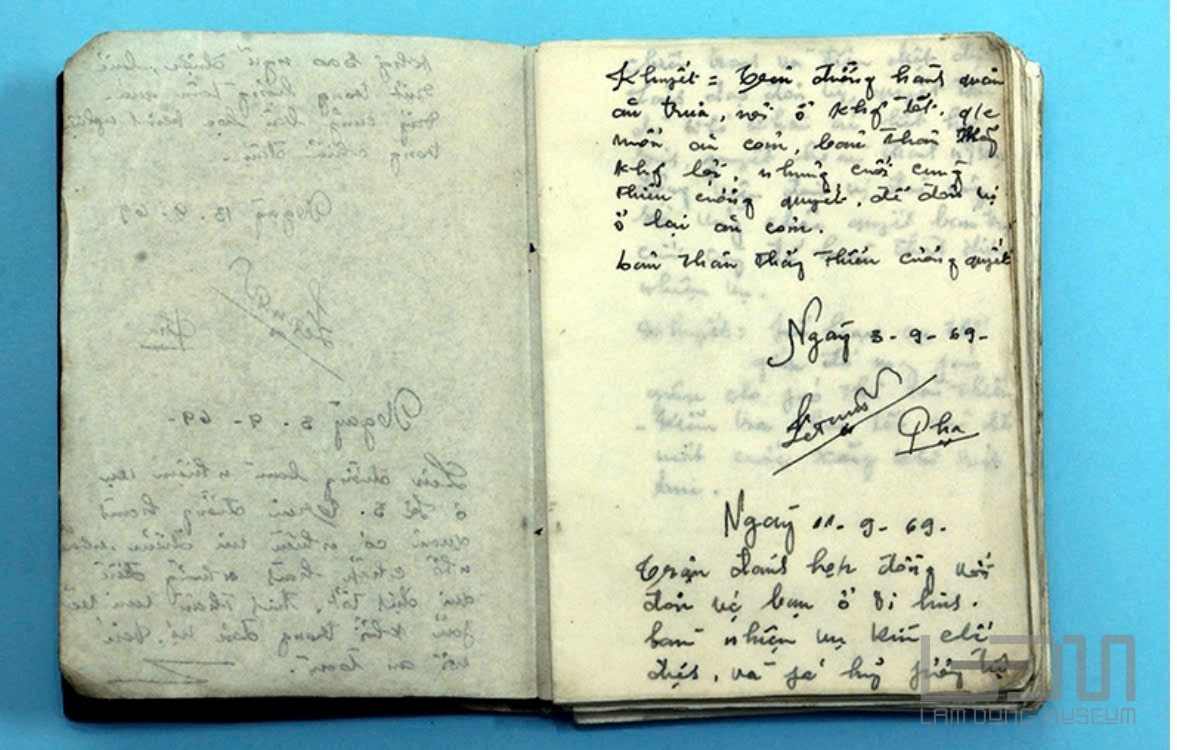
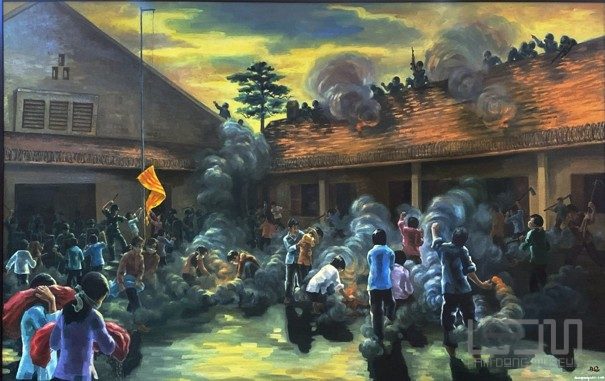
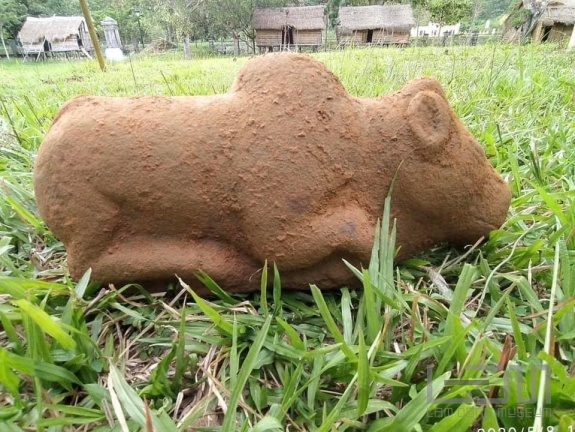
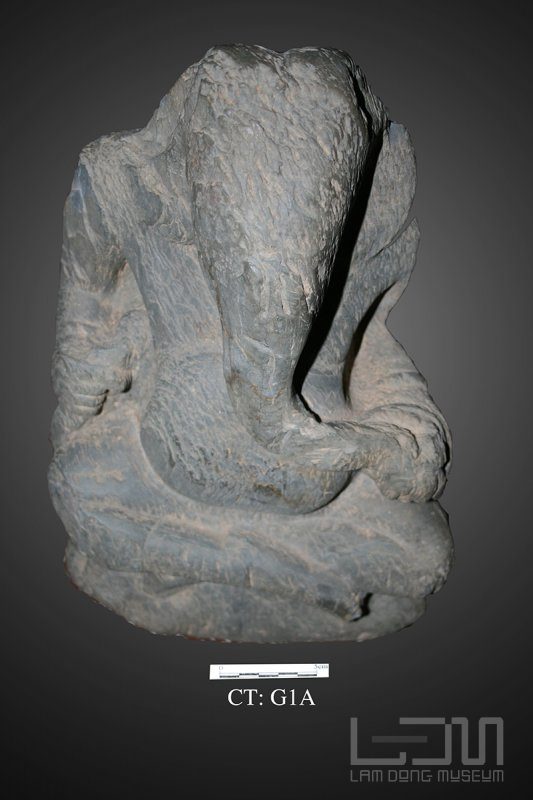
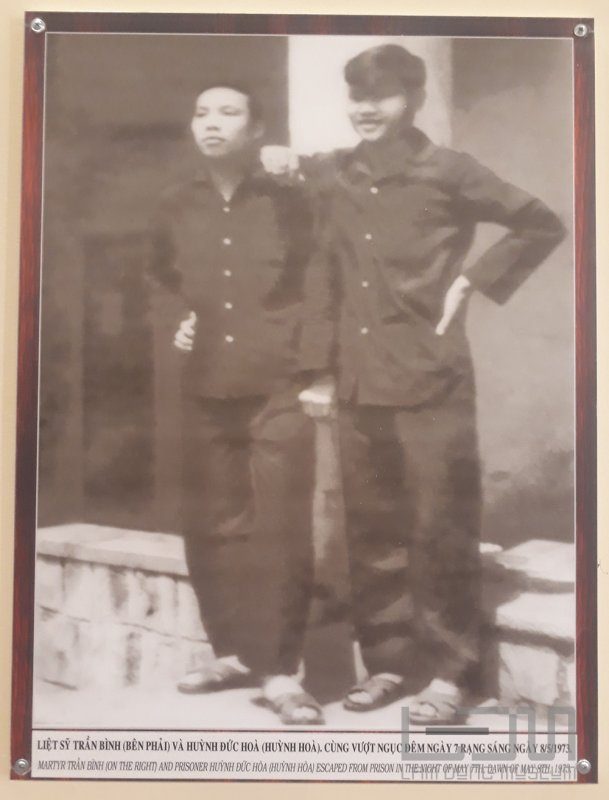
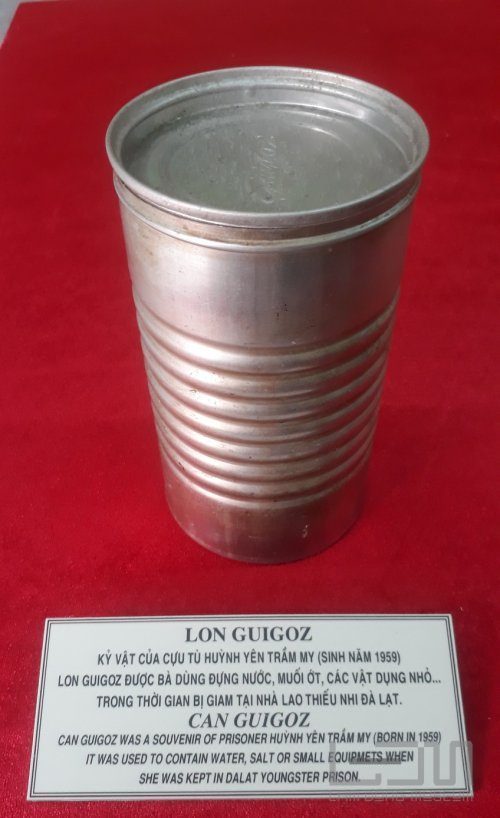
For museum activities, the People must be the center. Museums are not only places to preserve artifacts but also cultural institutions that serve society and the community. An artifact has value not only in the artifact itself but also in the story, memory, knowledge and historical and cultural values associated with that artifact. Many artifacts and documents were created from the people themselves, from the community, from families and individuals kept for many generations. Therefore, to do a good job of collecting, researching, preserving and promoting heritage values, the Museum must come towith the People, listen to the People and respect the knowledge of the community. That is a specific manifestation of the "people-first" viewpoint in the Museum's activities.
2. To the responsibility of Lam Dong Provincial Museum
From the awareness of the role of the above-mentioned Mass Mobilization work, officers, employees, and workers of Lam Dong Provincial Museum determine their responsibilities through the following contents:
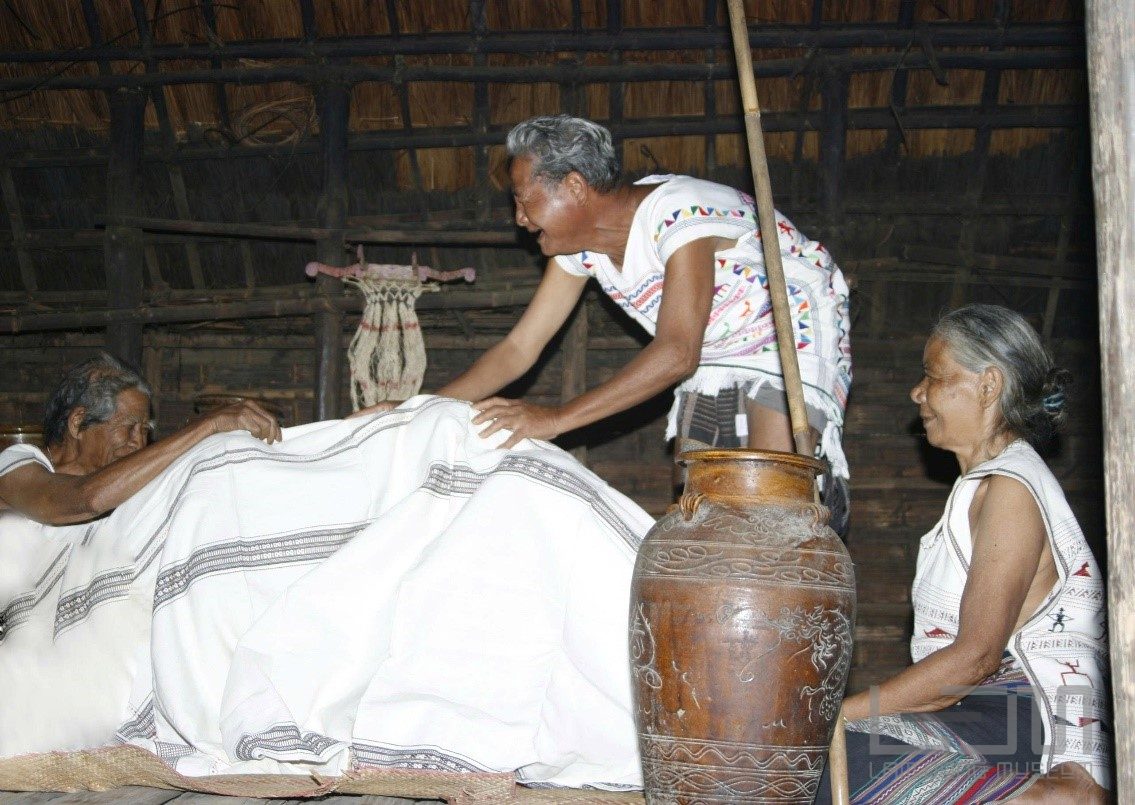
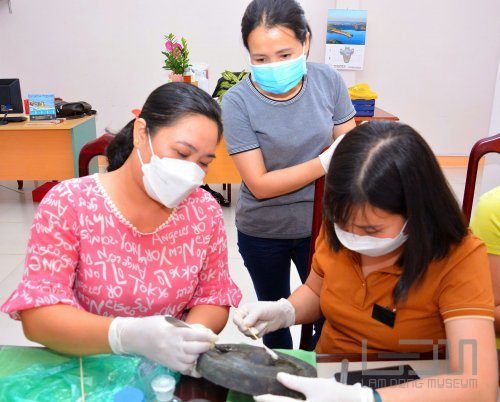
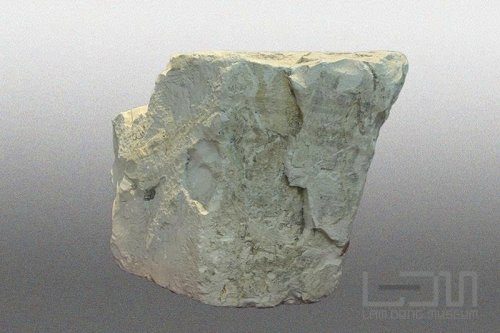
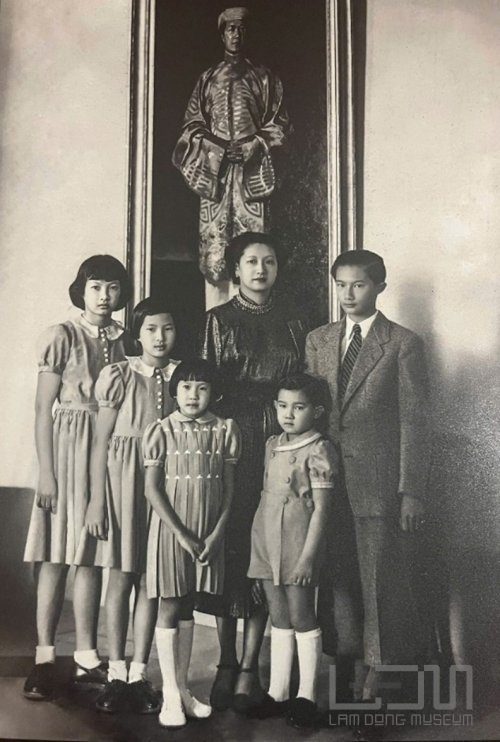
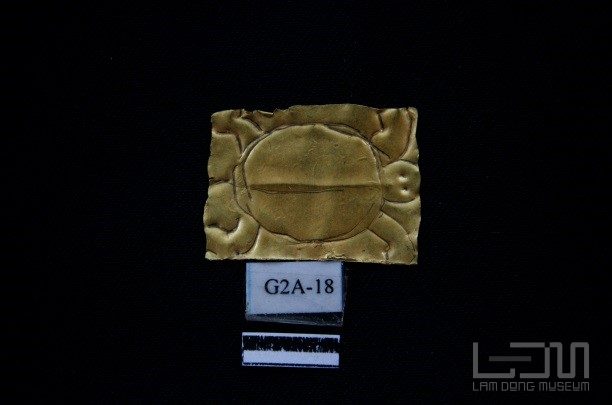
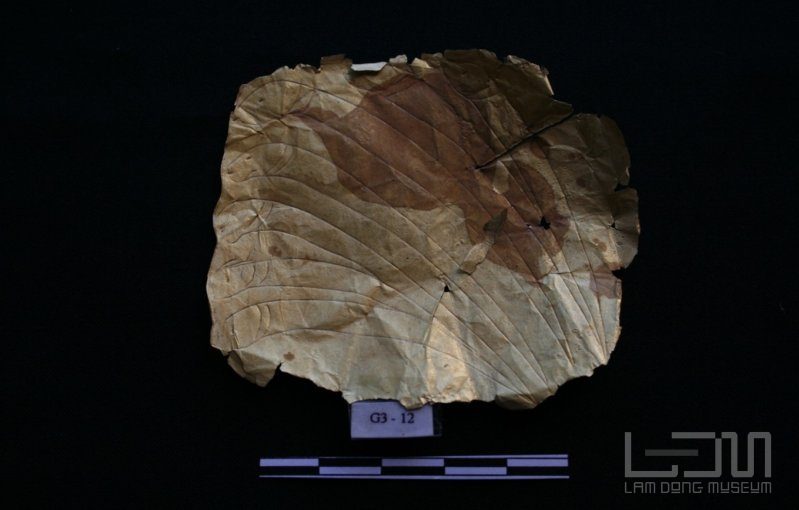
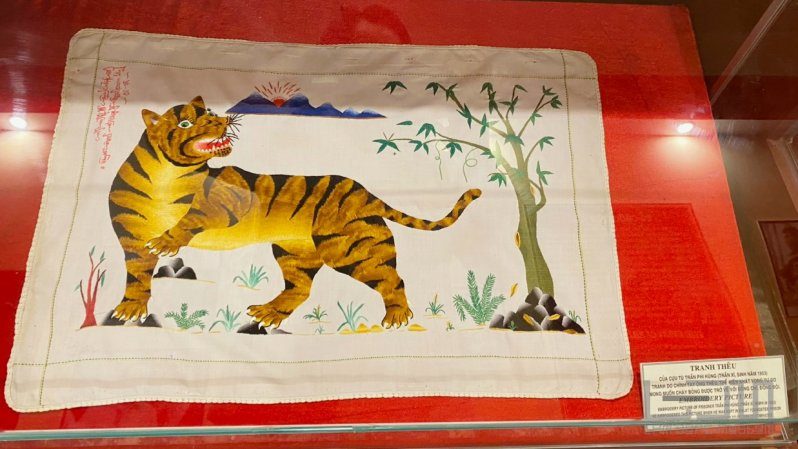
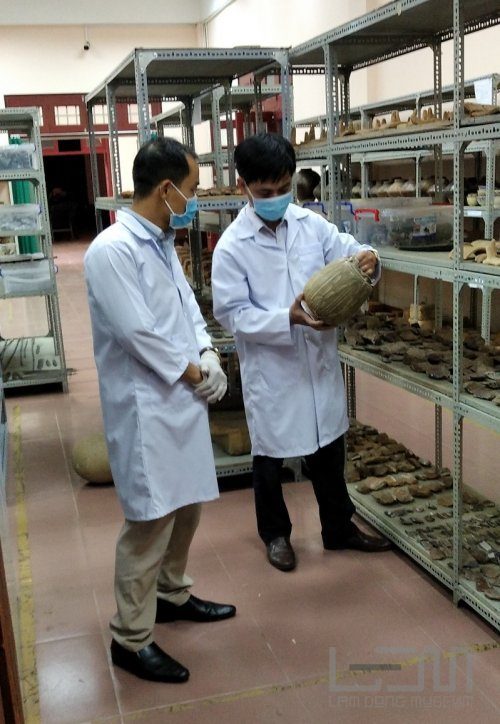
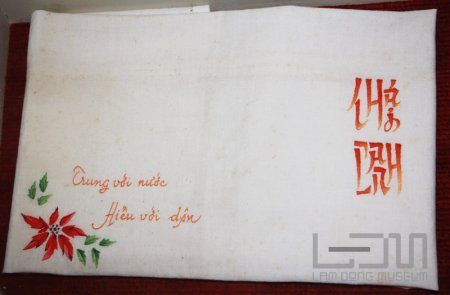
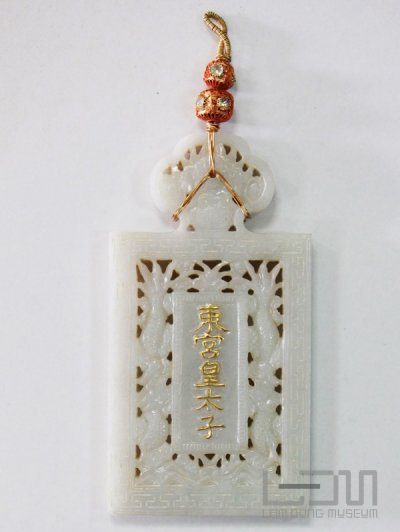
First, Public Mobilization work is associated with heritage collection and preservation activities. In its professional activities, if the Museum wants to supplement its rich source of documents and artifacts, it needs the people's coordination. There are artifacts that have been kept in families for generations; There are historical stories passed down in the community; There is knowledge about customs, traditions, and traditional occupations that only local people can deeply understand. Therefore, officials doing collection work not only need to be professional but also have public relations skills. When contacting people, you must clearly explain the purpose of collecting, the value of artifacts, and the Museum's responsibility in preserving them.manage and promote the value of artifacts; At the same time, we respect the rights, feelings and legitimate aspirations of the providers of materials and artifacts. More importantly, we must create trust so that people can realize that donating to the Museum is contributing to preserving a part of the memories of their family, community and homeland for future generations.
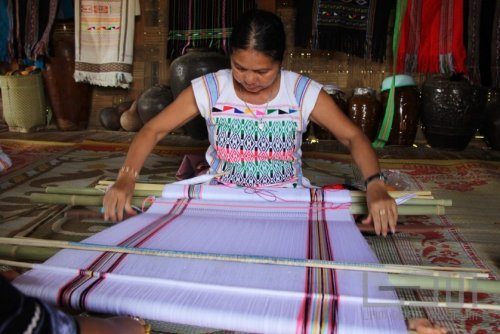
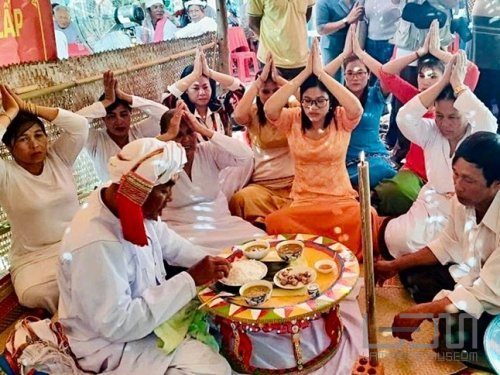
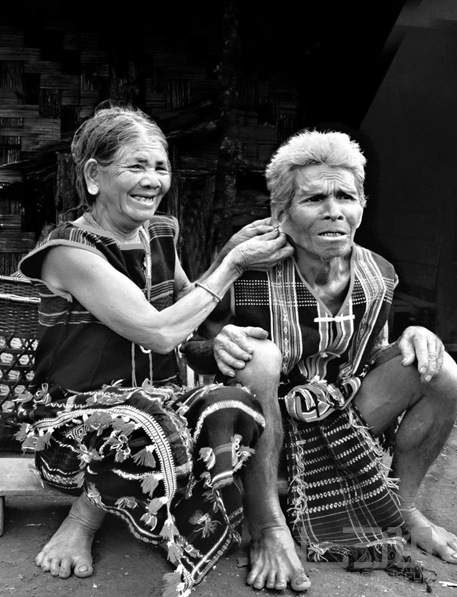
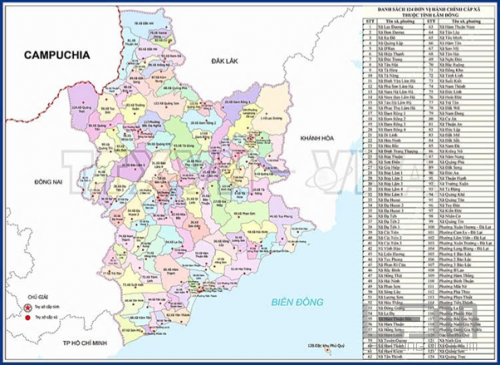
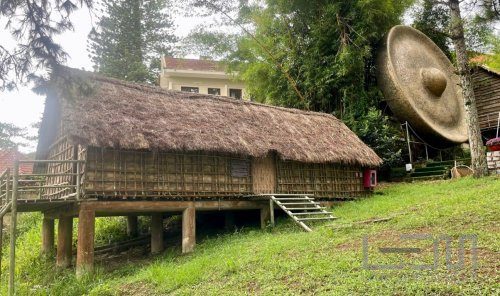
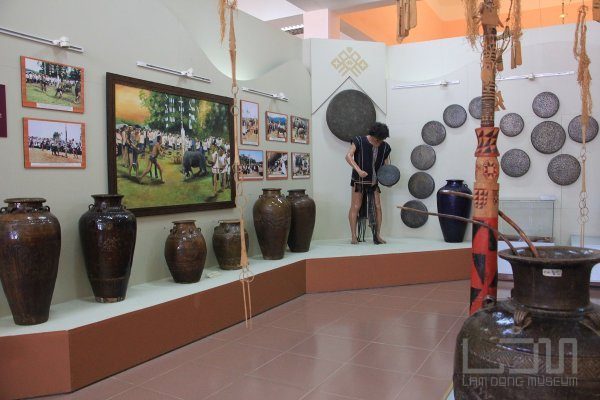
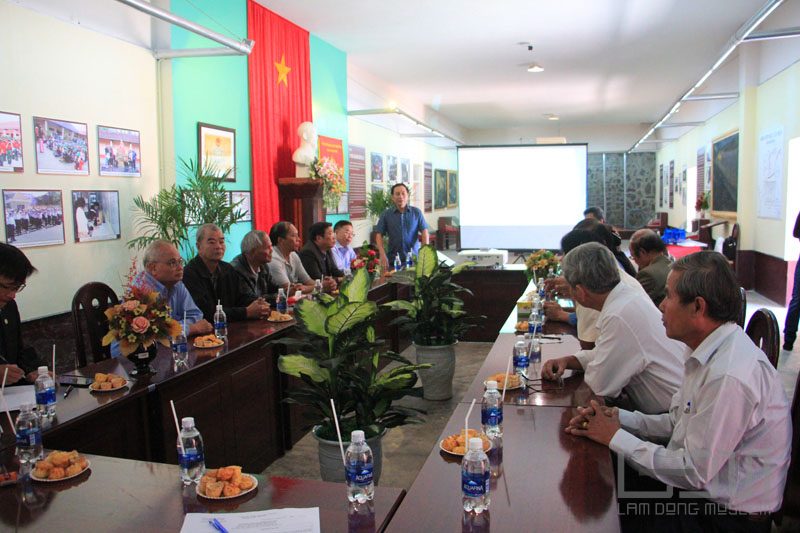
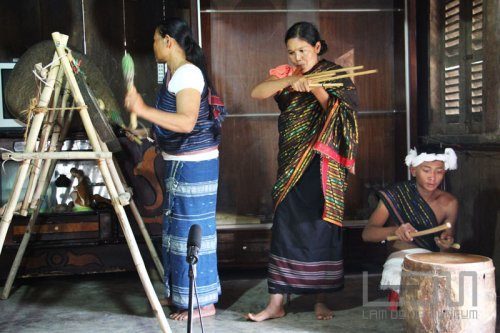
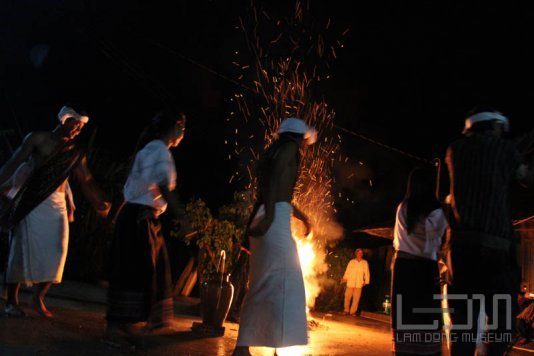
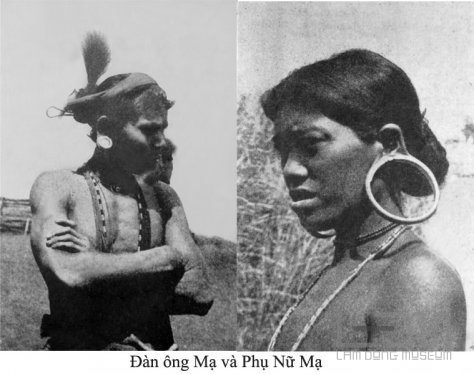
Second, Mass mobilization work is associated with research, inventory and promotion of heritage values. In cultural and historical research, Museum staff need to consider the community as an important source of knowledge. In particular, Lam Dong province has a diversity of history, culture and resident community. Therefore, the process of researching, collecting and creating display content needs to respect cultural diversity, listen to the voice of the community and focus on the role of those who are directly preserving, practicing and transmitting cultural values. When staff know how to listen and dialogue with the community, many cultural values can be more fully identified, limiting one-sided approaches and contributing to improving the authenticity and vividness of museum activities.
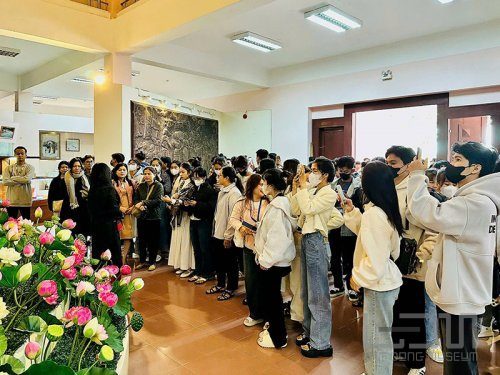
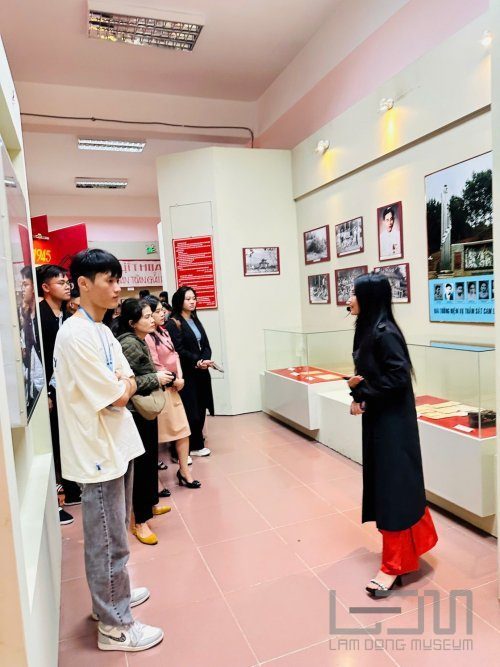
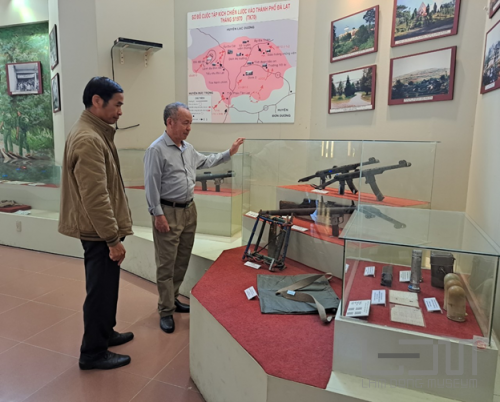
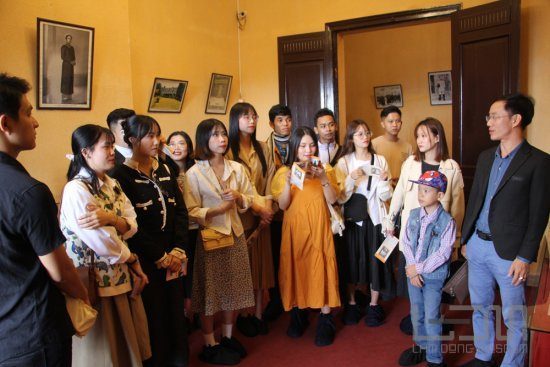
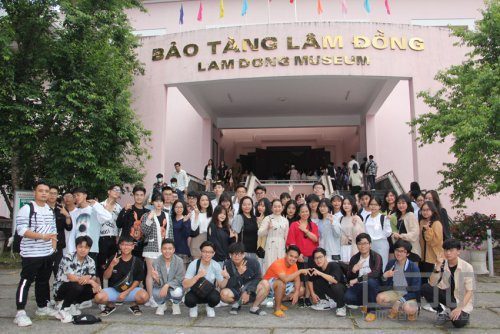
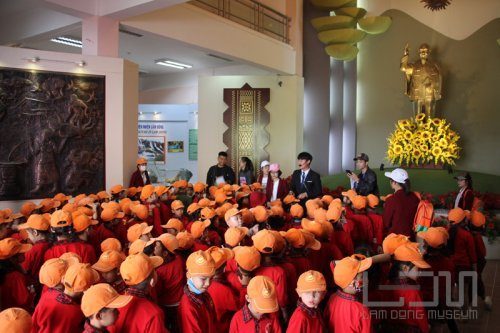
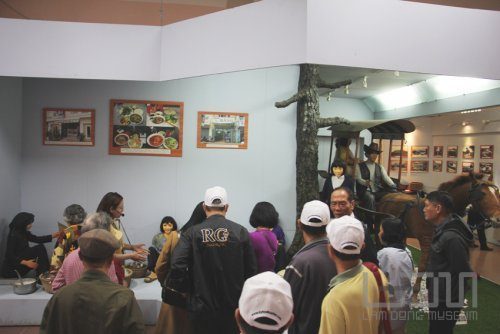
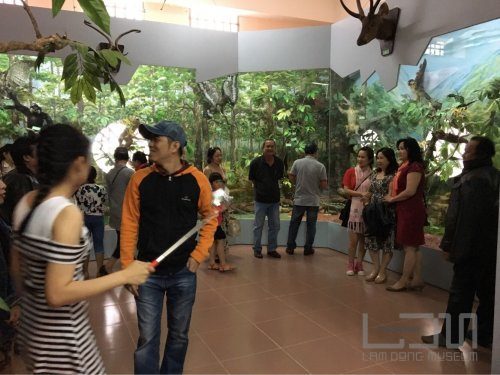
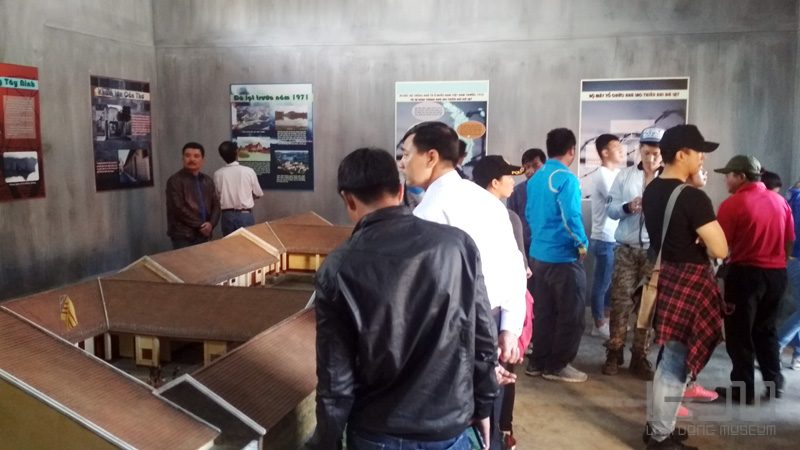
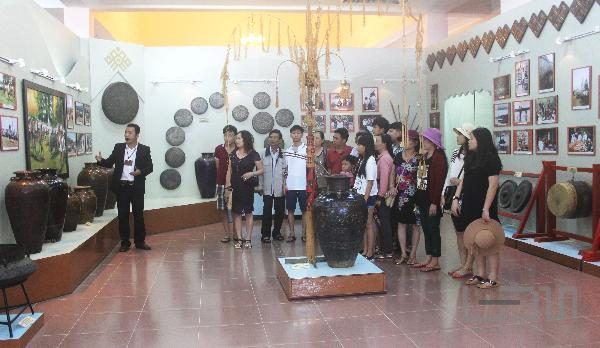
Thba, Public Mobilization work associated with serving the People and visitors. Visitors are one of the subjects who directly perceive the quality of the Museum's operations. Therefore, the service attitude of officers and employees is very important. Each Officer needs to determine: People and visitors come to the Museum not just to "see artifacts", but also to learn, experience, study and connect with history and culture. Therefore, staff need to have a friendly, polite attitude, proactively guide and explain appropriately to each target group. For students, there needs to be a way of communicating that is lively and easy to understand. For the elderly, it is necessary to focus on listening and creating conditions for them to share memories and historical stories. For tourists, it is necessary to introduce the unique values of local history and culture. For those who provide materials and artifacts, it is necessary to show appreciation for their contributions. That is People's Mobilization through attitude, action and service quality.
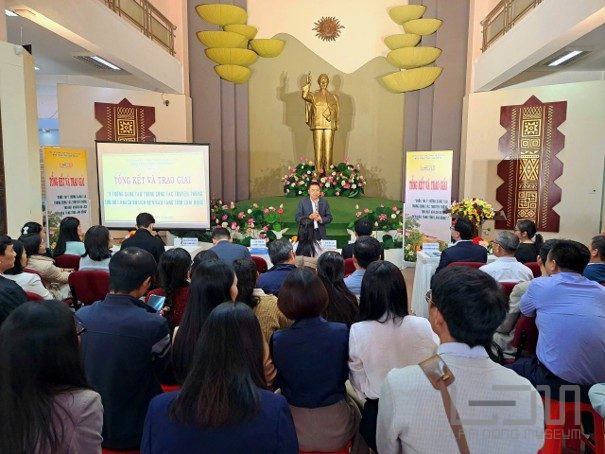
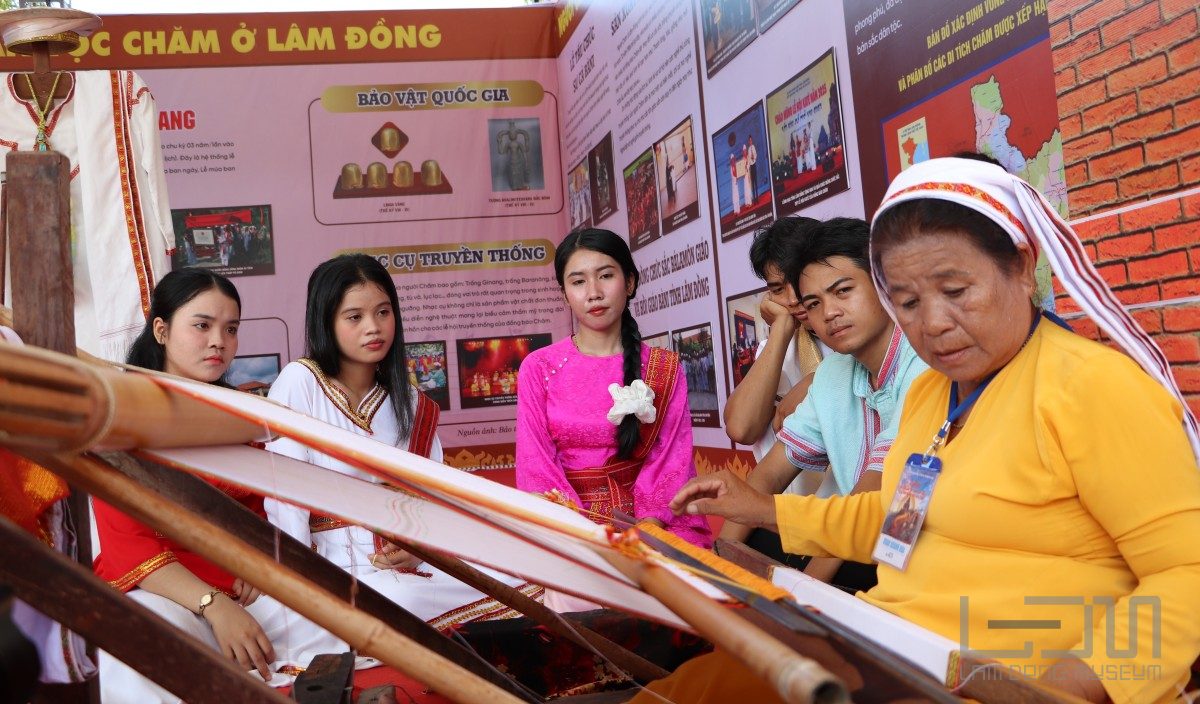
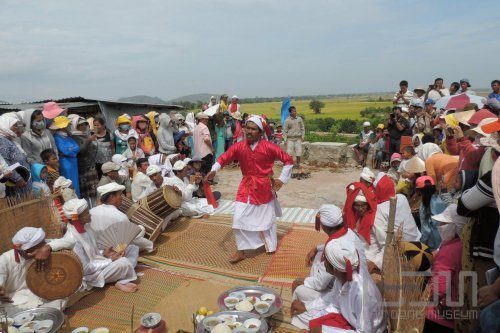
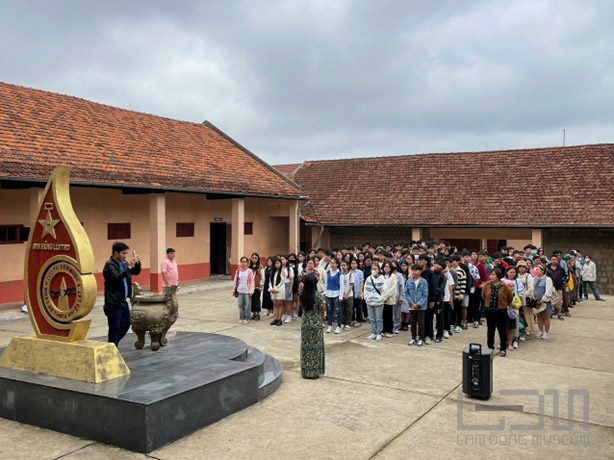
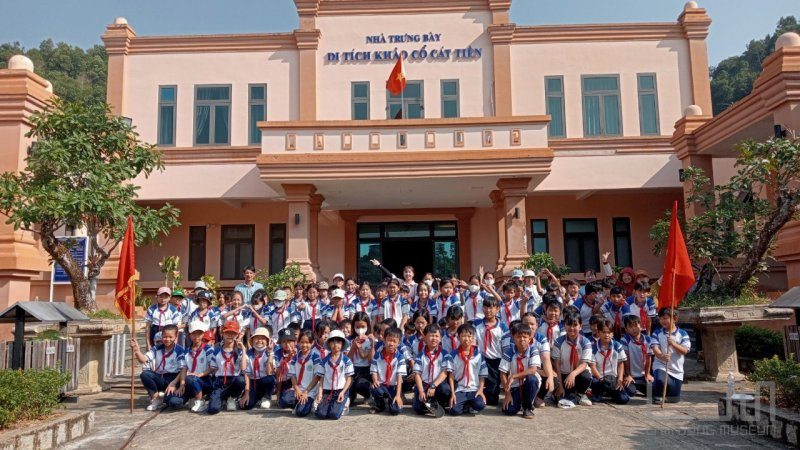
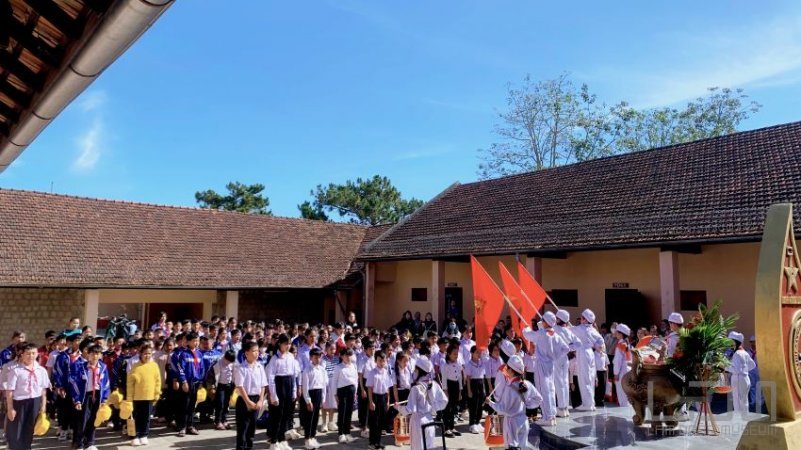
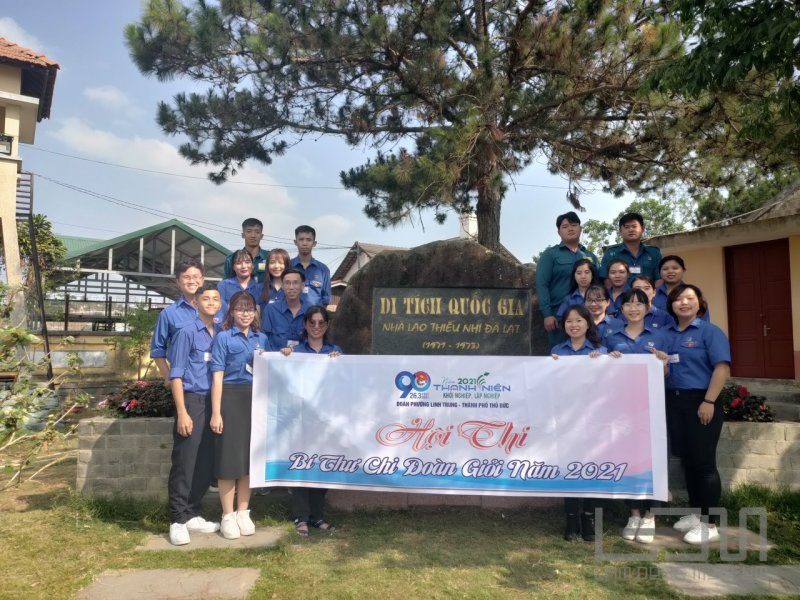
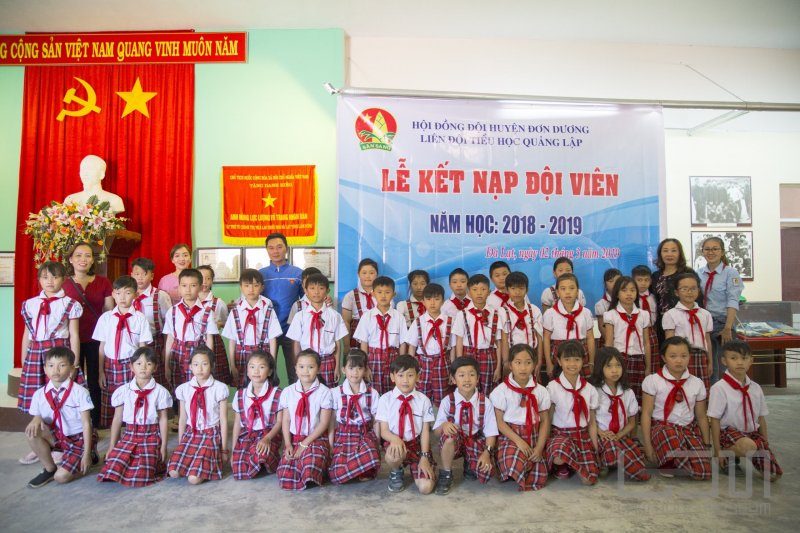
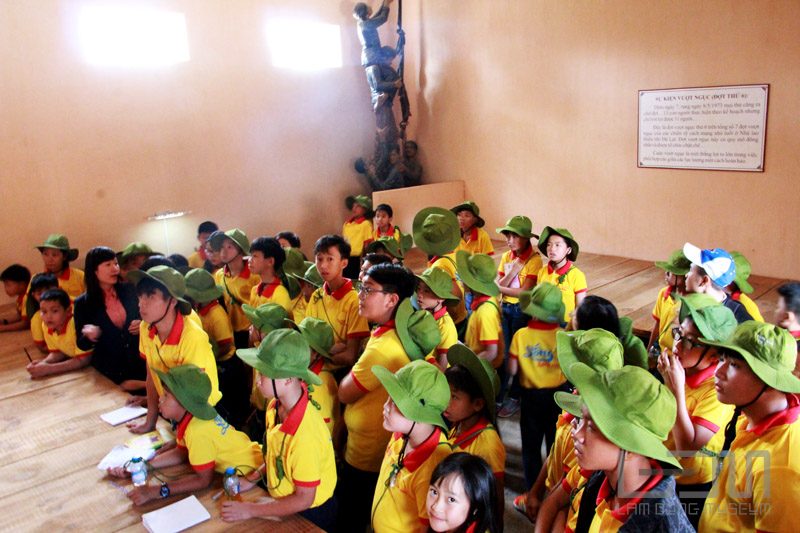
Wednesday, Public mobilization work associated with heritage education and community activities. Museums need to proactively bring heritage closer to the people, especially the younger generation. ThroughHeritage education programs, experiential activities, seminars, thematic talks, competitions to learn about history and culture, and coordination activities with schools and the community, the Museum can create many opportunities for people to directly participate in the process of receiving and promoting heritage values. Thereby, the Museum not only introduces heritage to the People but also creates conditions for the People to participate in protecting and promoting heritage values.
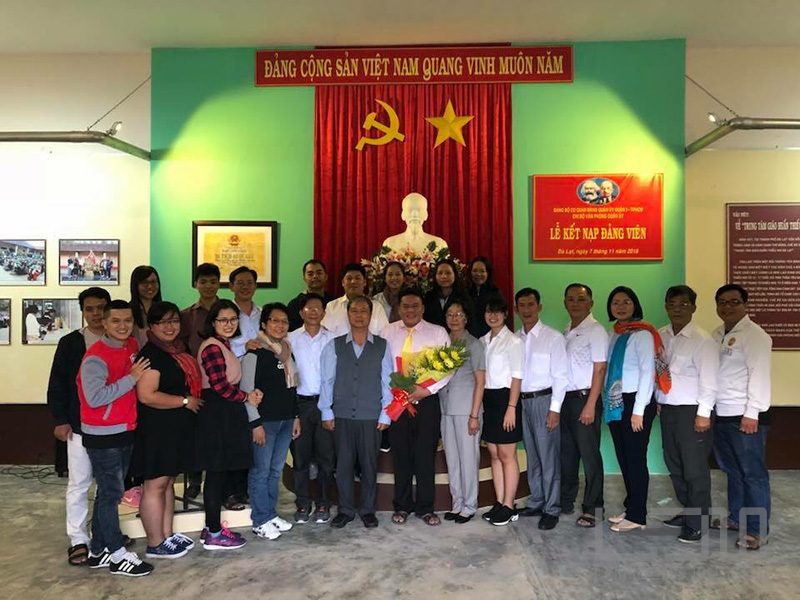
Thursday, Mass mobilization work is associated with building a team of officials, employees and workers. To be effective, mass mobilization work must start from the cadres, civil servants and workers themselves. For the Museum, staff not only perform professional duties but also act as a bridge between the Museum and the People and the community.
Closeness to the people is first of all closeness in communication, without a distant or bureaucratic attitude; At the same time, regularly go to the facility, interact with the community, learn about cultural life, and listen to those who are preserving memories, documents, artifacts and heritage values.
Understanding the people is not only knowing what the people need, but also understanding their thoughts, customs, habits, and ways.perceived and cultural values that the community values. If you want to properly research a community, you must first understand that community; If you want to properly preserve a cultural value, you must first listen to those who are preserving and practicing that cultural value.
Respecting the people is shown by valuing the opinions, contributions and knowledge of the People. A person may not have a professional degree but has valuable knowledge about family history, village history, traditional occupations, customs, practices, artifacts or stories that have not been fully recorded in books. If staff know how to listen, appreciate and verify that knowledge, it will contribute to enriching the Museum's resources.
Serving the People is expressed through making history and culture easily accessible to the people; build a friendly visiting environment; innovate the content and form of display; strengthen heritage education activities; applying technology to bring heritage to more people; At the same time, receive and appreciate public feedback.
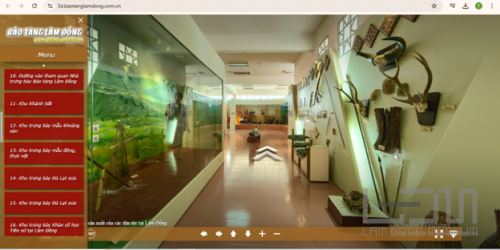
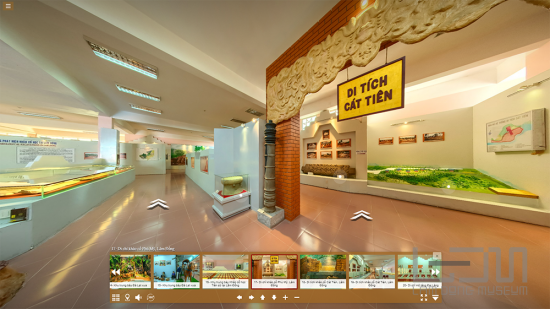
Friday, Public Mobilization work is associated with digital transformation. Digital transformation opens up directionsA new way for the Museum to reach the People and the wider public. Through websites, social networks, online exhibitions, digital databases, images and videos introducing artifacts..., people can access historical and cultural values without necessarily having to go directly to the Museum. This is also a method of mass mobilization suitable to the requirements of modern society.
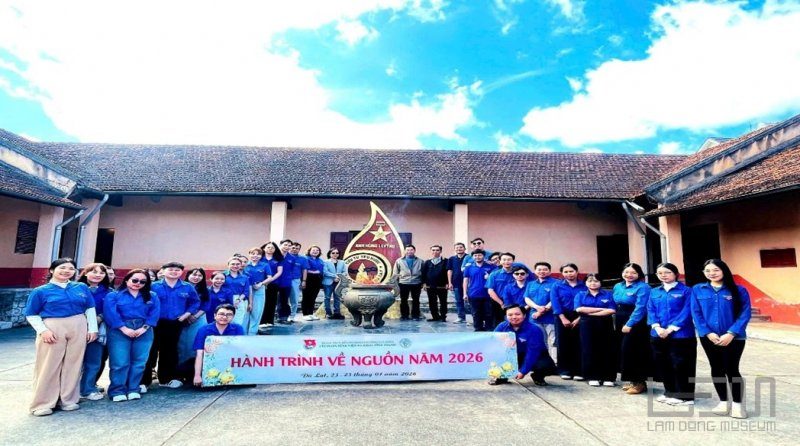
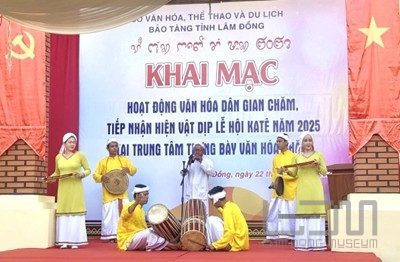
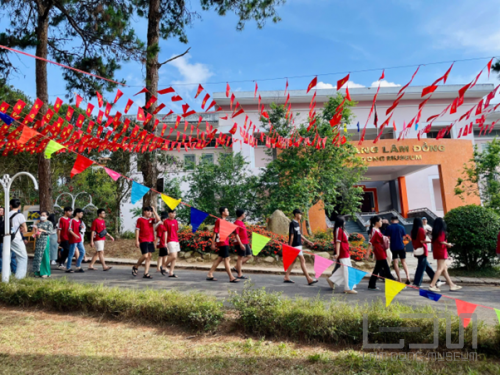
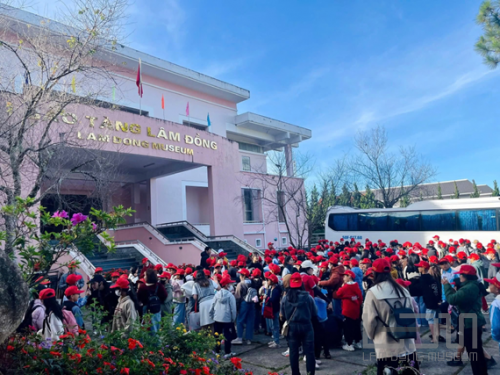
In recent times, the Public Mobilization work at Lam Dong Provincial Museum has achieved many remarkable results, demonstrated in many areas such as collecting, researching, inventorying, preserving, displaying, educating heritage, serving visitors and coordinating with localities, schools, and communities in preserving and promoting heritage values. Through professional activities, the relationship between the Museum and the People and the community is gradually strengthened. Many documents, artifacts, historical and cultural information were provided by the People; Many educational, experiential and propaganda activities about heritage are implemented; The role of the community in preserving and promoting heritage values is increasingly emphasized.
However, mass mobilization work still needs innovation in both content and method. Going to the facility, continuedRegular contact with the community in some areas needs to be strengthened; Methods of receiving and responding to public opinions need to be more focused and flexible; Forms of heritage propaganda and education need to continue to diversify, become more attractive and attractive; The application of digital technology needs to be closely linked to the access needs of each public group.
From that practice, it can be seen that Public Relations work at Lam Dong Provincial Museum is not a separate task but needs to be performed regularly, associated with each job position, each professional task and each activity of the unit. Each officer, employee, and worker needs to become a bridge between the Museum and the people, community, and visitors. Thereby contributing to well performing political tasks, improving the quality of the Museum's operations and promoting the cultural heritage value of Lam Dong province.
Mass mobilization work is an important content in the work of building the Party and building the political system. For the Lam Dong Provincial Museum, the work of Mass Mobilization has special significance because the Museum's target audience is the people, community and society. Doing good public relations work will help the Provincial MuseumLam Dong mobilized social resources in heritage conservation, received many valuable documents, gained a deeper understanding of community cultural life and improved the quality of public service. Therefore, each party member, officer and employee of the Museum needs to: Be close to the people to understand the people; Respect the people to listen to the people; For the people to serve the people; From the people to preserve and promote the cultural and historical values of the homeland.
Each individual and department who does their job well, is responsible to the People, has a civilized, dedicated and professional service attitude is contributing to building the image of Lam Dong Provincial Museum as friendly, close, professional and serving the People. That is also a practical way to build clean and strong cells and agencies; Build a team of officials and party members with qualities, capabilities, and prestige and build an increasingly developed Lam Dong Provincial Museum, meeting task requirements in the new period.