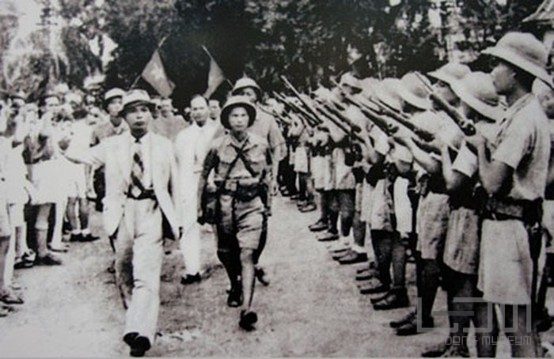
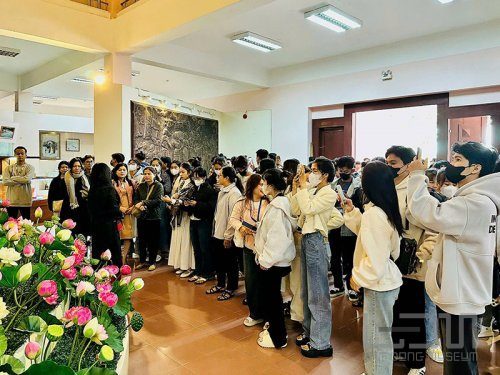
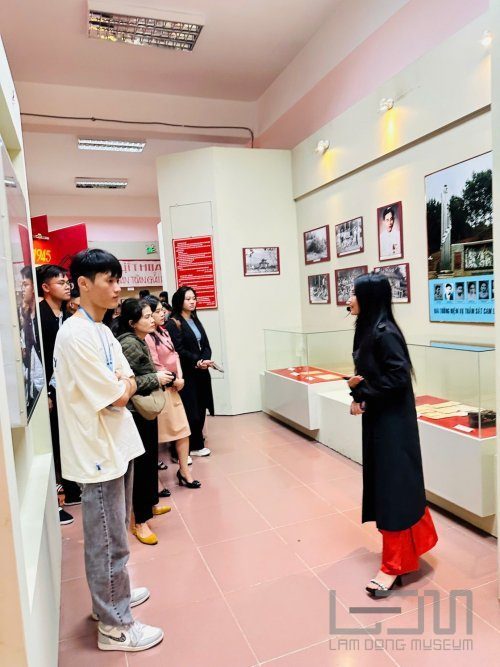
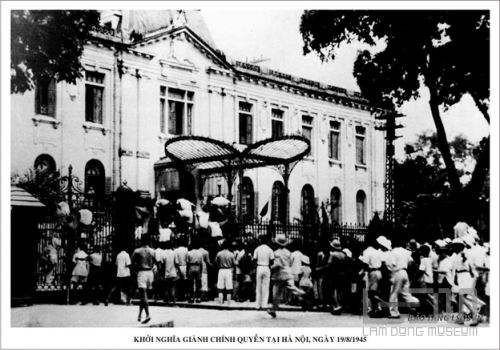
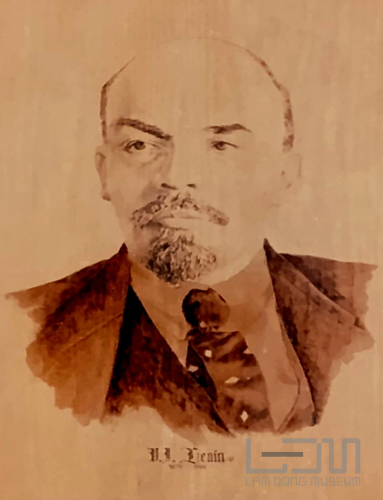
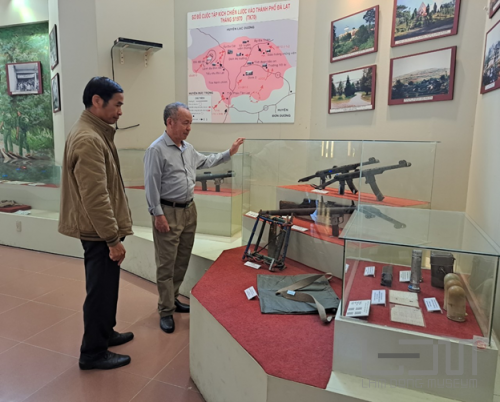
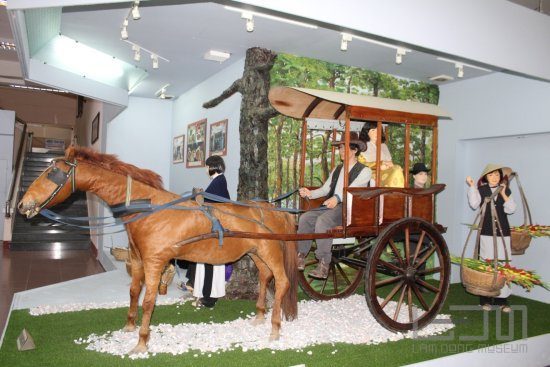
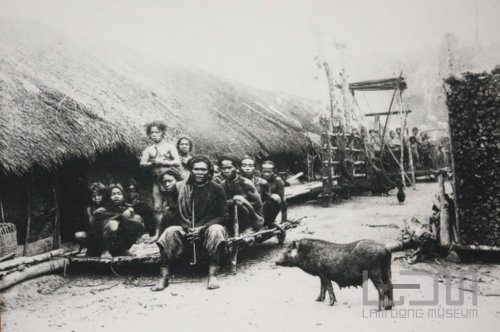
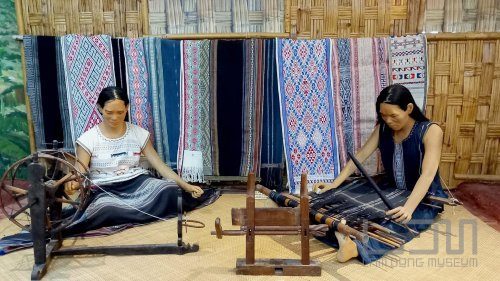
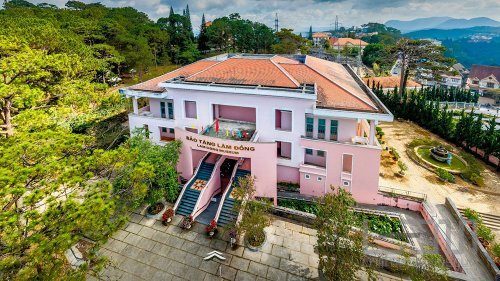
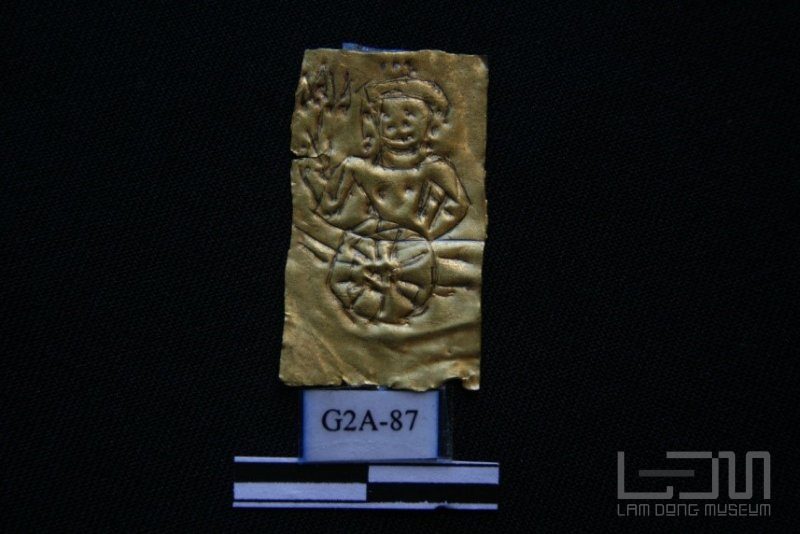
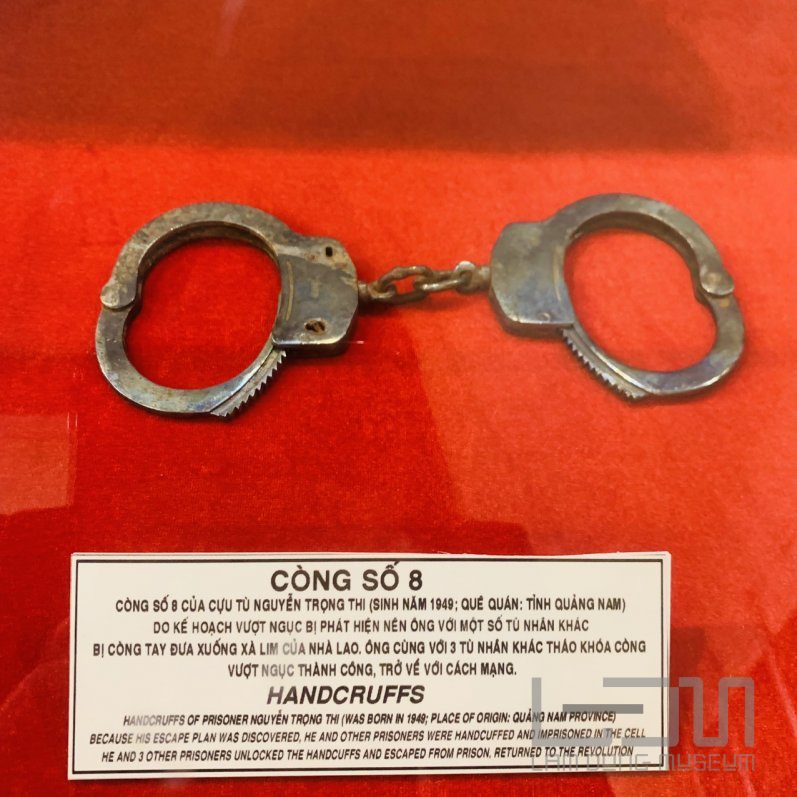
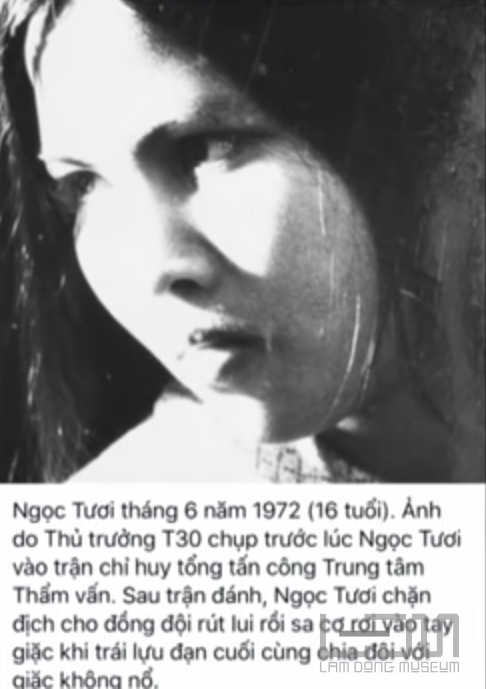
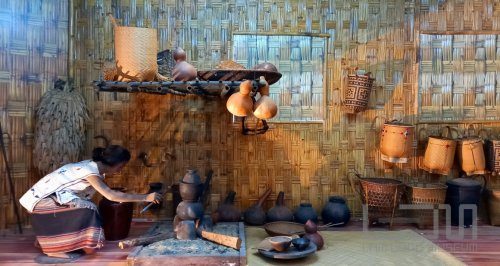
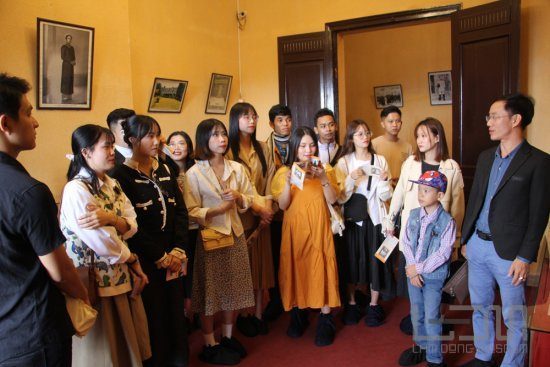
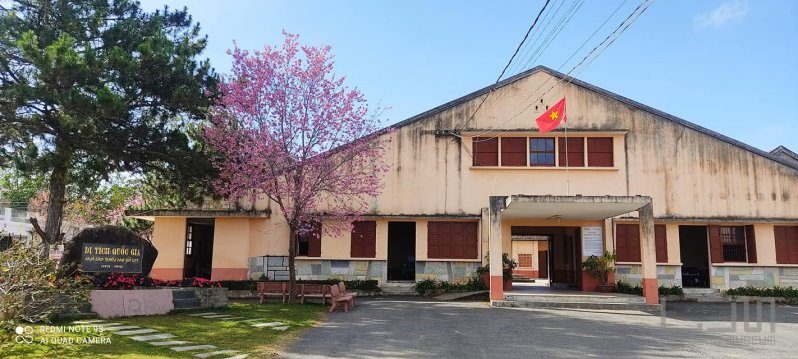
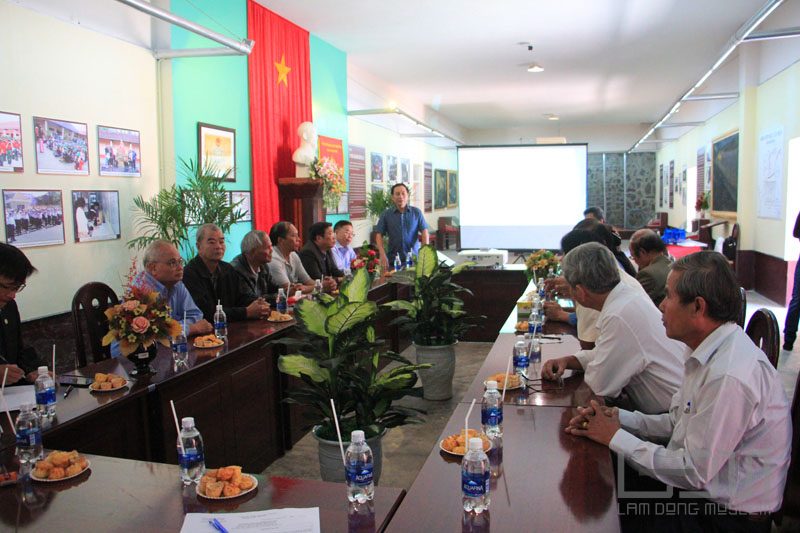
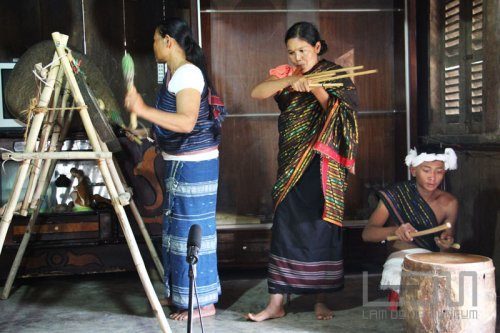
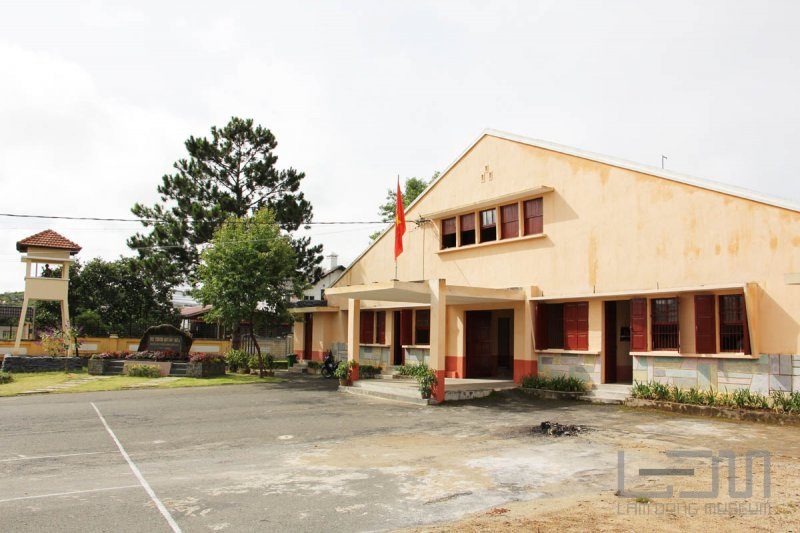
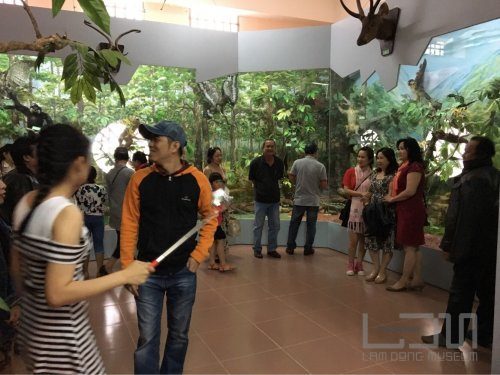
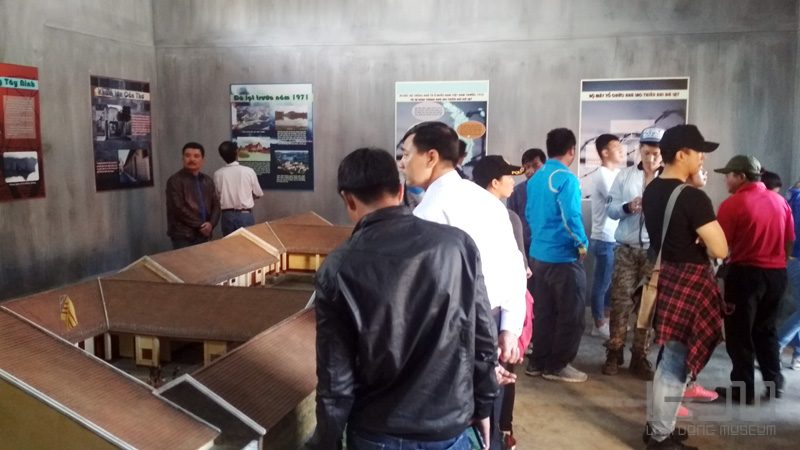
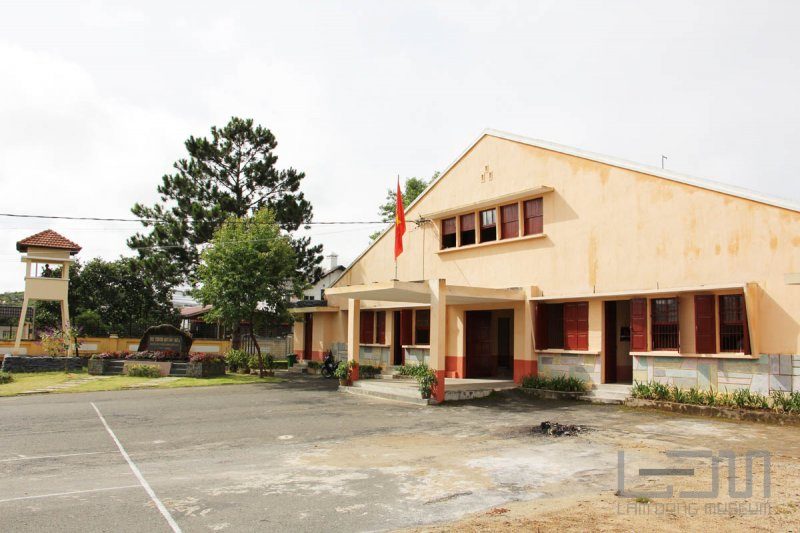
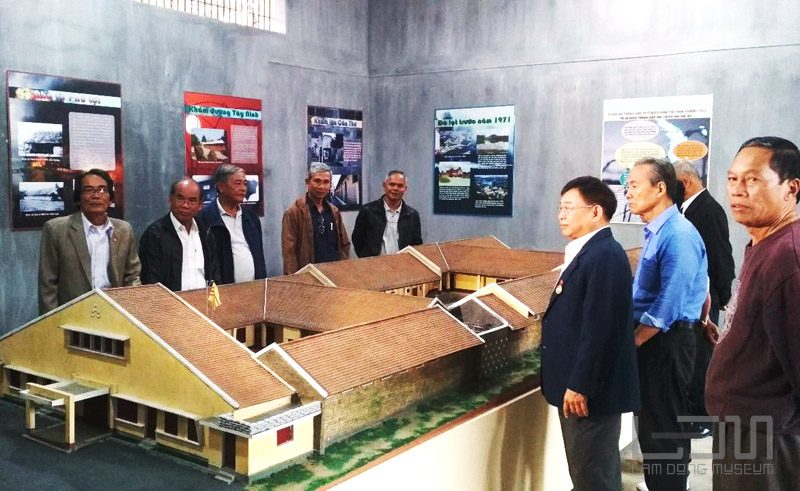
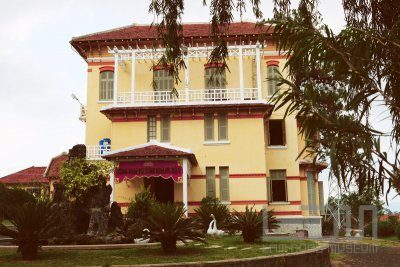
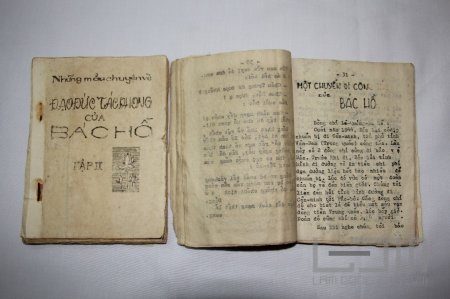
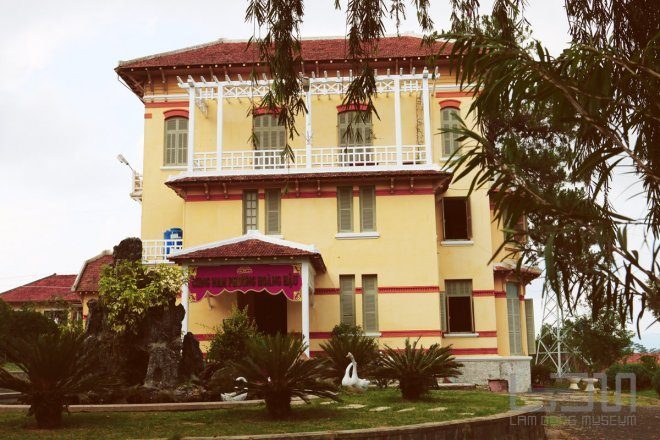
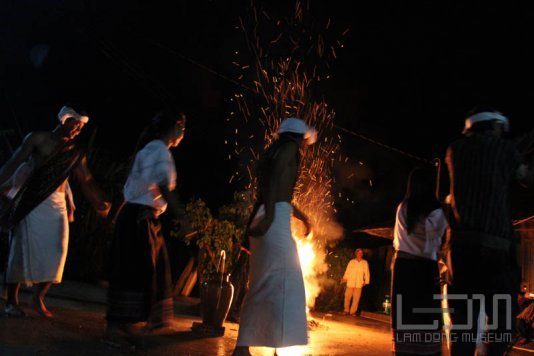
In the heroic atmosphere of those historic autumn days, looking back at the great victory of the August Revolution in 1945, we cannot help but be moved by the resilient and courageous spirit of our ancestors' generations. At the Lam Dong Provincial Museum, the simple and rudimentary historical memorabilia that are being respectfully preserved are vivid proofs, truly reproducing the rising spirit of the people of Lam Dong ethnic groups under the leadership of the Party.
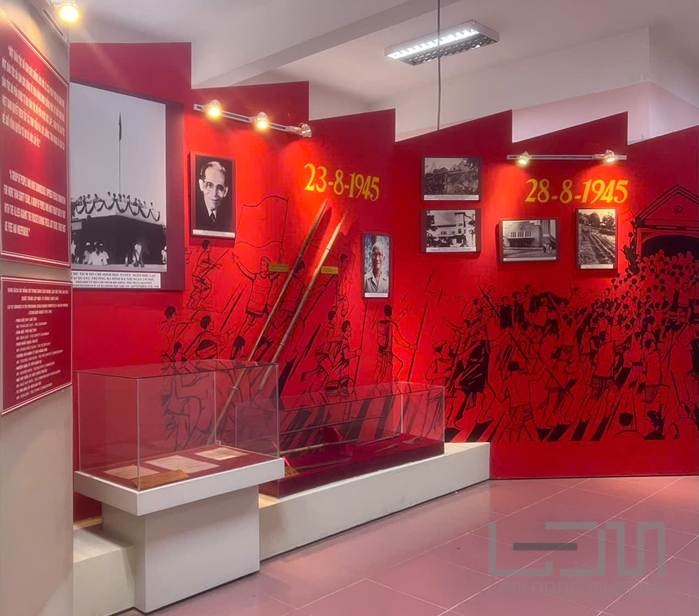
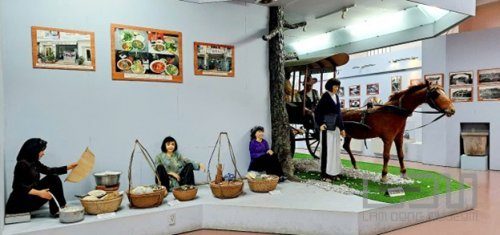
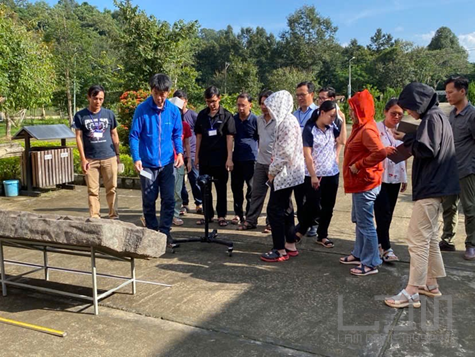
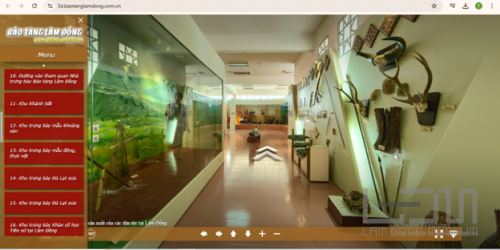
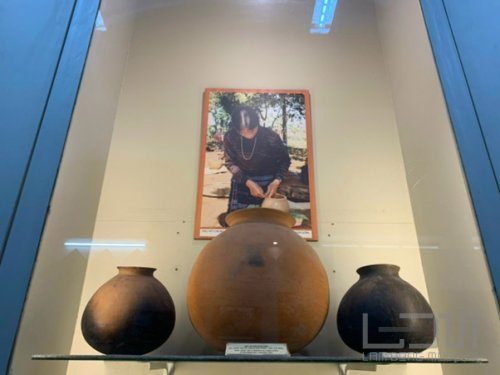
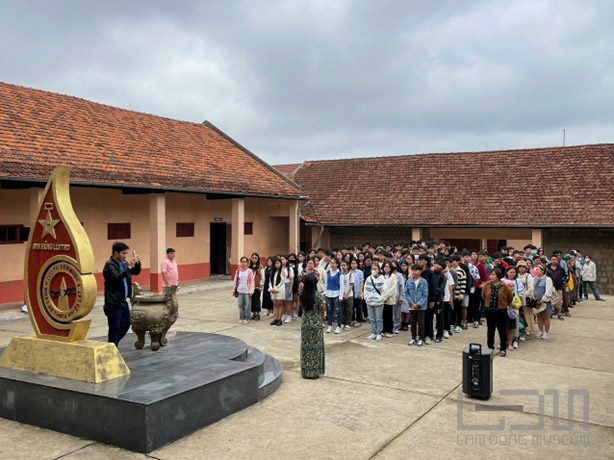
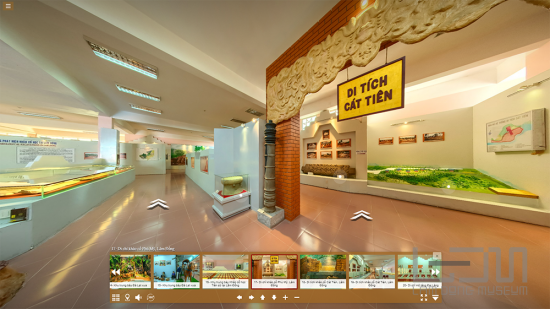
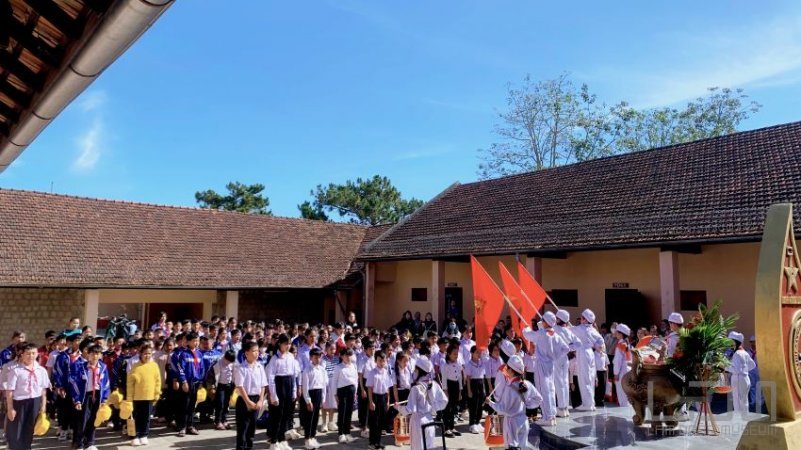
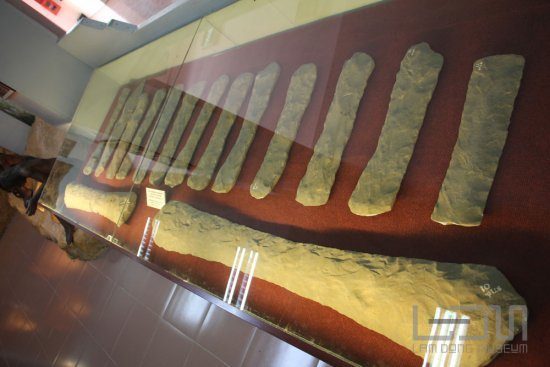
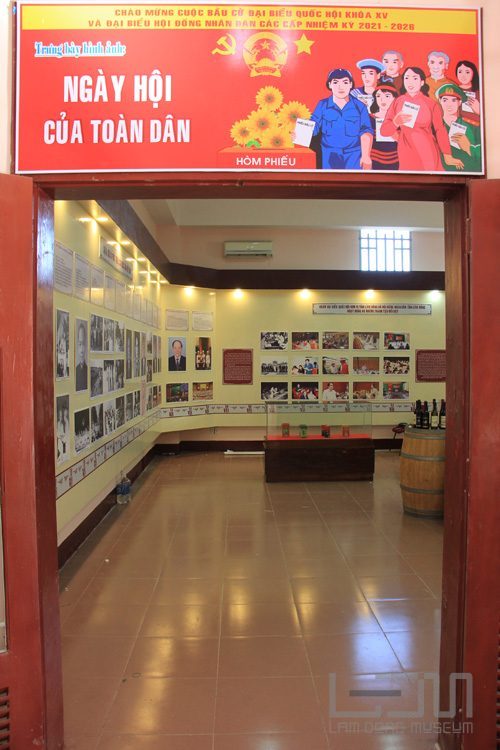
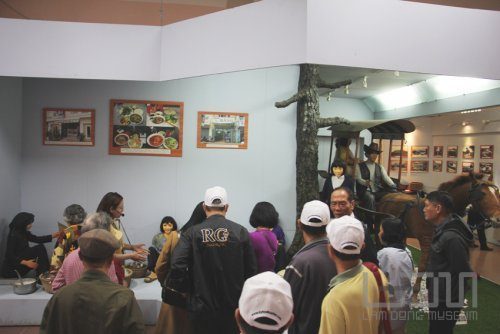
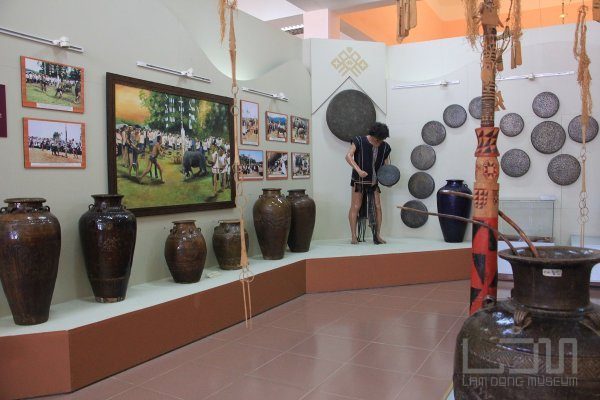
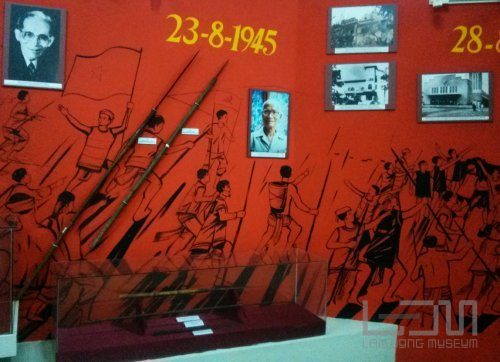
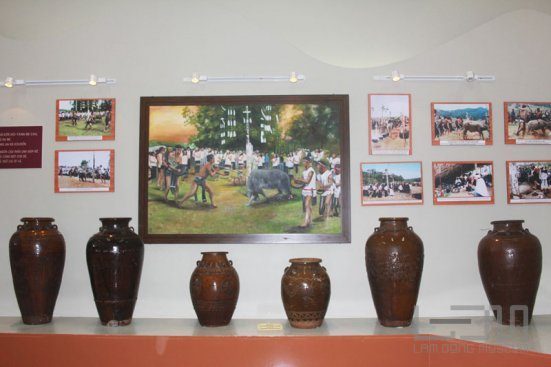
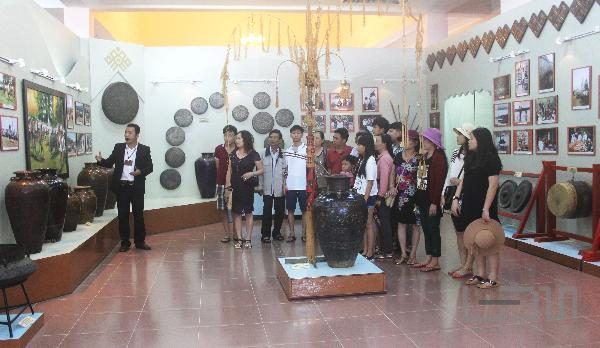
A corner displaying the August Revolution of 1945, at Lam Dong Provincial Museum
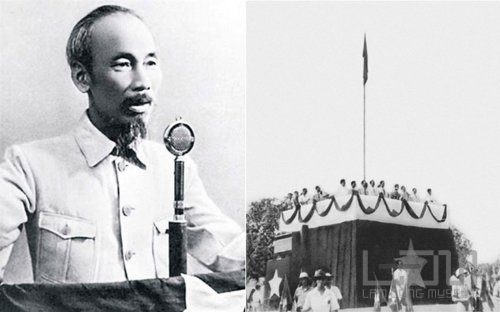
In the fall of 1945, when the decisive moment for the nation's destiny had come, President Ho Chi Minh's call for a national uprising was like a fire that ignited the passionate patriotism of people in all parts of the country: “The decisive hour for our nation's destiny has come. All countrymen, please stand up and use our strength to liberate ourselves. Many oppressed peoples in the world are competing with each other. move forward to winindependent rights. We cannot delay. Go ahead! Go ahead! Under the Viet Minh flag, our compatriots should courageously advance!”.
In response to that sacred call, the people of Lam Dong unanimously rose up to disarm the Japanese fascists, smash the yoke of domination, and establish a revolutionary government. In that unequal battle over equipment, working tools and everyday items - from the field-cutting tool, the hammer blade used in the home, to the dagger forged by the carpenter himself, turned into sharp weapons, together with the revolutionary soldiers writing heroic stories.
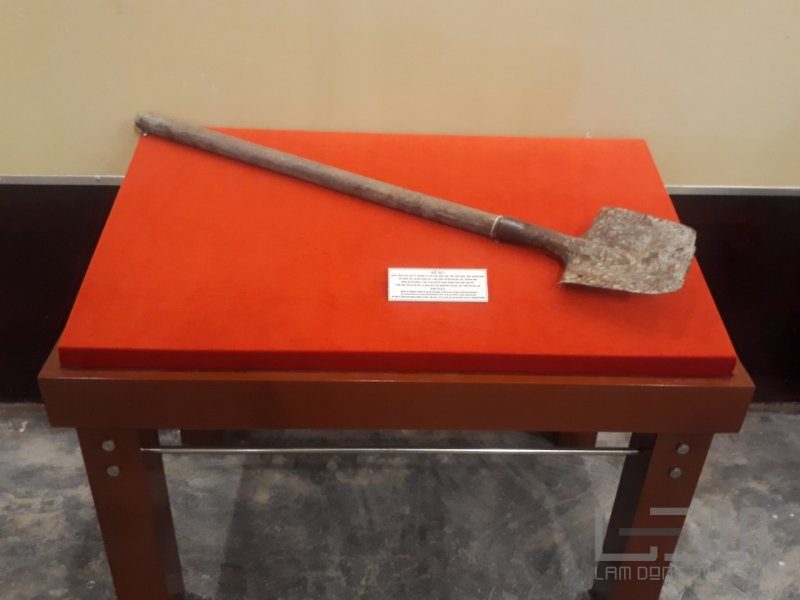
The seething uprising carried the spirit of a resolute attack, when the rustic bicycle of Mr. Tran Van Thong (Xuan Son village, Xuan Truong commune, now Xuan Truong Ward - Da Lat, Lam Dong province) - a familiar gardening tool of highland farmers, accompanied the revolutionary soldier throughout the journey from Cau Dat, D'Ran to Di Linh.
Recognizing the intentions of the Japanese fascists when forcing the youth of the Security Youth Union to dig military tunnels in Chi Lang, comrade Trinh Ly - a steadfast party member took the initiative to gathergathered a group of young people including Uncle Thong and armed himself to rebel and seize power. Faced with the surging power of the People, the Japanese army at Cau Dat station (now in Xuan Truong ward - Da Lat) was forced to surrender, handing over the entire camp with 6 guns, then equipping our self-defense forces. Immediately after this victory, comrade Trinh Ly continued to lead the force down to D'Ran.

At about 6:00 p.m. on August 19, 1945, with determination and skill, we successfully persuaded the Japanese army in D'Ran to surrender, seizing 51 guns and giving them to the D'Ran youth self-defense force. Here, Cai Ho and the Thang team were also enlightened and followed the resistance.
At about 13:00 on August 20, 1945, the forces to seize power gathered at Lang Hanh coffee shop. Comrade Trinh Ly and the Thang team went to Di Linh to convince Manager Cao Minh Hieu. At 4:00 p.m. the same day, CaoMinh Hieu surrendered and handed over 120 guns (including 3 machine guns). Comrade Trinh Ly immediately mobilized the people to organize a victory rally at Di Linh stadium before the forces returned to D'Ran at night. Throughout that heroic history, the rudimentary Sanskrit was always a reliable "travel companion", making the fascist army terrified by the indomitable spirit of the People.
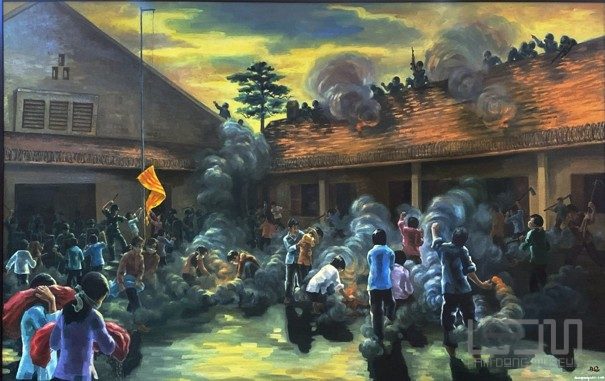
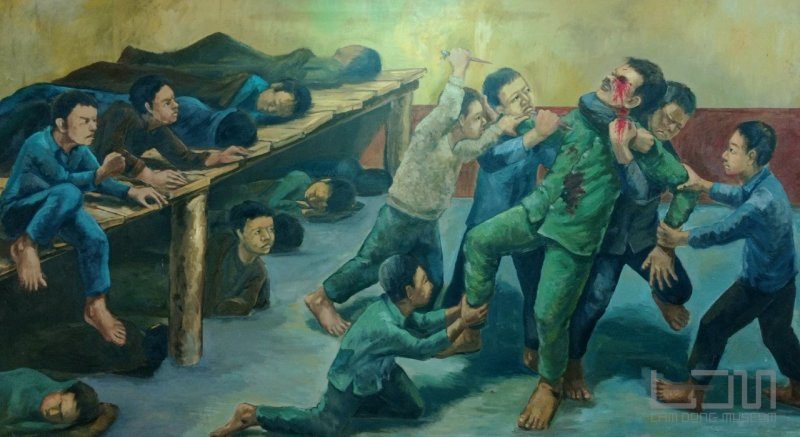
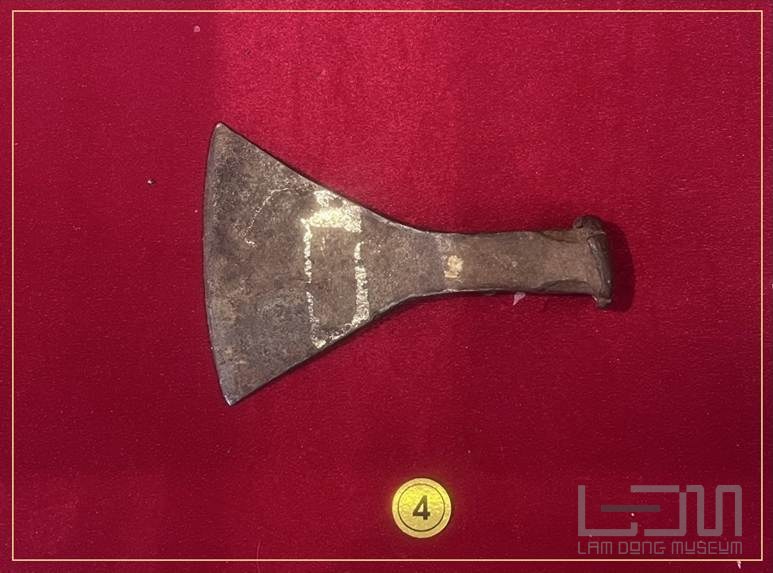
The revolutionary spirit not only swept through every village, swept through enemy posts, but also burned right in the urban center of Da Lat with fierce hand-to-hand battles. At Da Lat Stadium in 1945, responding to the call of the Viet Minh Front, he was not afraid of danger, carrying the family hammer he used every day to cut down the layers of barbed wire fence, creating favorable conditions for the masses to rush in to disarm the Japanese army. In that fierce battle, Mr. Luu Van Du heroically sacrificed himself right on the threshold of freedom. That hammer, soaked in blood and tears, not only opened the way for his comrades to attack, but also turned into a sacred artifact of the blood and bones shed for the dawn of national independence.clan.
That heroic sacrifice further ignited the determination to fight against the Japanese to save the country in the hearts of the masses, especially the working class. Responding to the rising wave of revolution, whoever had a gun used a gun, whoever had a sword used a dagger, Mr. Nam Ho - a carpenter, forged a sharp dagger himself to arm himself and unite with the masses. With a small dagger in hand, Mr. Nam Ho and a large number of workers in Da Lat bravely participated in the Japanese battle on August 27, 1945 at key targets, such as: Light House, Palace Restaurant and Treasury. Although the unequal force and primitive weapons caused more than 40 workers to heroically sacrifice their lives, the brave battle at the Light House and the image of a self-forged dagger have become an immortal symbol of the mountain town workers' fierce patriotism and single-minded determination to follow the Party.
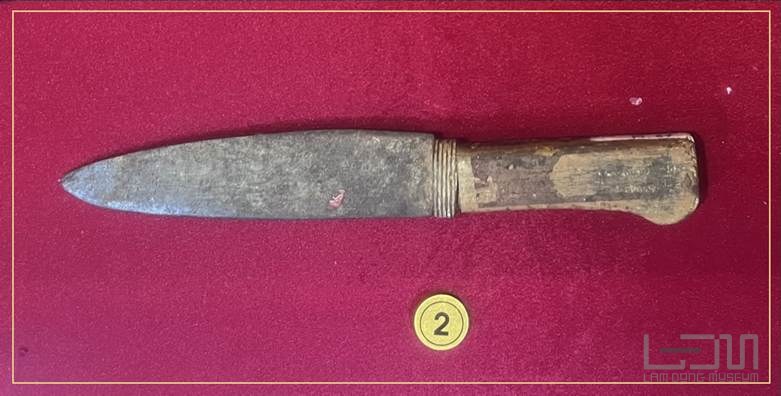
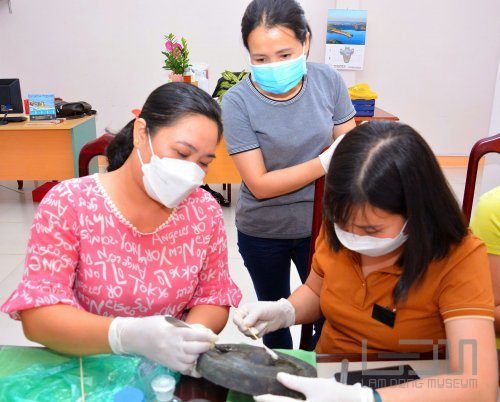
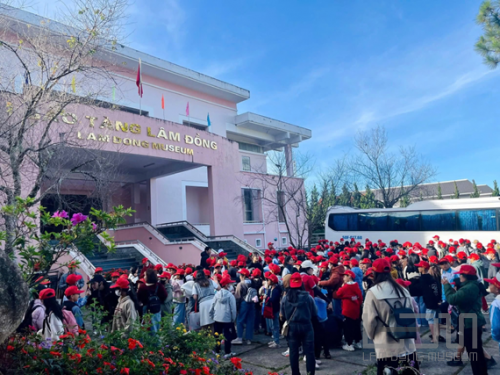
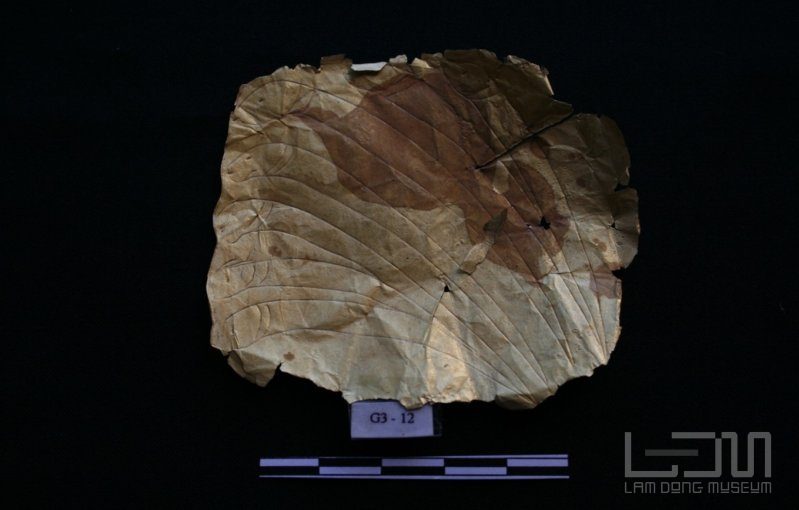
Now, when the smoke and fire of war has receded, precious historical artifacts are still quietly gathering under the common roof of Lam Dong Provincial Museum to preserve and promote their value. From the Sanskrit that Mr. Tran Van Thong continued to use in family activities before donating it to the collection in 1980, the hammer blade that Mr. Luu Van Du's family carefully preserved as a priceless souvenir and gave it to him in 1978, to the dagger that Mr. Nam Ho kept and gave back after the day the South was completely liberated..., all combine into a seamless epic of eternal patriotism.
Through every rusty stroke on Mr. Luu Van Du's rudimentary hammer blade, the sharp and resilient sharpness of Mr. Nam Ho's dagger, or the rustic appearance of Tran Van Thong's scepter, visitors and the young generation today seem to be able to relive the boiling moments of the August Revolution of 1945. These artifacts are the bridge connecting the heroic past with the present, a solid spiritual fulcrum for the People of Lam Dong to continue. Maintain and promote revolutionary traditions, join hands to build the countrysideHuong is increasingly rich, beautiful, and civilized.