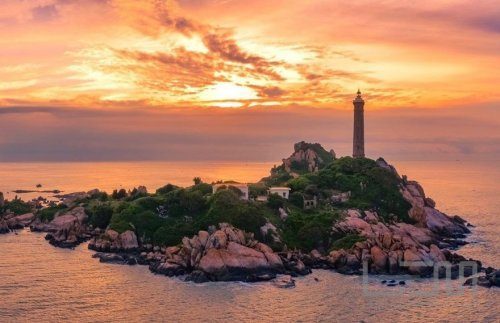
Phu Hai sea waves pound day and night, boats row out to sea, carrying with them many hopes and worries of the coastal villagers. From the hardships of making a living, residents here have formed customs and beliefs that are rich in the color of the sea. With the bustling sound of drums and the rhythm of the Ba Trao, sometimes drilling and sometimes picking up, the Fishing Festival in Van Phu Binh is still preserved as a cultural source for many generations.
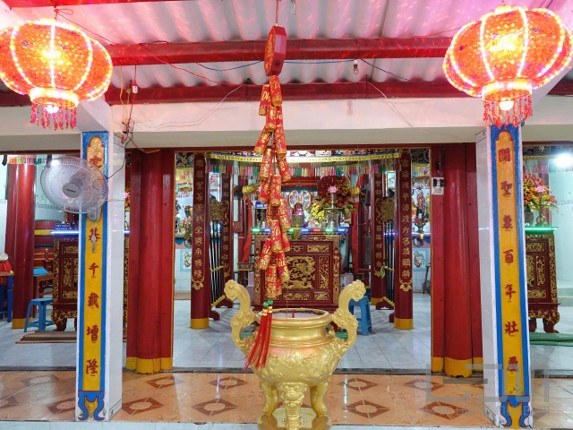
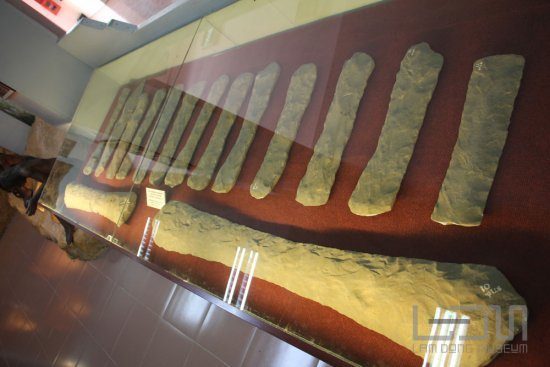
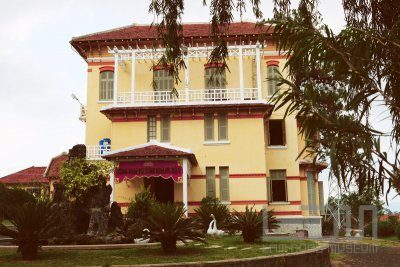
Van Phu Binh, also known as Lang Ong Nam Hai, is located at 188, Ung Chiem Street, Phu Thuy Ward, Lam Dong Province. This is the place to worship Ong fish - the sea god admired by fishermen. The skeletons of Ong fish preserved at Van are traces of the harmony between people and the sea. Every year, the Fishing Festival is held to commemorate and pay tribute to the God of the South Sea and convey the wish for a calm sea, favorable winds, a safe boat trip, and a return full of fish and shrimp.
The Fishing Festival in Van Phu Binh takes place for three days, from the 19th to the 21st of the 7th lunar month every year and is considered the biggest festival of the year. One day before the main ceremony, everyPeople in the village will come to decorate the temple to make it clean and beautiful, clean the altar, arrange the offering tray and offer incense to invite God Nam Hai to come and enjoy the ceremony.
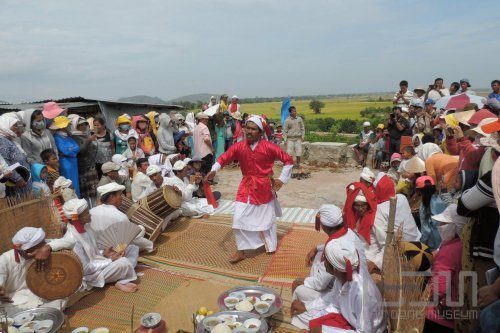
Following the following days is the official ceremony in a bustling yet solemn atmosphere, with many diverse and unique rituals. Among them, the ceremony of Nghinh Ong Sanh returning from the sea is the highlight of the Cau Ngu festival, including: Inviting the spirit, Inviting Ong Thuy Luc - rowing to process the Ong, Inviting the soul, Cheo export, Sacrificing the Nam Hai God, Khai Dien singing boi and finally the Ton Vuong.
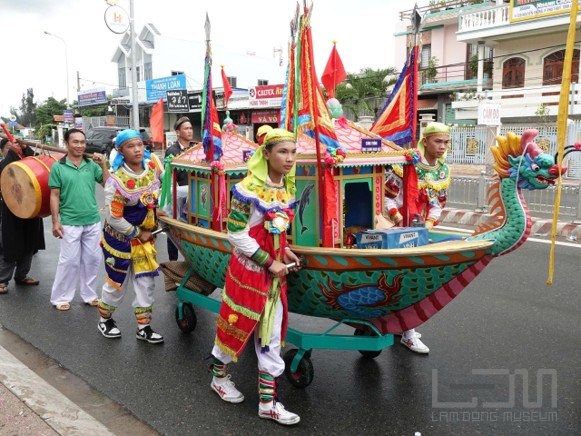
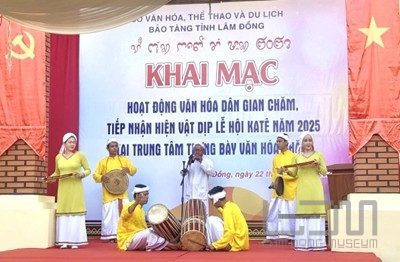
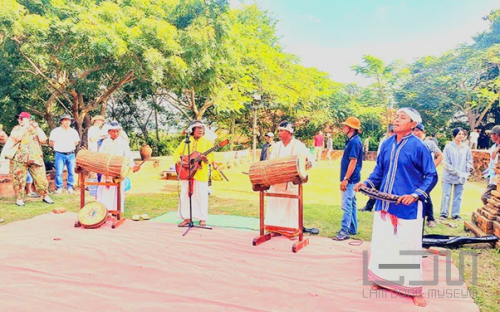
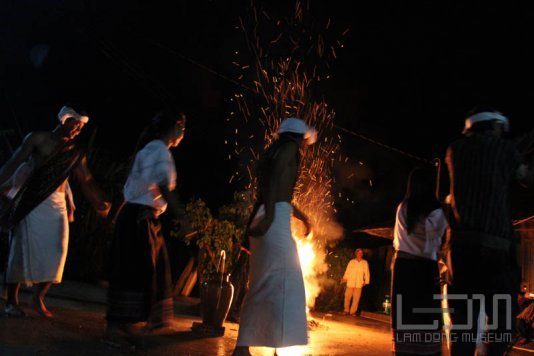
During the ceremony of Nghinh Ong Sanh returning from the sea, mixed with the sound of bustling ceremonial music, there are also chants and Ba Trao rhythm - a unique cultural feature of coastal residents. Without a real boat, just oars and a rhythmic formation and through singing, the performers created the image of a boat crossing the sea. When the sea is calm, the oars are leisurely; When the storm arose, the rowers gathered their strength to overcome the waves... Each stroke seemed to contain a whole sentence.The story of a coastal village, in the middle of the vast ocean, people must rely on each other to overcome difficulties.
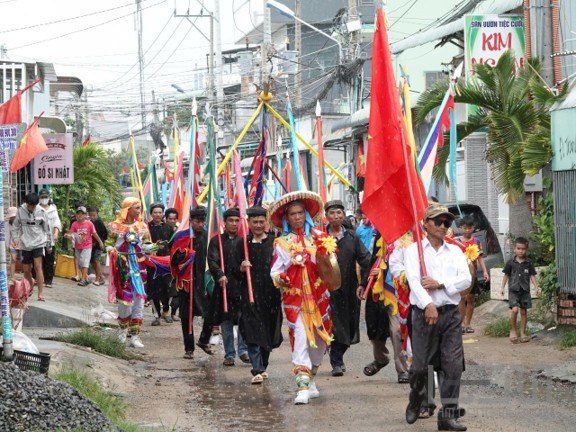
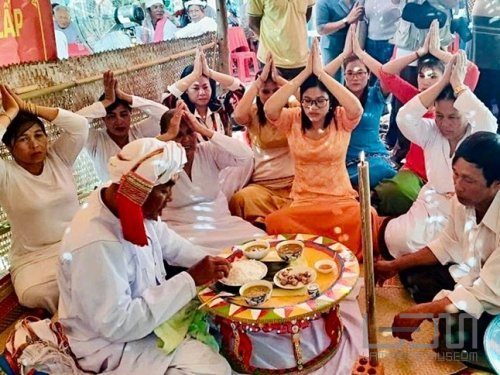
After the Nghinh Ong ceremony and the emotional Ba Trao performance, on the second day of the festival, the Nam Hai Chief Priest ceremony will take place in the most solemn and sacred atmosphere. The main offerings include 2 colorful live pigs, ducks, fruits, cakes and other offerings according to traditional customs.
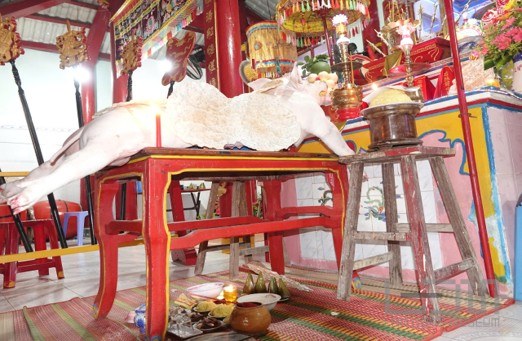
The God Sacrifice Ceremony is the most important ritual in the system of rituals of the Fishing Festival. This ceremony is considered the most sacred moment, a moment of communion to express and present the wishes of the fishermen to the Sea Gods, especially the Ong fish, whose bridge is the main worshiper and the worshiper nominated by the fishermen to perform the rituals during the festival. People believe that the more solemn and solemn the sacrifice, the more blessings and protection there will beof the Sea Gods and Ong fish to the working life at sea of fishermen.
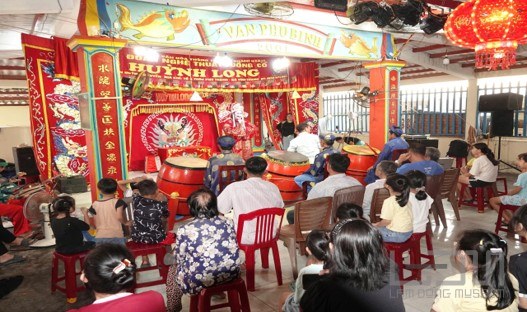
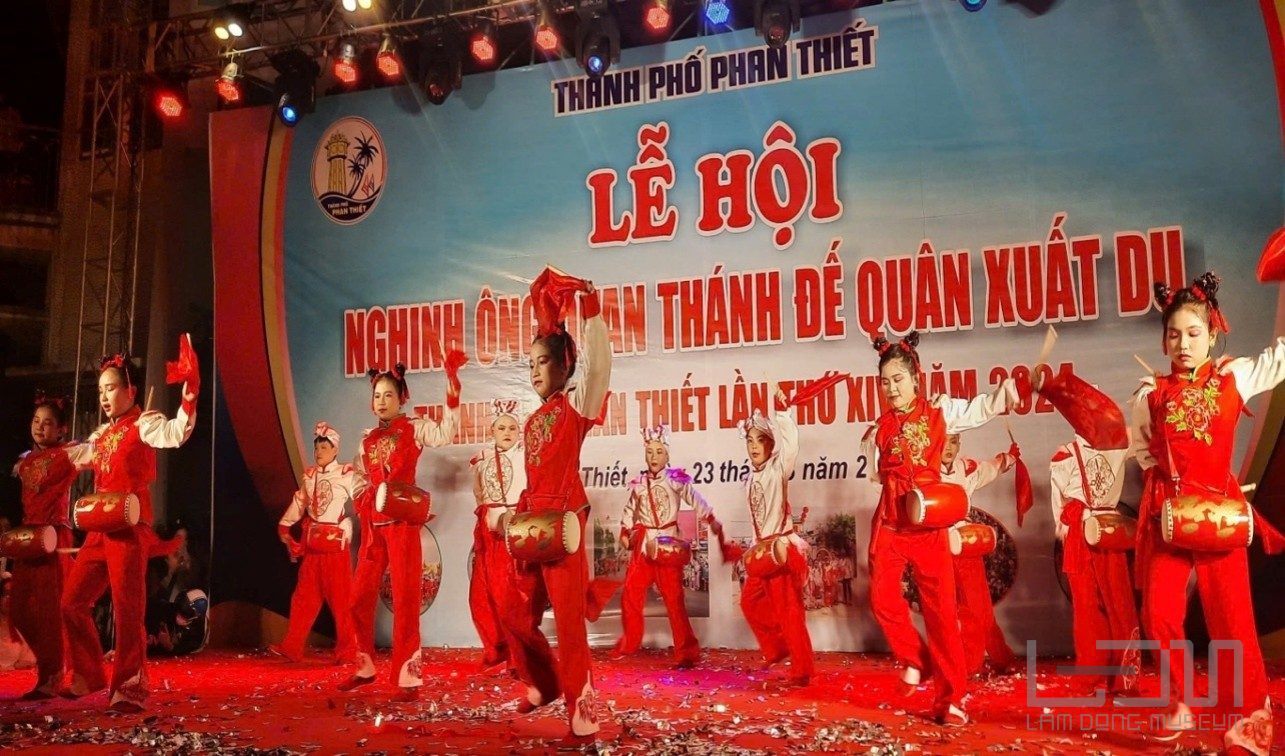
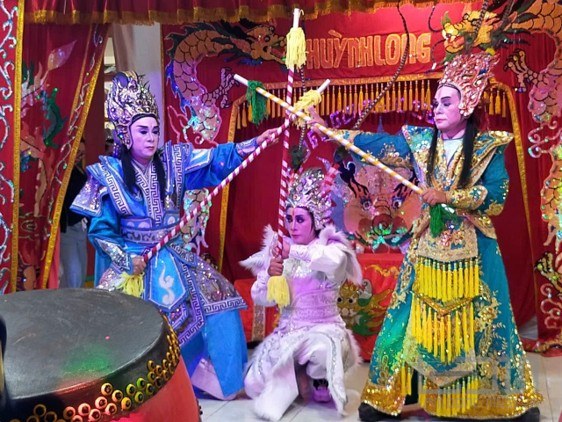
After the solemn moments of the ceremony, the sound of the opening and closing drums resounded loudly, making the space bright. The vibrant colors of the costumes, the boldly disguised faces, the music, lyrics and every performance move on stage draw viewers into a folk art space that is both ancient and familiar.
Old and young people gathered around the stage; People who came to offer incense also stayed to watch the opera. Therefore, hat boi not only contributes to the fun of the festival, but has integrated into religious life, becoming a part of the community's cultural memory. The show lasted for two days, the 20th and 21st of the 7th lunar month, before ending with the solemn Sun King ceremony.
Ton Vuong is a ceremonial ritual of the art of opera, usually performed at the end of the performance and marks the end of the Cau Ngu Festival. King worship here is not a ceremony to honor a real king, but a symbolic performance for justiceOvercoming evil, the country is at peace and life returns to happiness. Through singing and dancing performances that carry the meaning of congratulations, rituals express belief in the victory of justice, and at the same time convey the desire for a peaceful country and people, good weather, calm seas and smooth sailing trips.
Time passes, Phu Hai beach village today has many changes. The boats are more modern, people's lives also take on a new look, but the incense sticks offered to the ancestors, the sound of drums and singing of Ba Trao are still there. The Fishing Festival at Van Phu Binh is still like a return - returning to the sea, to ancestors and to the values that have nurtured the souls of generations of Phu Hai residents. Because behind a festival is not only a ritual, but also the memories, beliefs and affection of people who grew up by the sea.