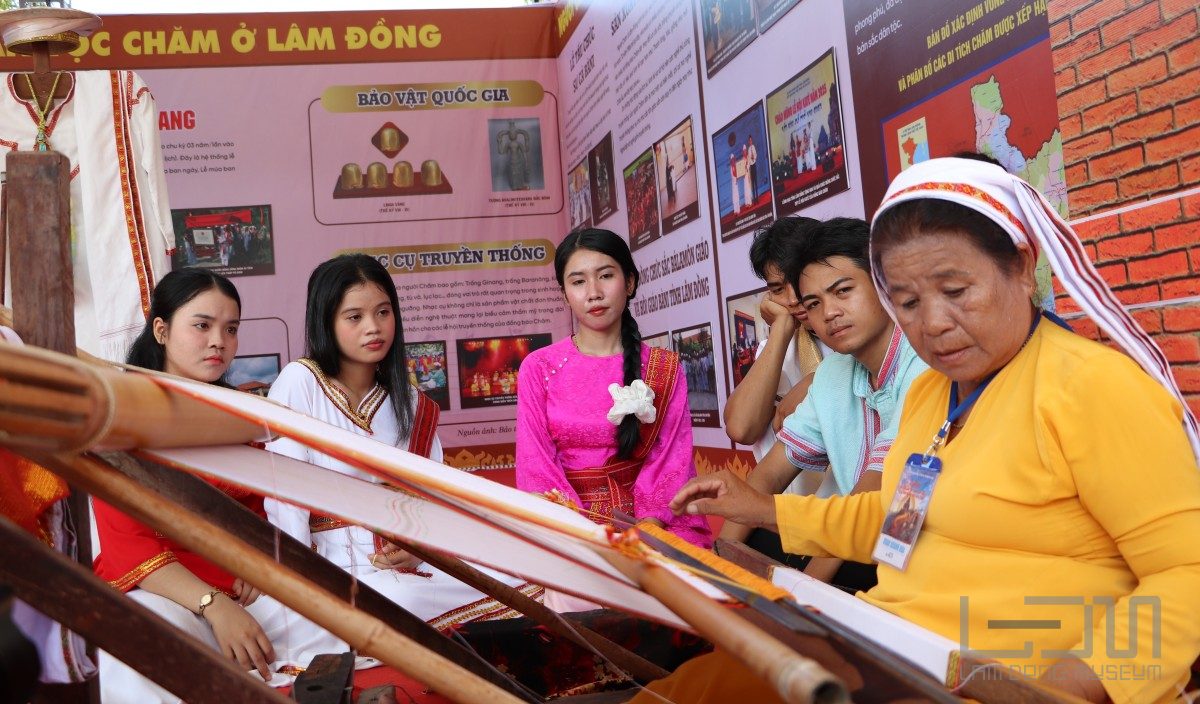
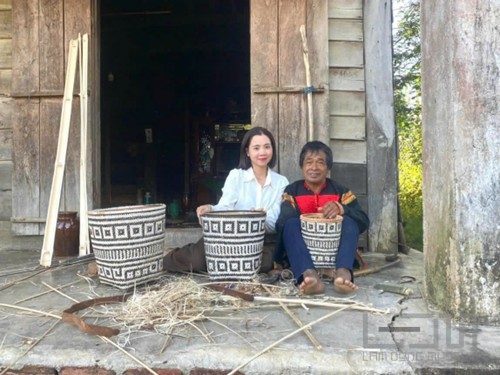
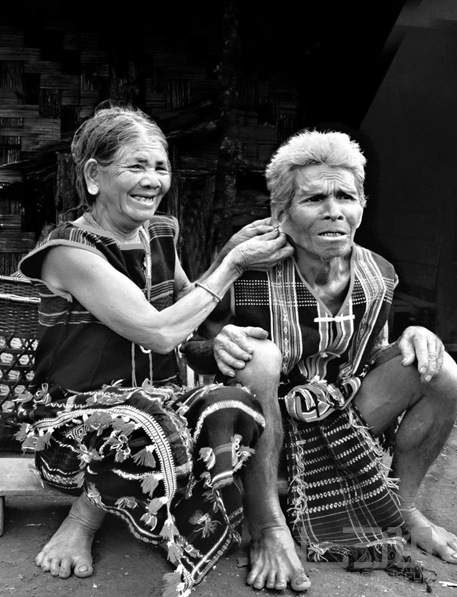
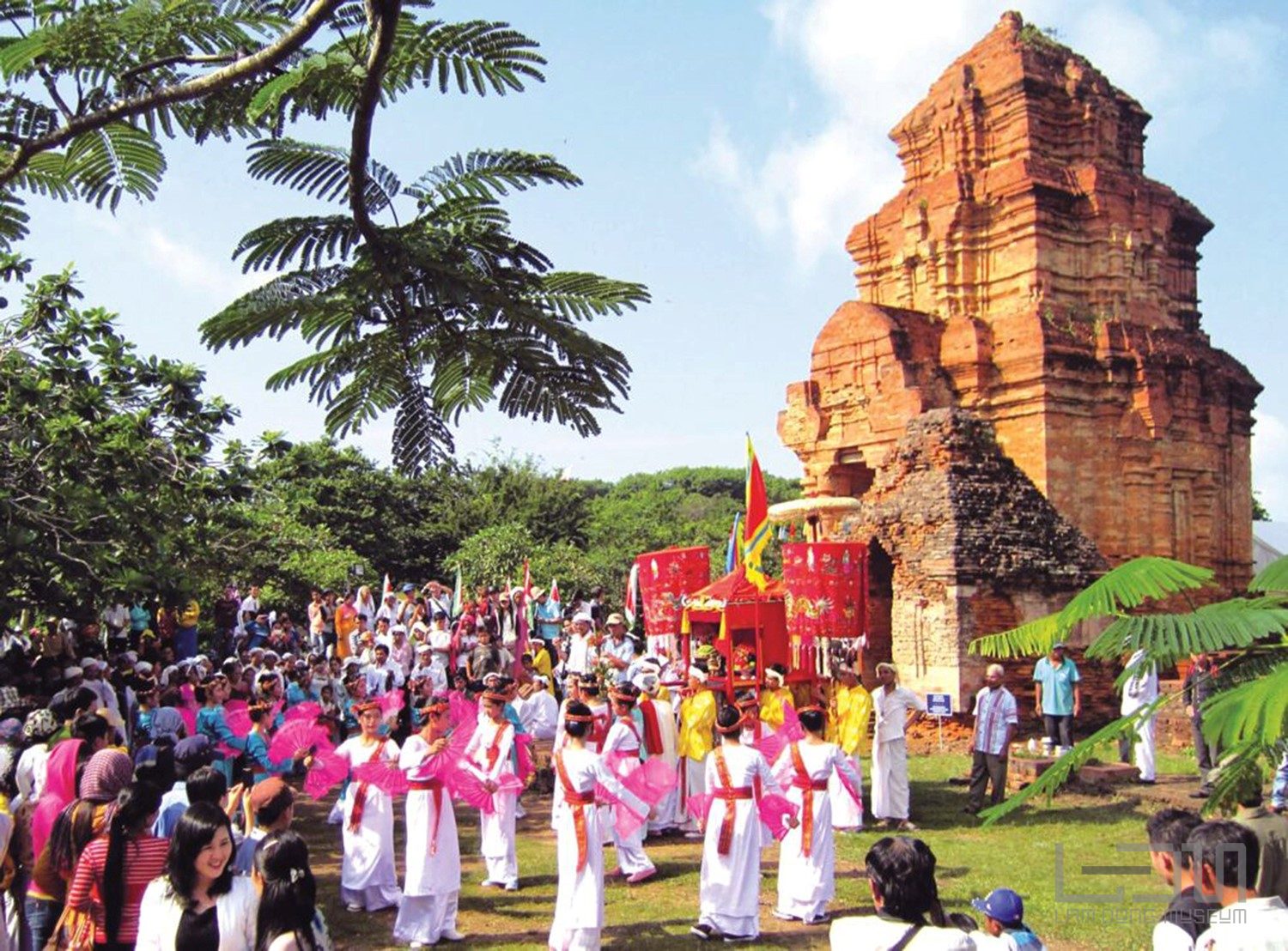
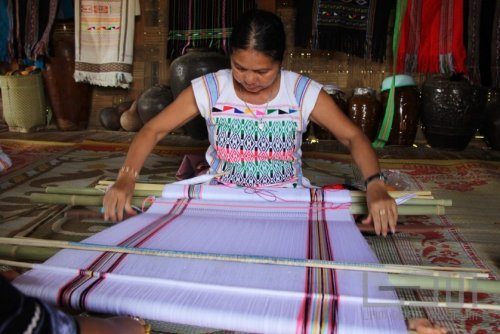
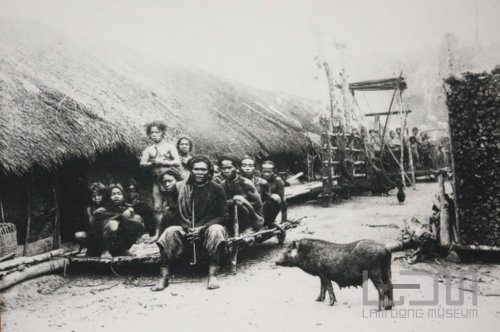
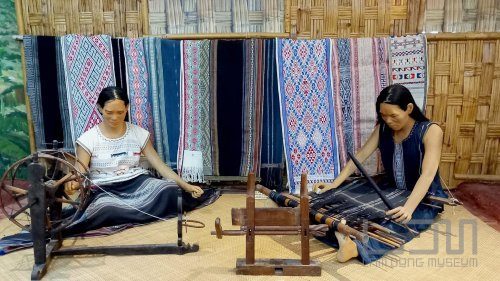
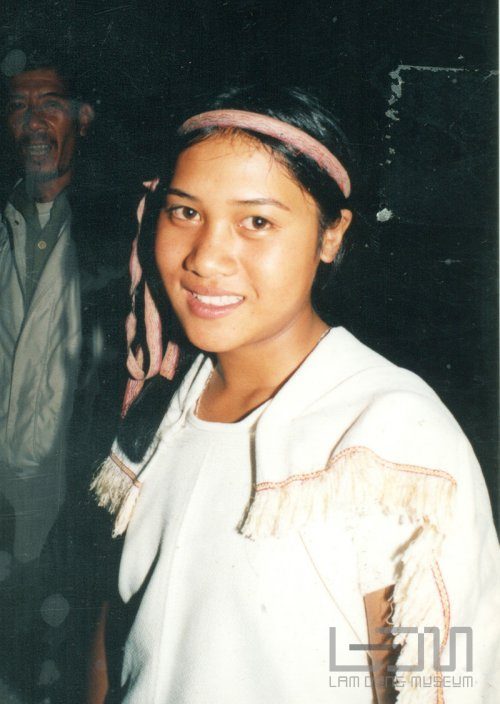
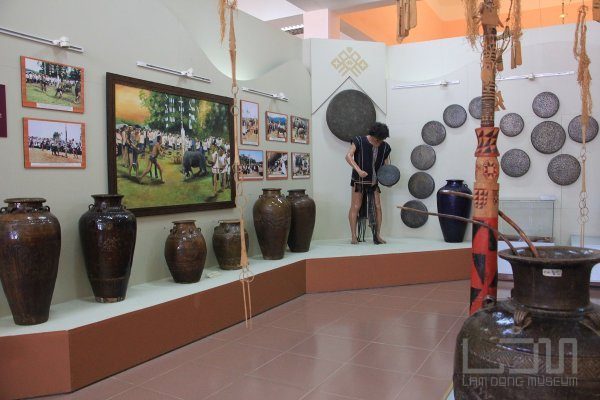
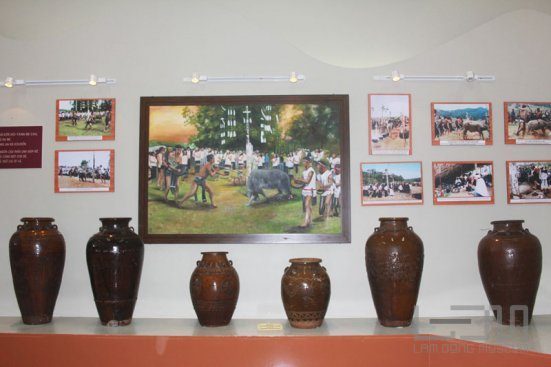
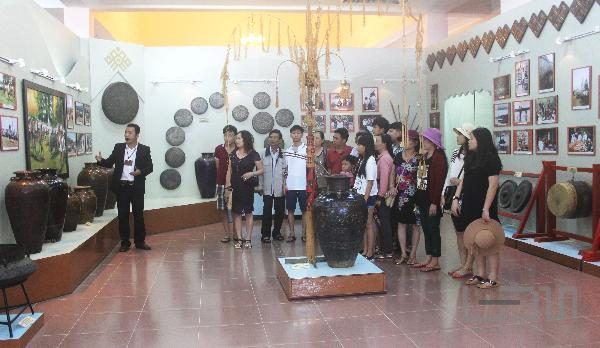
In the midst of the vast mountains, where the mountain peaks and the wind whisper through the forests, the lives of ancient ethnic minorities in Lam Dong province always contain extremely magical cultural features. In that colorful cultural flow, a wedding is not only a happy day for a couple, but also a big festival for the entire village, where ancient customs are most fully awakened. The wedding ceremony here has an original, rustic beauty but is extremely sacred. It is a story written from the brilliant colors of hand-woven brocade, from the passionate scent of doe wine can and especially from the ironclad vows under the witness of the gods and the majestic mountains and forests of the Central Highlands. All of those beautiful spiritual values are converged and clearly expressed through a unique and one-of-a-kind ritual at the wedding of the Ma people in Lam Dong: the encounter ritual under the blanket.
From the invitation to the datehappy after the rice field season
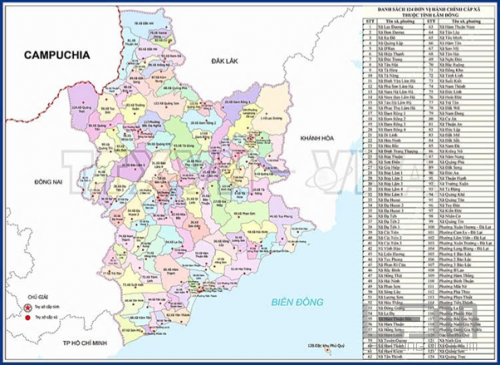
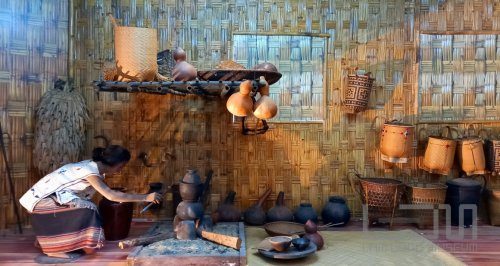
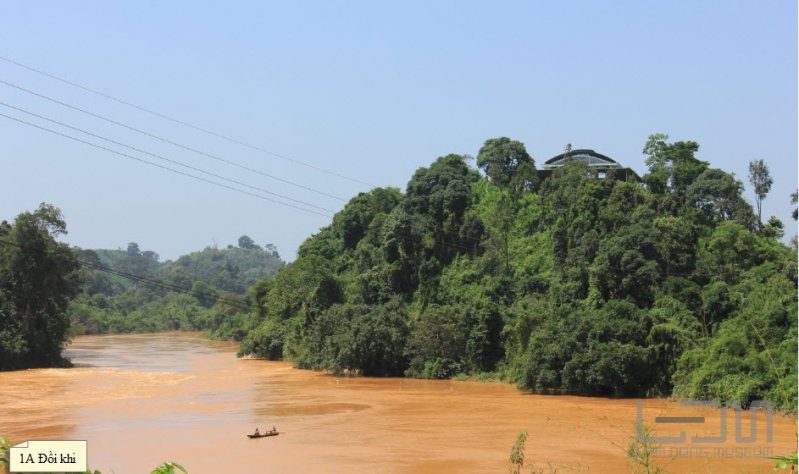
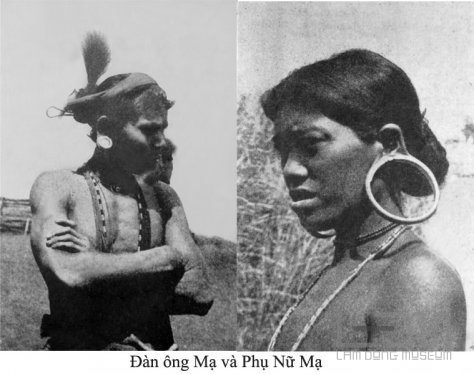
The Ma people (also known as Chau Ma) are one of the ethnic minorities with a long history of residence and play an important role in forming the unique cultural picture of Lam Dong province. For many generations, the Ma people have chosen rich valleys and large river basins, especially the upstream of the Dong Nai River, as places to establish land and build villages. In Lam Dong, the Ma community resides mainly in the southern and southwest communes such as Loc Bac, Cat Tien, Da Teh, Da Huoai... The Ma people live closely with nature, relying on mountains, forests, rivers, streams and fields. Therefore, the most ideal time to hold a wedding usually falls at the end of the year, when the field rice season has been harvested, the rice warehouse is full and people's hearts are at ease.
The Ma people follow a patriarchal system, the groom's family has the right to take the initiative in marriage. When the boy finds a girl who is compatible with him, he will return to talk to his parents and ask the matchmaker to go to the girl's house to say goodbye. If the bride's family agrees, both sides will consider together to determine a good day and month. The marriage ceremony of the Ma people goes through two mandatory rituals: the asking ceremony and the ceremonymarry.
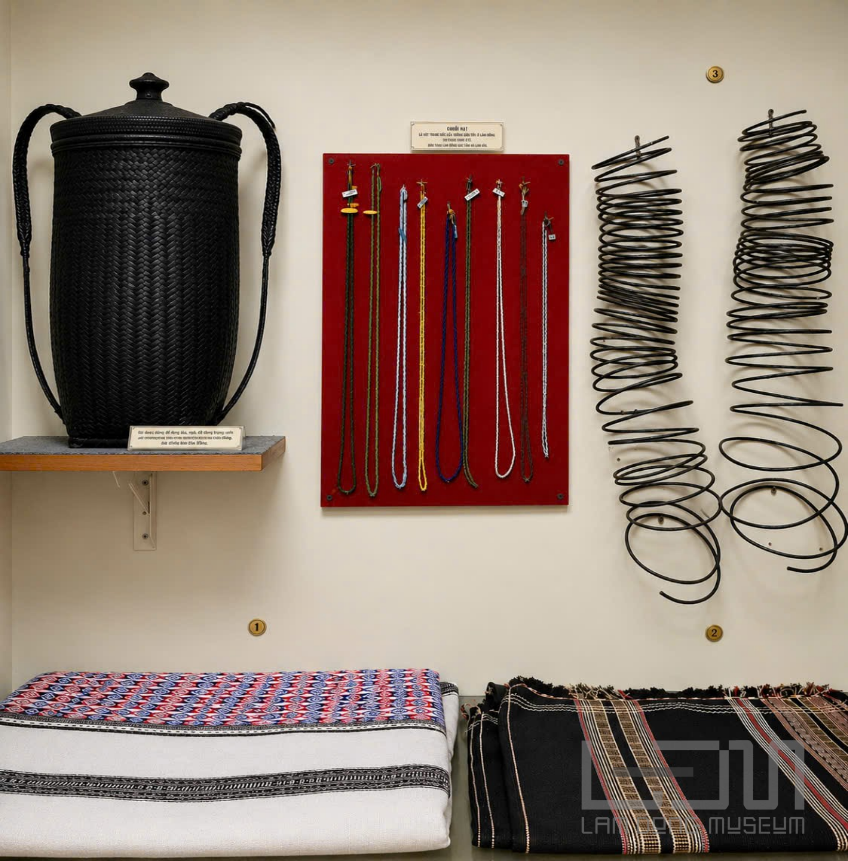
Initiation ceremony: When the parents approve, the son goes home to tell his parents, asks the matchmaker to go to the bride's family to bring gifts for the bride's family and inquire about the wedding invitation from the bride's family. On the appointed day, the groom's family brings gifts to the bride's house, including wine jars, copper bracelets, beads, blankets, dresses, and loincloths. When the two families agree, the groom will put a copper bracelet and beaded necklace on the girl to perform the engagement.
Wedding ceremony: a few months or a year after the engagement ceremony, depending on the economic conditions of the groom's family, the wedding ceremony will be held. Wedding favors are usually gongs, dogs, buffaloes (or pigs), blankets, loincloths, skirts, etc. The wedding favors, depending on the groom's family's conditions, can be fully met immediately or can be paid in installments later. The wedding ceremony is held at the bride's house, and the villagers at the bride's house eat and drink first.
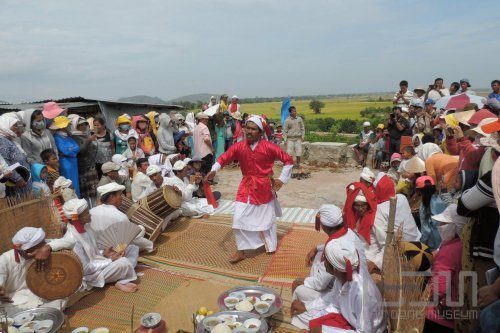
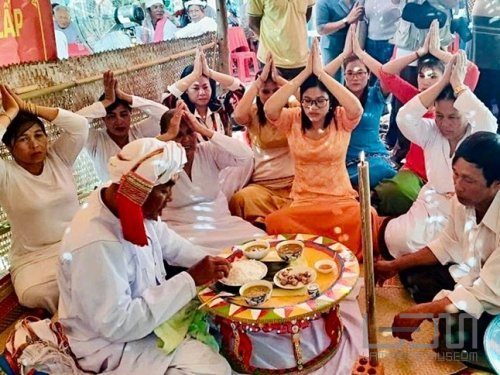
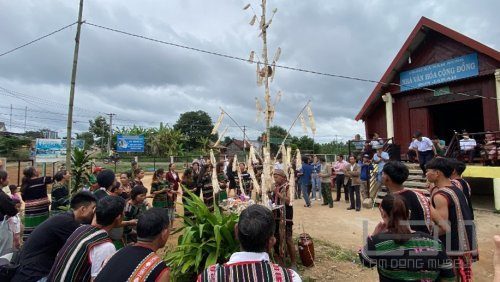
First, they will conduct worship at home. Offerings include a jar of wine, a boiled chicken, sticky rice, and sticky rice cakes, all displayed on the floor in the middle of the sacred space. In the presence of influential people in the clan and village, the bride and groom exchanged cakes and drank the same jar of wine, with the meaning that from now on the two of them will begin their life together.stick together for life. After the officiant and the groom's uncle guided the ceremony, they solemnly recited the prayers. In their solemn prayers, they asked Yang to grant the young couple good health, many children, and future farming seasons that would always be lush and fruitful. As soon as the vows ended, the space seemed to settle down, making room for the most sacred part of the wedding to begin.
The "seven encounters" ritual under the new cover
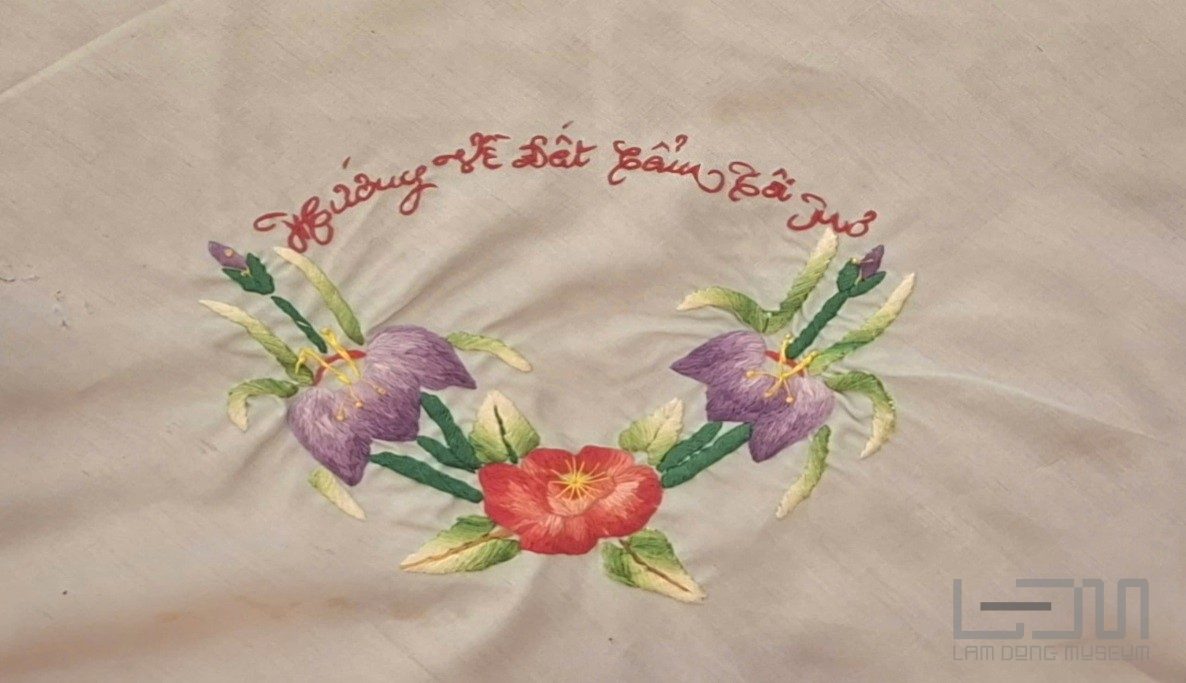
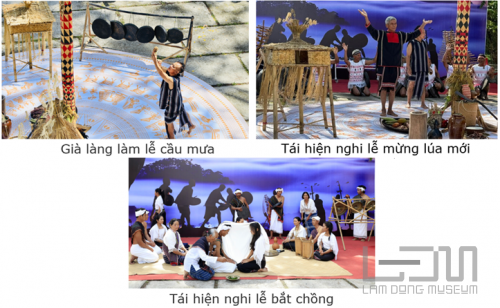
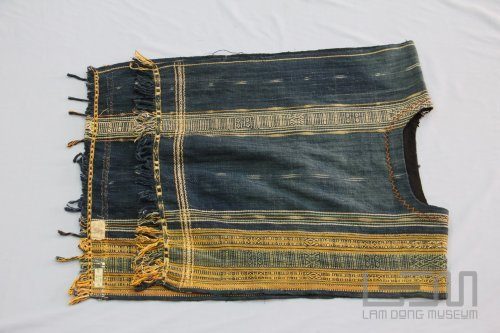
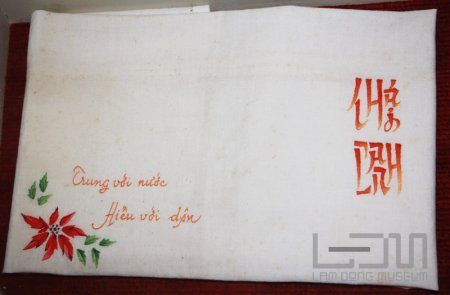
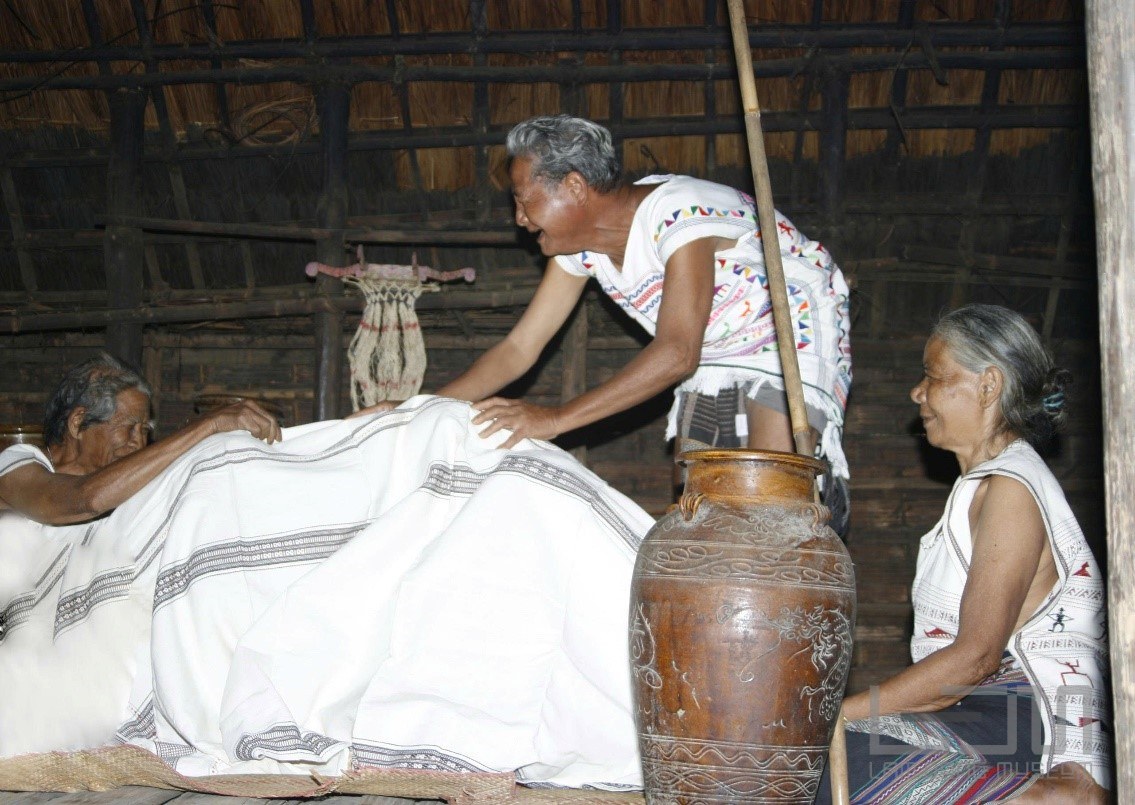
This is the most sacred moment in the Ma wedding, a very profound ceremony. The couple stood next to each other in front of the altar. The officiant respectfully approached and gently applied a little blood of the sacrificial animal to the foreheads of both the bride and groom to pray for good luck and ward off all evil in life. Next, the couple knelt down and faced each other. The kisser immediately took a new sheet that still smelled goodThe weave covered both their heads. In the small, separate space under that veil, the bride and groom together performed the act of touching exactly seven times. The sacred number seven with these fateful encounters is a symbol of consensus, "mind and soul", complete harmony of both soul and body. That is also the oath of steadfast fidelity that they entrust in the presence of the gods and the entire village. When the veil was opened, the groom's uncle stepped forward and graciously gave each person a sticky rice cake. The bride and groom took turns exchanging things with each other, sharing two cakes and sharing a wine barrel, slowly sucking drops of strong wine from the wine cup to offer to Yang. This ritual officially marks a major turning point in their lives: From now on, they have become one, like grains of rice blending into a stream of fresh water, where husband is, there is wife, they will share the same tray of rice, the same wine and be closely attached to each other for the rest of their lives.
All-night wedding party in the village
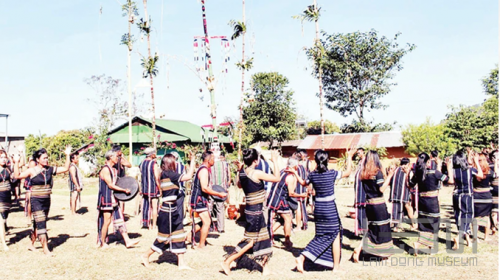
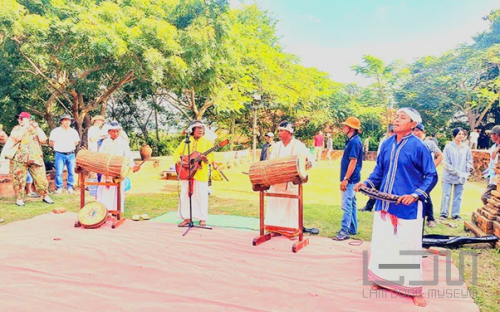
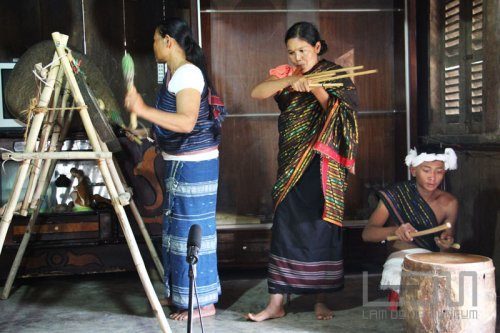
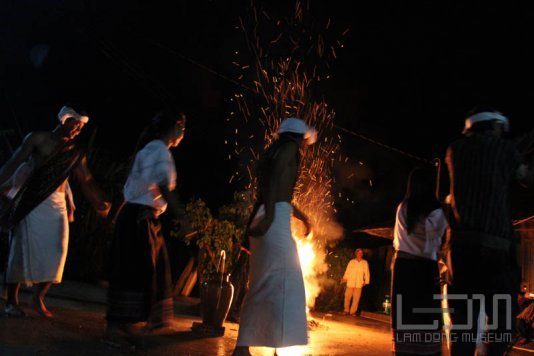
As soon as the solemn ceremony ended, the festive atmosphere immediately filled the airvillage space. The people of the village came to celebrate, everyone happily brought a jar of wine as a gift. From those dozens of glasses of wine, the most delicious wine will be carefully selected to invite the parents of both sides and the young couple to take the first sip to start the party. The feast for guests at this time has the typical flavor of the mountains and forests. Pieces of buffalo meat and pork are cut into small pieces, seasoned with rich salt, then threaded onto bamboo sticks and grilled until golden brown, giving off a rich aroma next to bowls of hot, thinly cooked porridge. In the aroma of food and ecstatic wine, the happy day turns into a real festival. Groups of young men and women invite each other to play the guitar, sing and immerse themselves in rhythmic dances, turning this place into a bridge for many other couples to fall in love. In another corner, a group of old people gathered together to play gongs, blow flutes and hum antiphonal songs imbued with the depth of ancient folk songs and proverbs. The bustling sound of gongs keeps echoing, keeping the kitchen fire on stilts burning brightly and prolonging the fun all night long.
The next morning, when dawn had just risen, the ceremony to take the bride to her husband's house was officially held.practice, closing the bustling day and opening a new chapter full of happiness for the young couple.
Although modern life today has many changes, rituals in life have also changed a lot, but the encounter ritual under the blanket of the Ma people in the vast land of Lam Dong is still a traditional cultural beauty. It is a humane proof of the eternal love between husband and wife, a sacred ritual that needs to be respected, preserved and honored. That beauty is the bridge between the past and the present, a strong affirmation of the enduring vitality of traditional culture, enriching the treasure of cultural heritage of the ethnic groups in Lam Dong province.