
In the cultural life of the Ko Ho people in Lam Dong, each important milestone in life is associated with rituals that have spiritual and community meaning. From the moment of birth, the child's family and clan convey wishes for health, peace and a good future. In particular, the child naming ceremony is a special traditional ritual, marking the official presence of a new member in the family and clan, while also demonstrating the connection between people and gods, ancestors and the community.
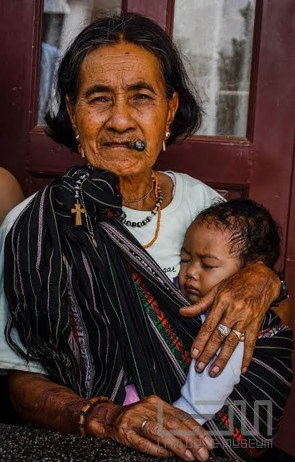
Ritual to welcome new members in the life cycle
Ko Ho people believe that when a child is born, he needs to be protected and blessed by Yang (gods) to grow up healthy, peaceful and have good luck. Therefore, the naming ceremony is usually held when the child is 7 days old. According to folk beliefs, number 7 is a sacred number, meaning luck in spiritual lifeof some Central Highlands communities.
During the mother's stay, the family often sticks a thorny tree branch, about one meter long, outside the wall of the house in the fire area, where the mother and children rest. Tree branches have the meaning of repelling evil spirits and are also a sign to let guests and strangers know that there is a new baby in the house and should be avoided in the first days.
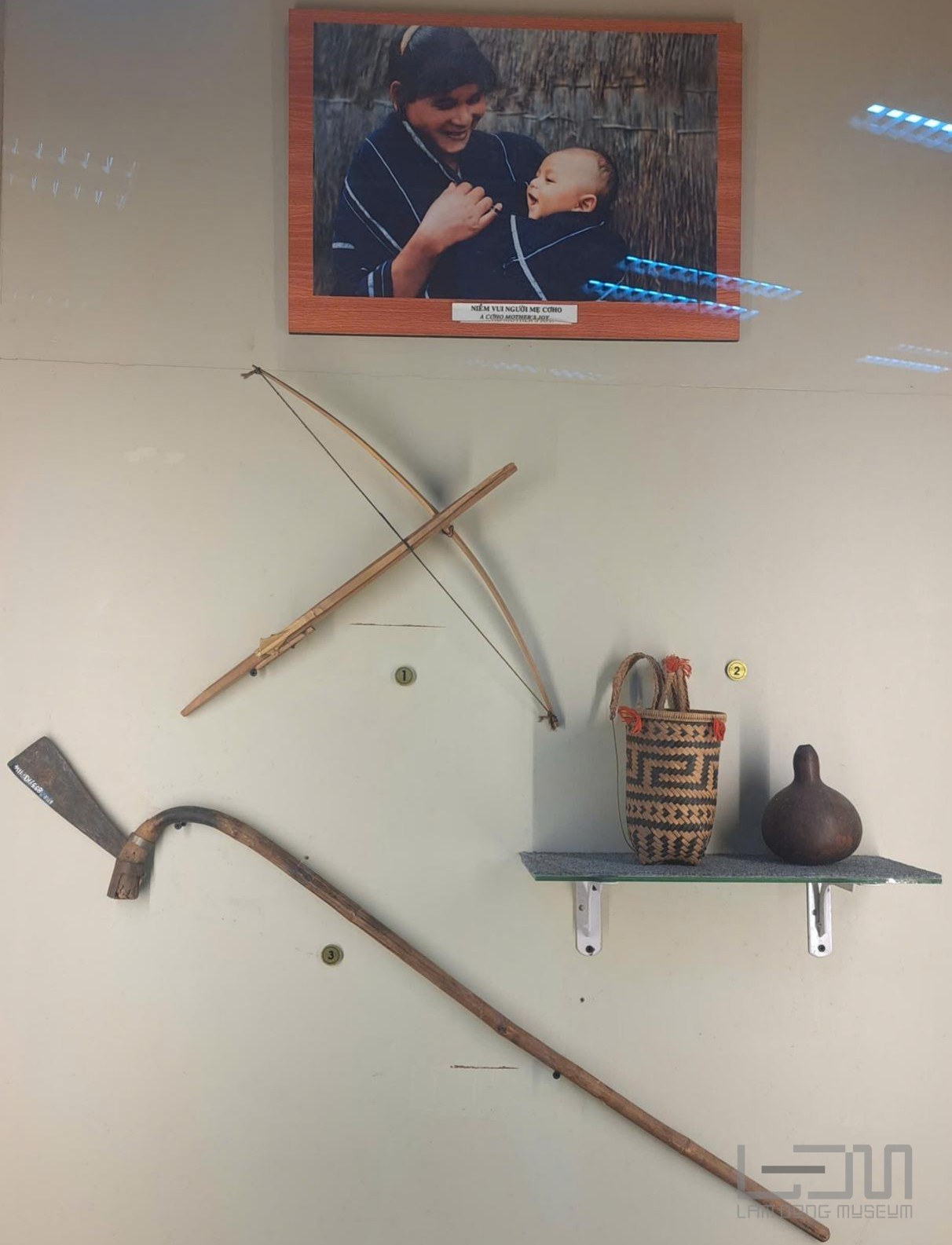
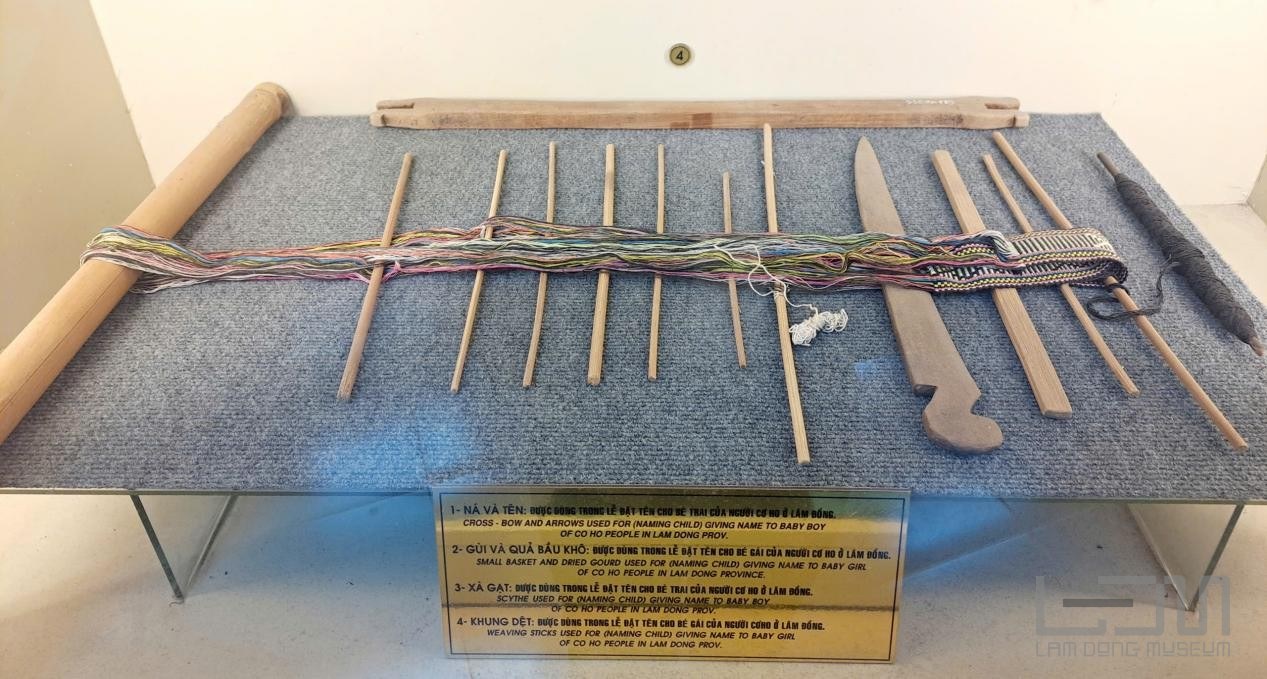
The child-naming ceremony is carefully prepared by the family, with symbolic items depending on the child's gender. If it's a girl, the family prepares a small basket, cloth weaving set or fish scooping basket. If it is a boy, the family prepares an antler beam, along with a small slingshot, typical forestry equipment of Central Highlands men. These items are not simply offerings, but also convey wishes about the child's qualities and abilities in the future: girls will be skillful and hardworking; The son is healthy, agile, good at hunting and workingmilpa.
Ritual offering and prayers to the Yangs
The naming ceremony is often held in front of the altar in the main room of the house. The offerings are quite simple, including a jar of wine, a live chicken, a bunch of bananas, a chicken egg, a bowl of rice, and bowls containing blood and chicken entrails after sacrifice. Attending the ceremony were uncles, village elders, midwives, the child's parents and relatives from both sides. According to documents, the person who presides over the ceremony is usually the homeowner's father-in-law.
In a solemn space, the master of ceremonies wears traditional costumes, holds rattan whips and rattles, performs the chicken offering ceremony and directs prayers to the altar. Prayers sent to the Yangs, such as Yang N'du, Yang Bre (god of the forest), Yang Da (god of the river), Yang Kohbnom (god of the mountain) to request protection for the child to be safe from childhood to adulthood.Live healthy and have good luck. Those present clasped their hands together in prayer, expressing the love of the family and clan for the new member.
After the prayer, the chicken was sacrificed. The celebrant takes the tongue and dips it in wine and then performs the ritual of tossing it on the altar one to three times, while reading the name intended to be given to the child. According to folk beliefs, when the uvula sticks to the altar, it means the name has been accepted by the gods. Next, chicken blood is dabbed on the child's forehead as a wish for health and protection. The ceremony ends, the joy of welcoming new members continues to spread in the atmosphere of family and clan reunion.
In Ko Ho culture, choosing a name for a child also has its own rules and concepts. According to the matrilineal system, children are often named after their mother. Names can be chosen from talented, reputable, or respected people in the family or village, as if conveying the desire to inherit the good qualities of the previous generation. The Co Ho people also abstain from naming their children after gods, or names associated with thunder, lightning, ghosts, or demons, because they believe that it can bring misfortune.for the child.
In addition, through the traditional name structure, we can easily identify gender markers: the prefix "K" is usually for men and "Ka" is usually for women. In some local branches, family names are also associated with place names, family lines or places of residence such as Tam Bo, Da Krong, Njàn...
After the ceremony, the family and relatives gather around a jar of wine, share joy and bless the baby. Gifts such as bracelets, bronze necklaces, or brocade cloth are given not only to express affection, but also to express good wishes for new members. Thereby, the naming ceremony is not only a spiritual ritual, but also an opportunity to strengthen relationships between members of the community.
Preserving the traditional value of child naming rituals in today's life
Along with the changes in social life, the naming method of the Ko Ho people today has changed a lot, but the child-naming ceremony still has a special meaning in the spiritual life of the community. Through rituals, offerings and prayers, inner beauty is revealedBeliefs, family affection and the spirit of clan cohesion are preserved and passed down through generations.
Currently, Lam Dong Provincial Museum reserves space to showcase the typical cultural features of ethnic minorities in the province, notably the Ko Ho ethnic culture. The exhibition space recreates many aspects of the material and spiritual life of the people, from daily activities to traditional customs and rituals. In particular, artifacts associated with the child-naming ceremony contribute to introducing a typical cultural feature in the journey of welcoming new members of the Ko Ho community.
Through preserving, preserving and introducing artifacts and documents about the child-naming ceremony, Lam Dong Provincial Museum contributes to identifying and honoring the unique cultural values of the Ko Ho people in Lam Dong; At the same time, it helps the public understand more about the worldview, beliefs and customs associated with the lives of ethnic communities in the Central Highlands.
Thi Thao