A breakthrough in connecting and preserving heritage
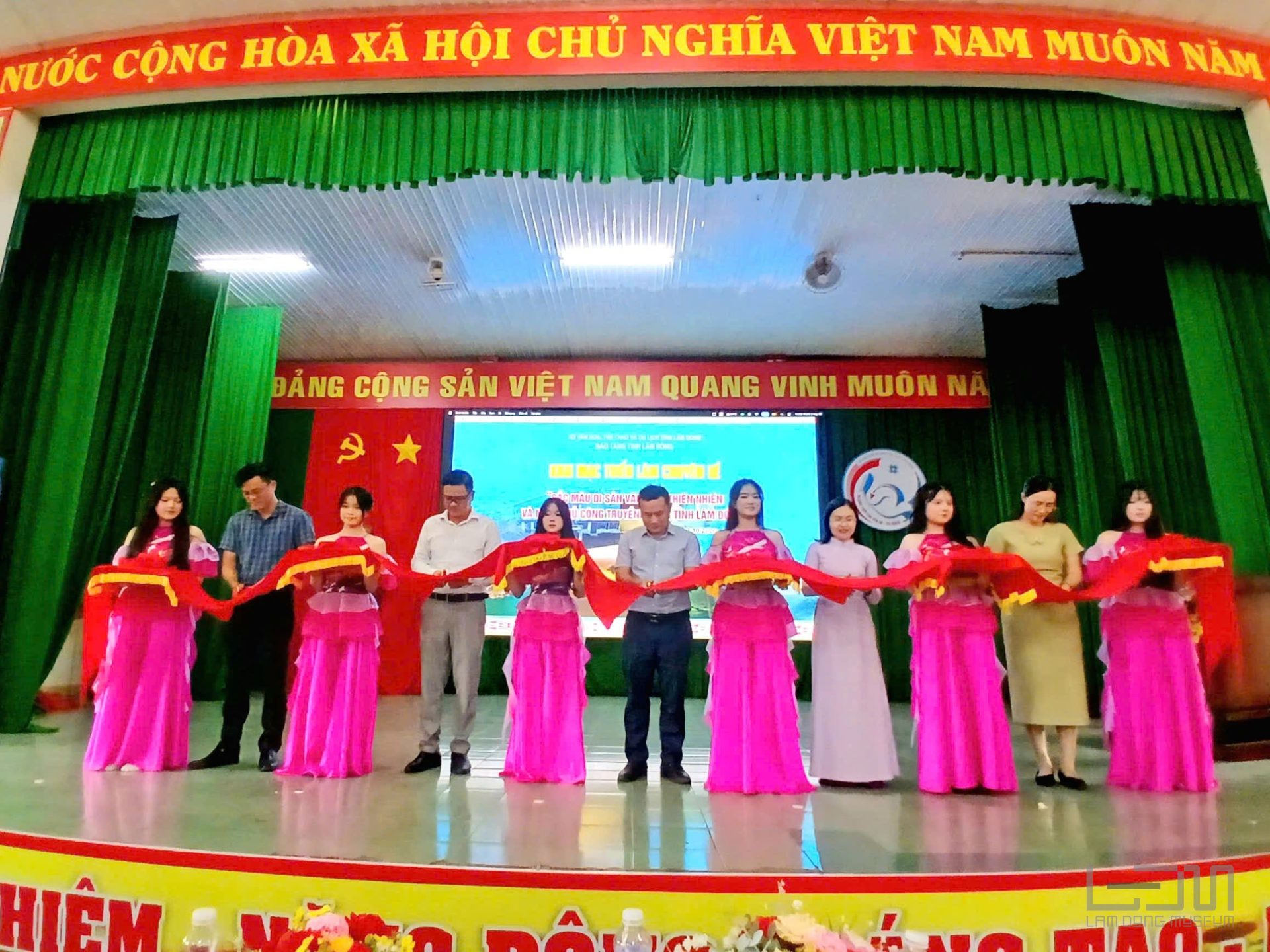
In the context of strong digital transformation, associated with promoting heritage values in modern life, the launch of the Lam Dong Heritage Map is considered a practical step of the Lam Dong Provincial Museum. Instead of the traditional approach, now people, researchers and tourists only need an Internet-connected device to be able to look up and explore the system of heritage sites, museums, historical relics and landscapes of Lam Dong province in an intuitive and vivid way.
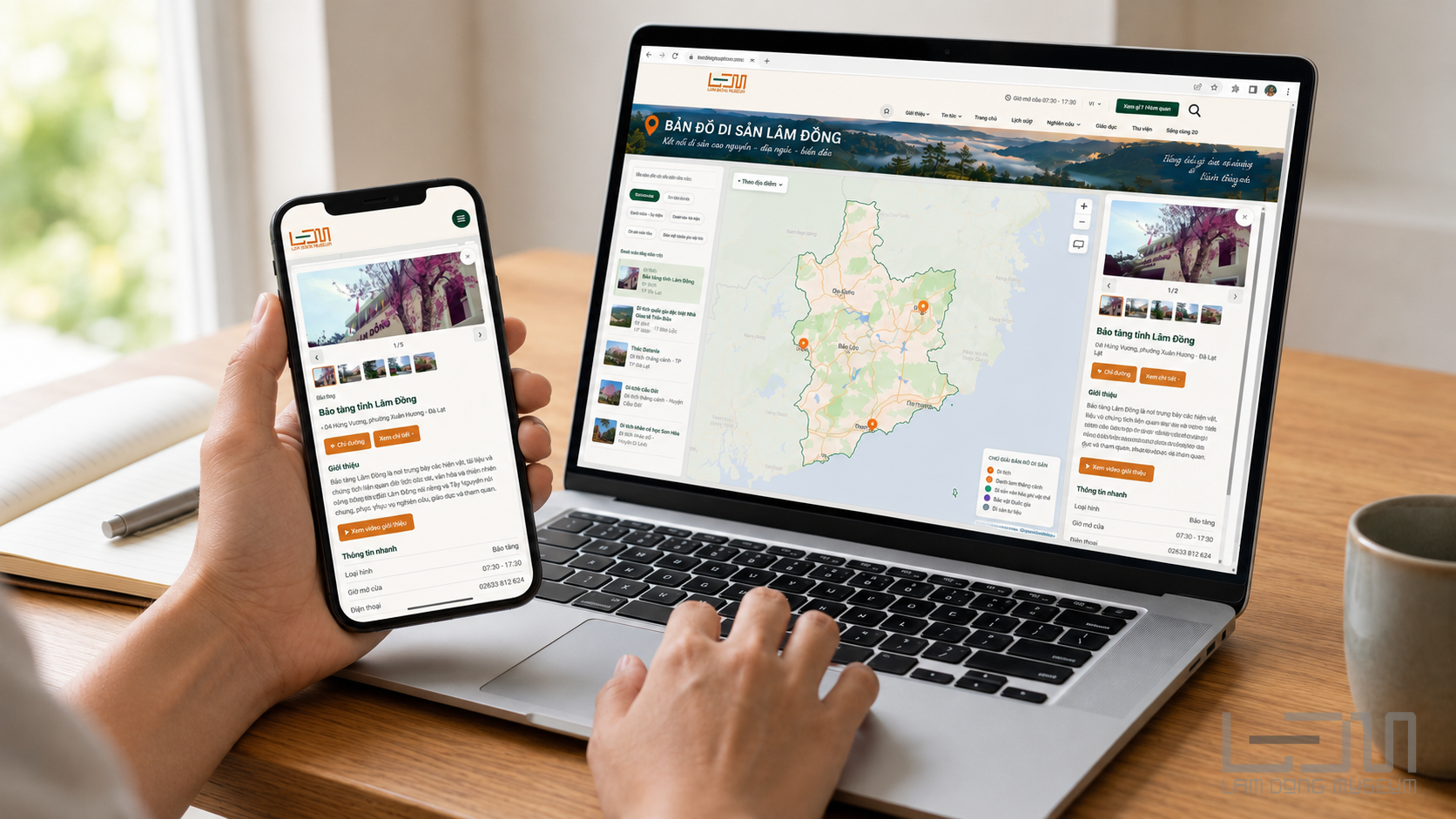
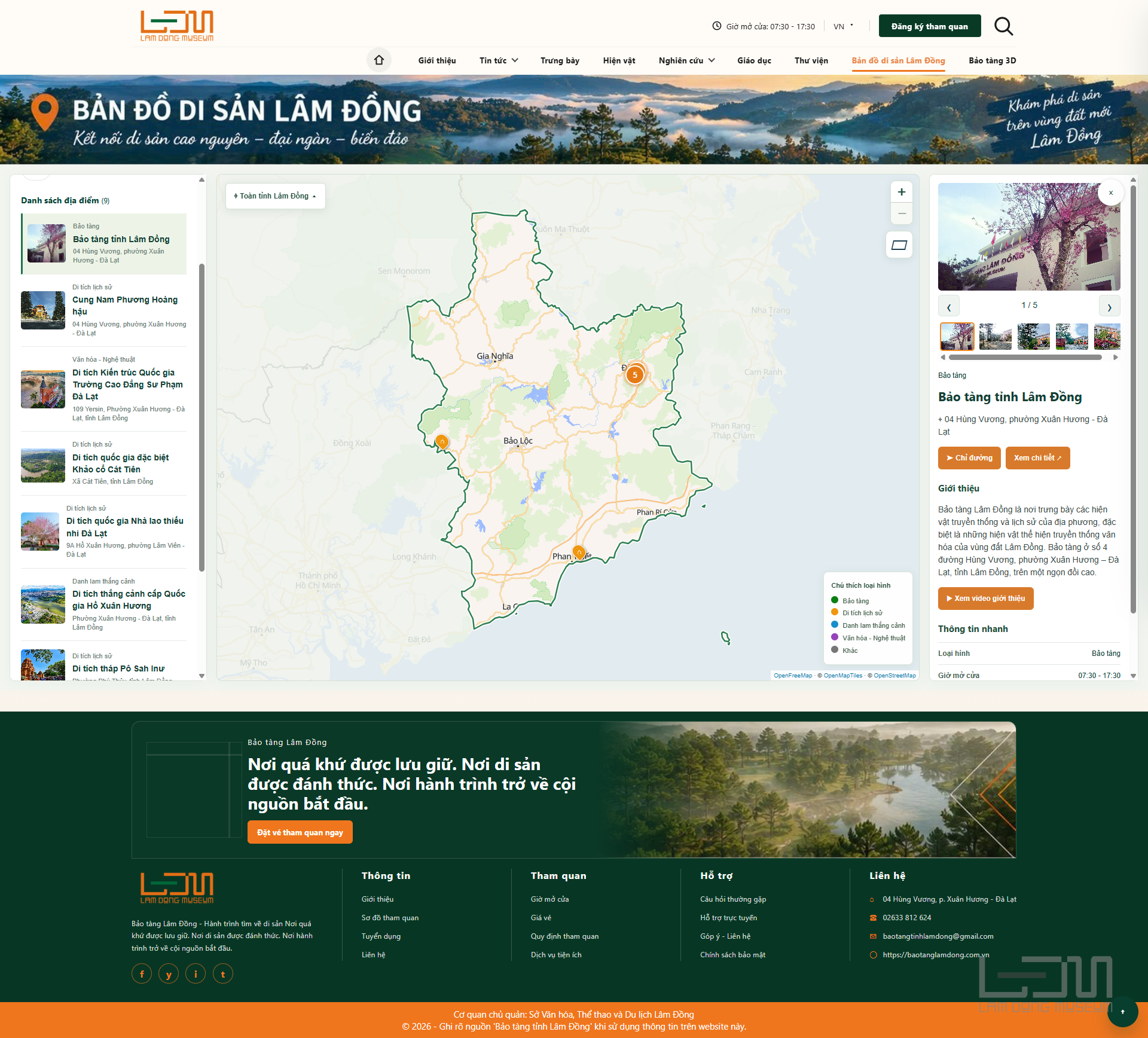
Lam Dong Heritage Digital Map is built with a modern, easy-to-use interactive interface, allowing users to easily locate and look up the map of Lam Dong province in 124 communes, wards, and specialties.area. On the digital map, heritage sites across the province are located with geographical coordinates. Users can zoom in and out to explore related information by each topic:
1. Museum system and affiliated relics: Includes detailed information about Lam Dong Provincial Museum (No. 4, Hung Vuong Street, Xuan Huong Ward - Da Lat); affiliated museum facilities: Binh Thuan Museum (No. 4, Ba Trieu Street, Phan Thiet Ward), Dak Nong Museum (Bac Gia Nghia Ward); Cham Cultural Exhibition Center (Bac Binh commune); National Relic of Da Lat Children's Labor House (No. 9A, Ho Xuan Huong Street, Lam Vien Ward - Da Lat), Special National Archaeological Site of Cat Tien (Cat Tien Commune), Relic of Po Sah Inu Tower (Phu Thuy Ward), Relics of Sites of the M'Nong People's Anti-French Colonial Movement Movement Led by N'Trang Long (Tuy Duc Commune, Lam Province) Bronze).
2. Classification by type: In addition to the museum system and affiliated relics mentioned above, users can easily look up the museum systemNon-public museums, historical relics, scenic spots, and other cultural and artistic spaces (especially 3 special national-level relics, 61 national-level relics and landscapes, and 87 provincial-level relics).
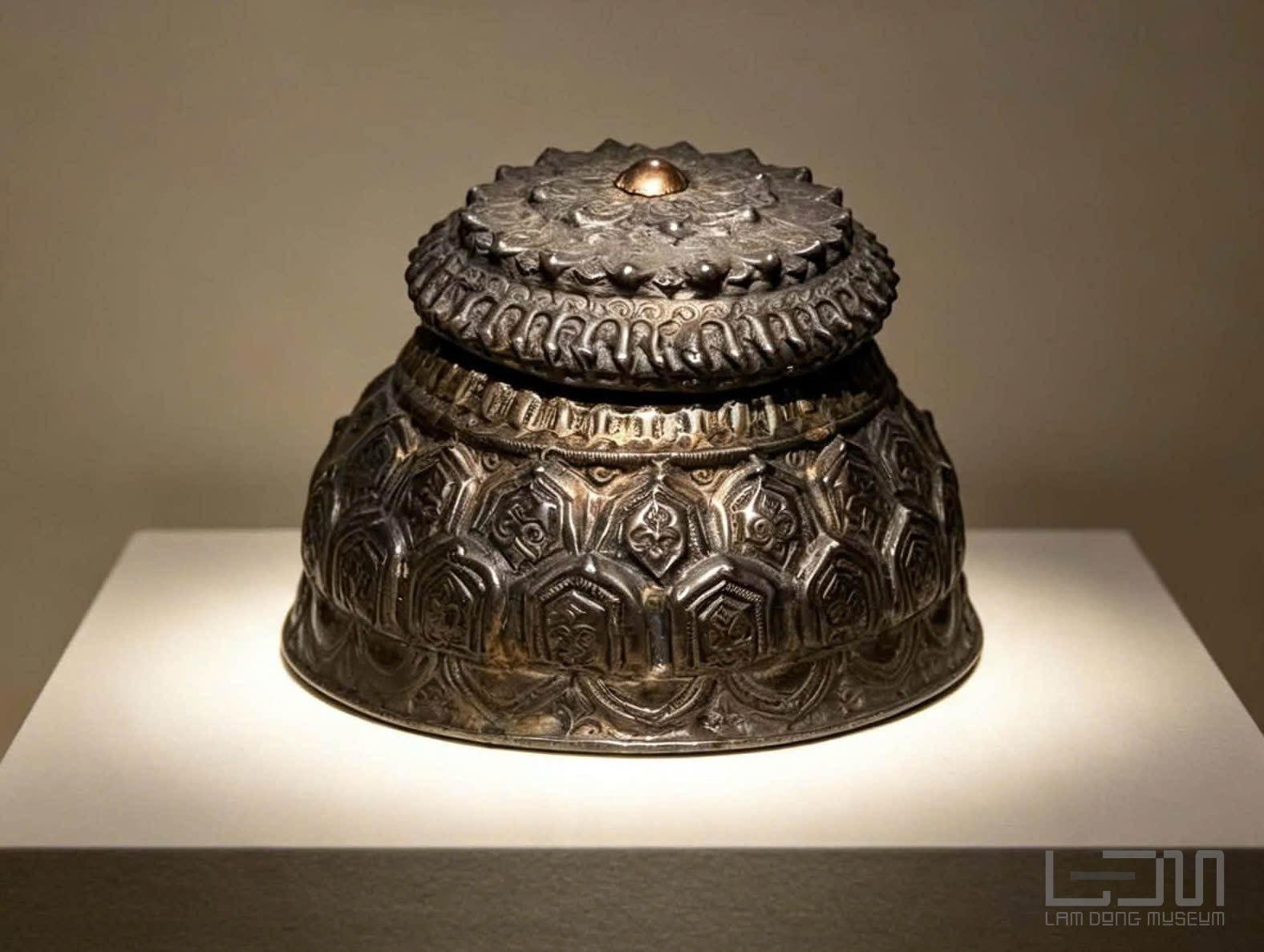
3. Database of artifacts and documents: Users will have access to thousands of artifacts, typical collections of ethnic groups in Lam Dong province (Ma, Co Ho, Chu Ru, Cham, M'nong...), along with historical and cultural landmarks that have been digitized and archived.
Bridging history and culture for the digital generation and smart tourism
Putting digital maps into operation not only serves the management, scientific research and conservation of specialized agencies, but also opens up an extremely effective cultural tourism promotion channel. Visitors to Lam Dong province can proactively schedule a tour and learn the story behind each artifact, architecture, and cultural heritage through the digital platform.
Not only serving as a location lookup tool, Lam Dong Heritage Map is positioned as a channeldigital information and historical and cultural infrastructure, forming a digital data ecosystem that is both open and in-depth. This has many meanings:
1. For residents and tourists: Learn about heritage, events, destinations to choose a tour and experience; Search and locate cultural heritage and historical events around you to determine suitable destinations; Access relevant information, especially service prices and preferential policies at each destination.
2. For management agencies: Supports referencing heritage distribution, current status, and potential of cultural resources; Monitor and evaluate the management and promotion of heritage values in the areas; Supporting the preservation and promotion of heritage values, coordinating resources.
3. For localities and cultural institutions: Support additional channels for quickly and officially introducing information; contributethe part that brings heritage closer to the public.
4. For businesses: Grasp information about the distribution of cultural industry fields; market research, location selection; looking for investment opportunities in creative cultural products and services...
Constantly perfecting data and expanding connection capabilities
The launch opens a period of official operation and long-term upgrading for the Lam Dong Heritage Map. Lam Dong Provincial Museum will regularly receive contributions from the community and experts to improve features and promote connection with related digital platforms.
For the Lam Dong Heritage Map to be effective, updated data on the platform needs to ensure the following requirements: accuracy, clear source; updated regularly, promptly reflecting changes in practice; At the same time, it has the ability to connect and exploit. Lam Dong Provincial Museum respectfully requests localities and units in the province to proactively coordinate and regularly update accurate and complete information to continue to complete the project.Improve Lam Dong Cultural Heritage Map.
With the spirit of "bringing heritage closer to the public", Lam Dong Provincial Museum hopes that the Lam Dong Heritage Map will be the starting point for the journey to discover history and culture in digital space; At the same time, it is an important foundation in the roadmap to building a modern, connected and multi-dimensional digital museum ecosystem. Through constant innovation, application of technology and expansion of forms of experience, Lam Dong Provincial Museum aims to preserve heritage with technology, spread cultural values in new ways, contributing to promoting the development of sustainable cultural industry and tourism in the province.
Promoting digital transformation, moving towards a smart museum ecosystem
In the coming time, Lam Dong Provincial Museum will continue to promote the application of information technology and digital transformation comprehensively in professional activities, management, conservation and promotion of cultural heritage values. Based on the initial results achieved, the unit aims to continue developing and perfecting the ecosystemdigital heritage data, gradually forming an open museum space, connecting and multi-dimensional interaction between heritage and the public.
In particular, Lam Dong Provincial Museum will continue to deploy, complete and put into operation Digital Exhibition CMS (Digital Exhibition Management and Organization System) project, aiming to build modern online exhibition spaces, diverse in content and form of expression. Through this platform, the public can visit and explore display spaces, learn about artifacts, collections and historical and cultural stories in many visual and vivid forms; At the same time, enhance the ability to interact, experience and access in-depth information without being limited by space and time.
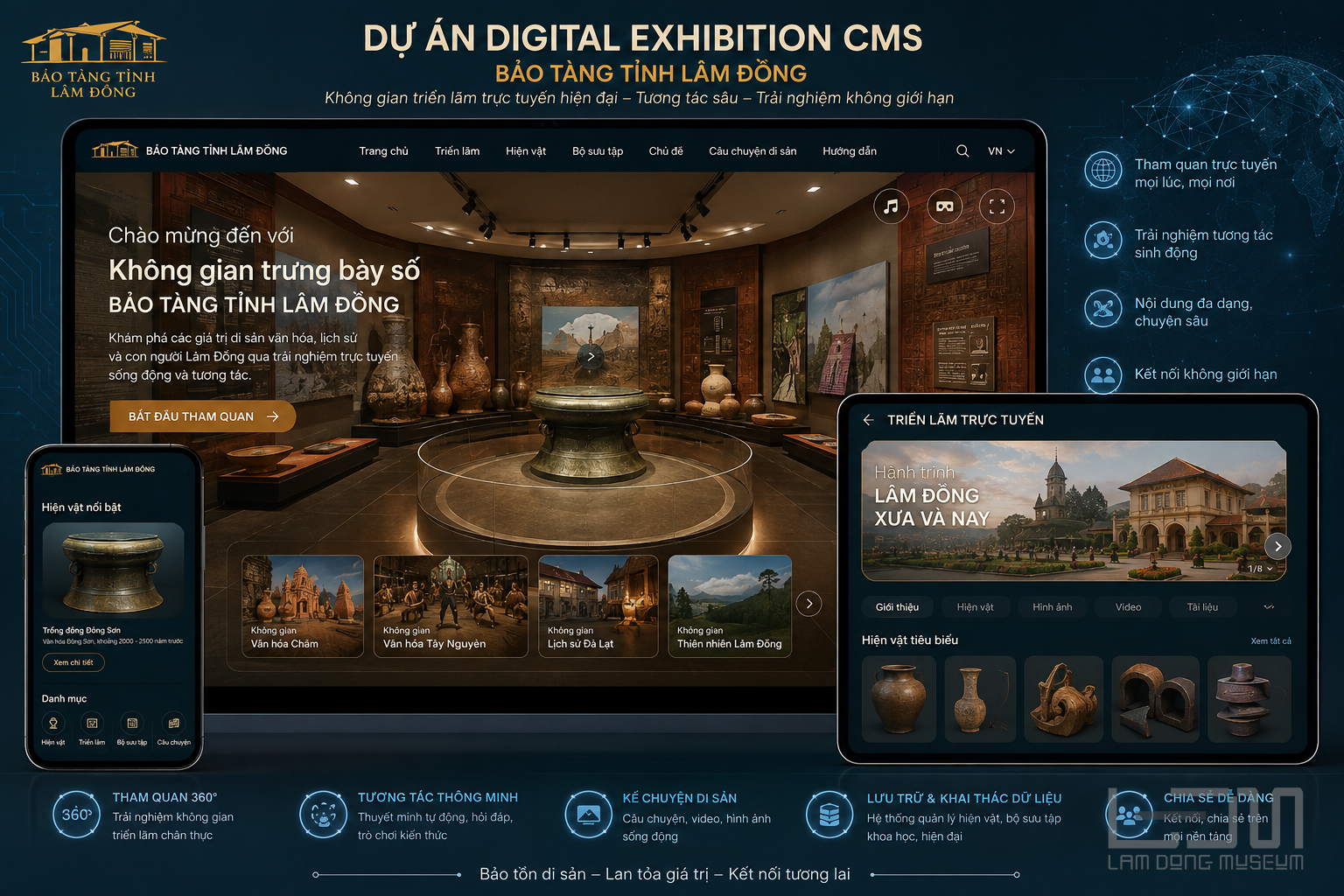
Along with that, the Museum will research and apply new technologies such as artificial intelligence (AI), virtual reality (VR), realityaugmented (AR), 3D technology and interactive multimedia solutions to innovate methods of displaying and introducing heritage, improving the quality of service for visitors. Thereby, gradually transforming from the traditional museum model to a modern, smart museum model, taking the public as the center, taking digital data as the foundation and technology as the connection tool.
This orientation not only contributes to improving the effectiveness of management, conservation and promotion of heritage values but also expands the accessibility of the public, especially the younger generation; bringing the historical and cultural values of Lam Dong province closer to domestic people and international friends. This is also an important step to build the image of Lam Dong Provincial Museum as dynamic, modern, and proactive in integrating in the national digital transformation process.