
With a temperate climate and basalt red soils with high fertility, Bao Loc area and surrounding areas of Lam Dong province have many favorable conditions to develop mulberry trees, forming raw material areas for silkworm rearing and silk weaving. From mulberry patches stretching on the hillsides to soft silk yards reaching the international market, mulberry growing and silkworm farming in Lam Dong is a blend of folk knowledge, the patience of workers and the rhythm of modern weaving technology.
Ups and downs in the journey of creating the "Silk Capital"
The journey to develop the Lam Dong mulberry industry marks many important milestones. Going back in history, before 1975, the Silkworm Research Center of Lam Dong Agricultural Company was established in Bao Loc (formerly), laying the first technical bricks for selecting and breeding silkworms on the plateau.
In particular,The period 1985 - 1995 marked a brilliant golden age, making Bao Loc the mulberry "capital" of the country, gathering a team of leading agricultural experts, with a cultivated area sometimes reaching nearly 3,000 hectares. However, the silk industry here has experienced harsh declines due to global competitive pressure and fluctuations in industrial crops such as coffee and tea. The strawberry growing area used to shrink to only about 300 hectares.
Thanks to the right agricultural and industrial promotion orientation and the persistent vitality of people and businesses, Lam Dong mulberry silk industry has strongly revived. Currently, the whole province owns nearly 10,000 hectares of strawberries, producing cocoons exceeding 15,000 tons/year. In the Southern Lam Dong region, which is considered a silk nucleus (including Bao Loc city and surrounding localities before the arrangement and adjustment of administrative boundaries), the conversion to high-yield mulberry varieties such as S7CB (yield 30 - 35 tons/ha, double the old variety), has brought outstanding economic efficiency, becoming a solid livelihood for thousands of households.
The industry of "extracting soil bile, releasing fibersyellow”
Silkworm farming is considered a "standing rice" profession because of the sophistication and meticulousness that requires workers to follow the growth cycle of the silkworm species (Bombyx mori). The process chain that creates a complete silk ruler includes closed stages:
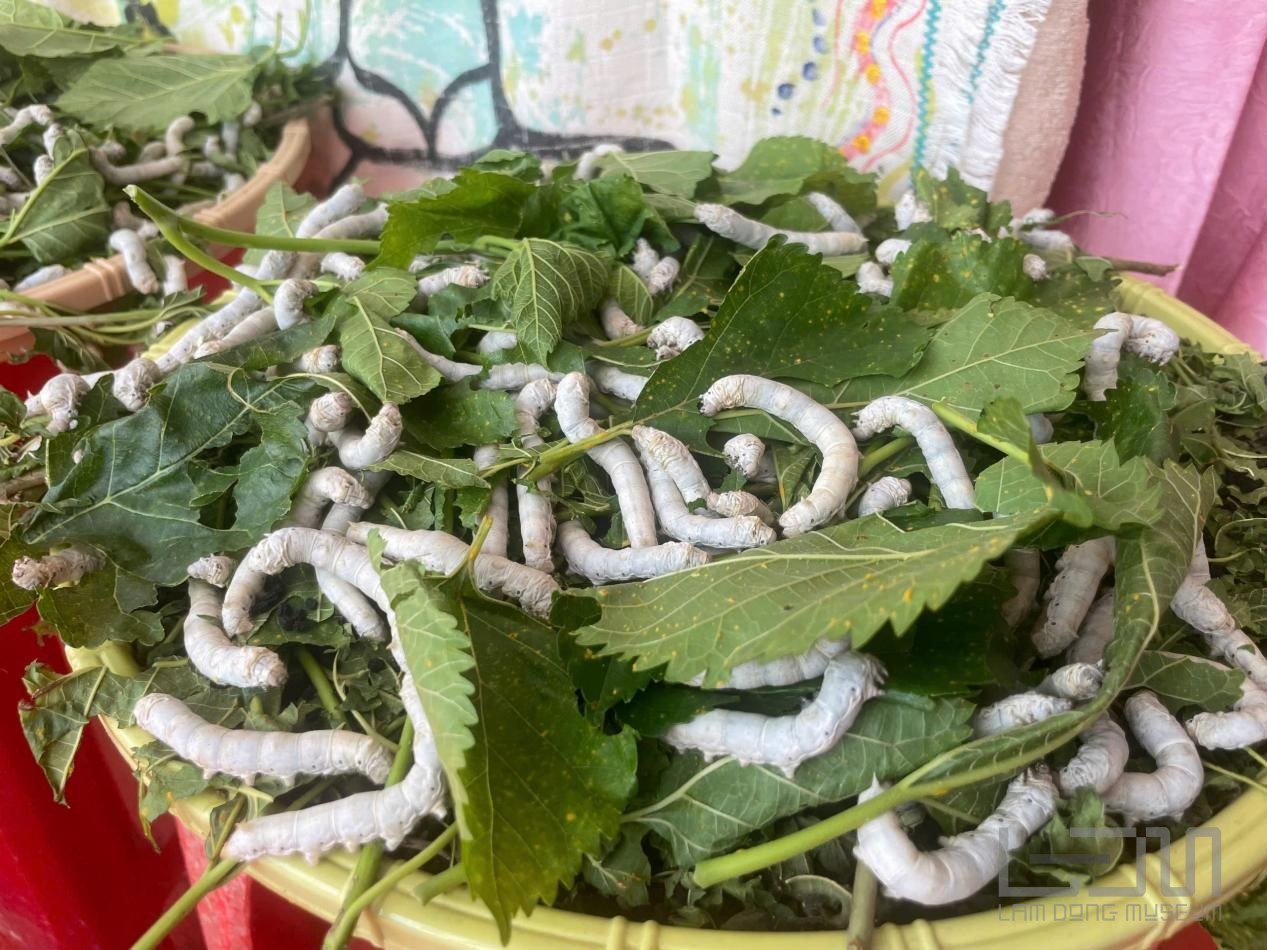
- Taking care of mulberries and raising silkworms: Mulberry trees are carefully cared for to harvest fresh, clean leaves. Silkworms go through 4 molts (5 years old). At the stage of young silkworms (1 - 3 years old), mulberry leaves are sliced into pieces; In the "idle" stage (4 - 5 years old), silkworms consume a large amount of leaves before ripening.
- Releasing silk, creating cocoons: When the silkworm's body turns transparent, the farmer catches the silkworm on a "bamboo frame". Silkworms release a double stream of liquid (fibroin bound by sericin), curling themselves in a round yellow or white cocoon for 3 to 4 days.
- Breeding and spinning silk: After harvesting, the cocoons are dropped into a pot of hot water to soften the sericin glue. The worker draws single, thin silk threads like spider silk from 6 - 8 cocoon shells and combines them into a single raw silk thread (raw silk). The raw yarn continues through the spinning stageto increase durability.
- Weaving and finishing silk: The silk is put into the loom (from manual to Jacquard loom) to weave into raw fabric, then goes through a cooking process to remove all remaining glue to achieve a natural shine and softness before dyeing.
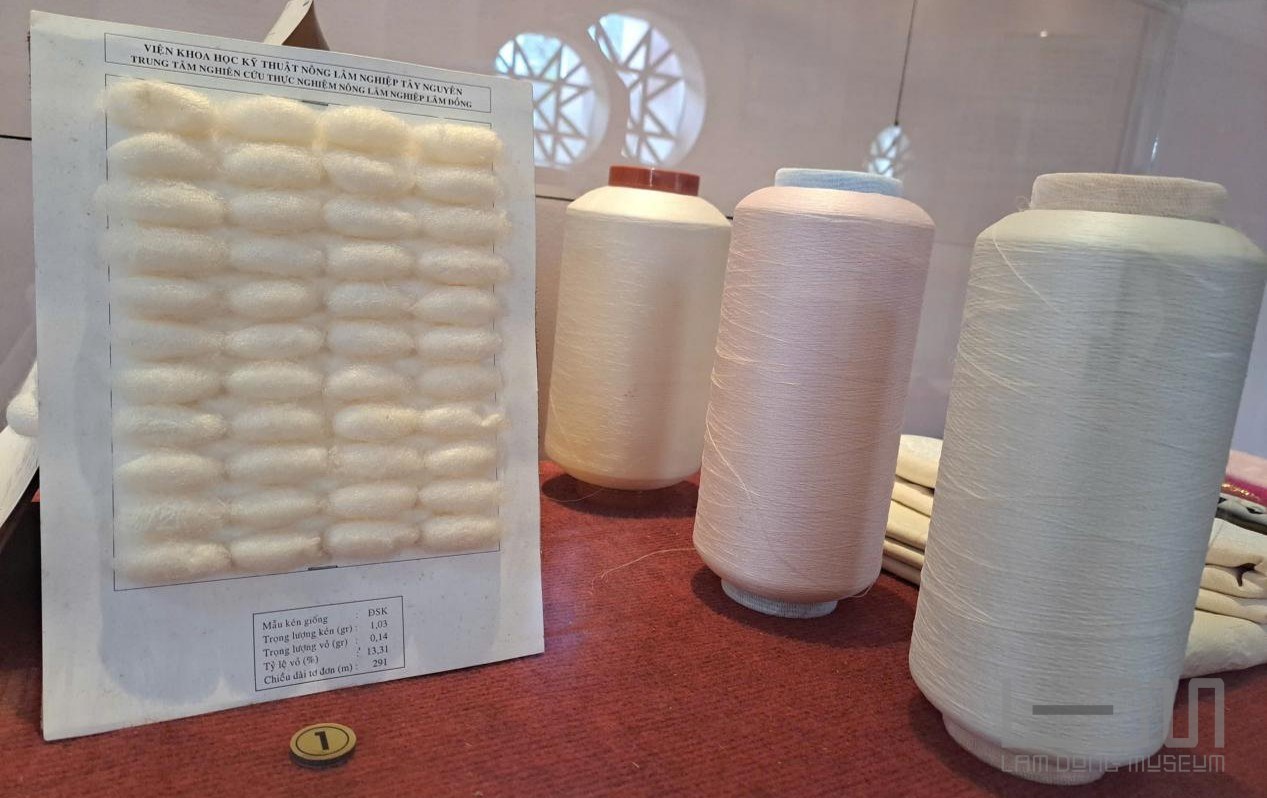
In the history of Lam Dong's mulberry industry development before the merger, Bao Loc held a prominent position with mulberry growing areas, silkworm rearing facilities, silk nurseries and silk production. There was a time when this place was known as a major silk center, attracting a team of experts, workers and specialized production facilities.
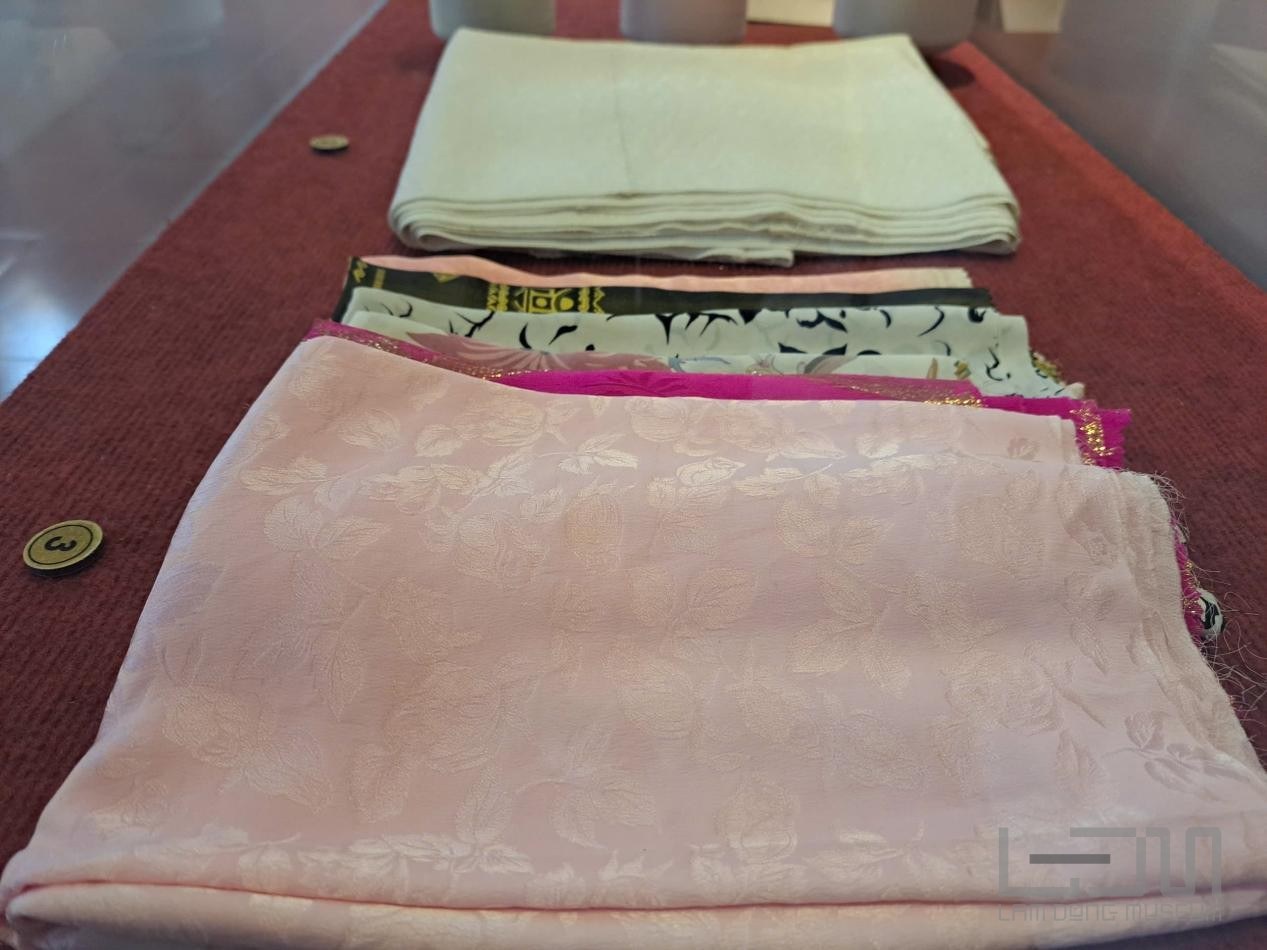
Going through many stages of development, Bao Loc silk products are increasingly diverse in types, from silk to silk fabrics for garments, high-end fashion and jewelry.interior decoration. A number of product lines are produced with high technical and aesthetic requirements, contributing to building the Bao Loc silk brand on the market. Local silk products have been consumed domestically and exported to many markets such as Japan, India, Korea, France, Thailand and some other countries.
After merging with the new Lam Dong province from July 1, 2025, places associated with the history of developing the mulberry industry such as Bao Loc continue to be an important part of the province's economic picture. According to the current administrative unit, the area of Bao Loc city was previously reorganized into wards, including ward 1 Bao Loc, ward 2 Bao Loc, ward 3 Bao Loc and ward B'Lao. Inheriting and promoting the value of the silk industry in this area contributes to preserving a typical production mark of the land.
From museum artifacts to the story of a traditional profession
At the Lam Dong Provincial Museum, artifacts such as silk cocoons, silk and silk products originating from Bao Loc are being introduced in the exhibition space, contributing to theStories about mulberry growing, silkworm rearing and silk production come closer to the public.
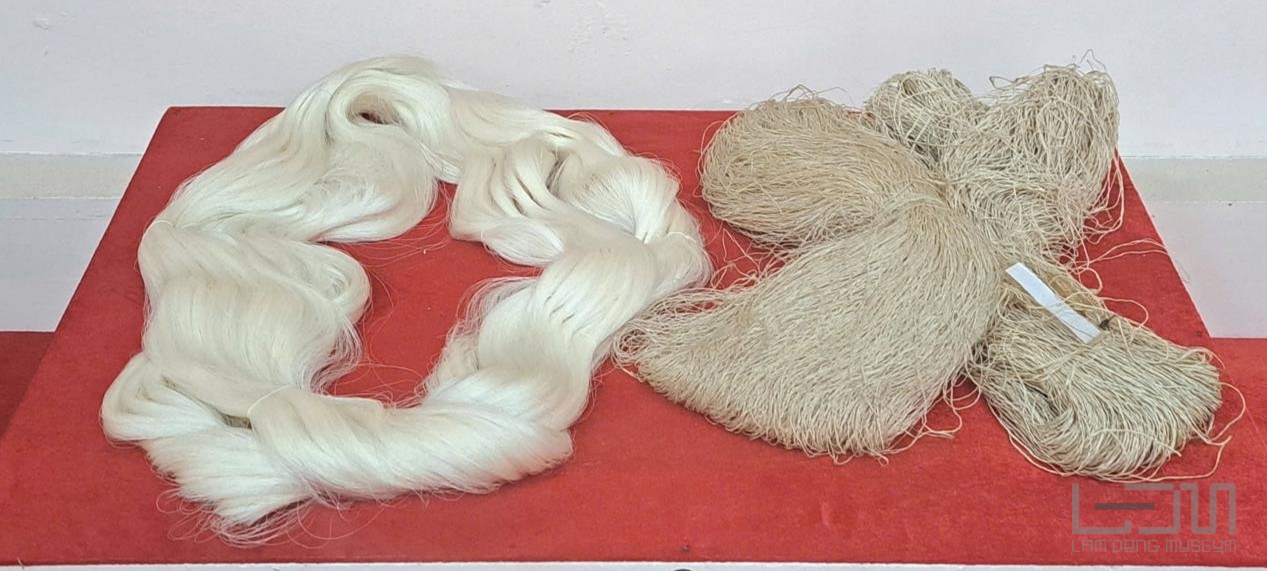
Each tiny cocoon is the result of meticulous care and part of the silkworm's life cycle; Each silky silk thread is the result of an elaborate spinning process; Each piece of silk is a combination of natural materials, production techniques and the skillful hands of the craftsman. Through the exhibits, visitors can better visualize the journey of transformation from natural raw materials into products with useful and aesthetic value.
Not only reflecting an agricultural production and processing activity, the mulberry industry also demonstrates the close relationship between people and natural conditions, labor experience and local development. Artifacts of mulberry growing, silkworm rearing, silk reeling, and silk weaving at the Lam Dong Provincial Museum contribute to preserving documents about a profession with a mark in Lam Dong's economic history, while helping today's generation better understand the value of labor and practice.The process of creating unique silk products of the homeland.
Thi Thao
REFERENCES:
1. Bao Loc silkworm profession gradually returns to its "golden age", Minh Hau, Agriculture and Environment Newspaper.
2. Positive movements in the development of the mulberry industry, Ngoc Nga, Lam Dong Newspaper.
3. Growing mulberries and raising silkworms, once difficult, is now a profession that brings good income, good poverty reduction, clean agriculture in Lam Dong, Van Long, Dan Viet Newspaper.